
Is Venezuela Getting Ready for Post-Maduro Elections?
All of a sudden, opposition parties and some surprising figures are starting to behave as if presidential elections were on the horizon

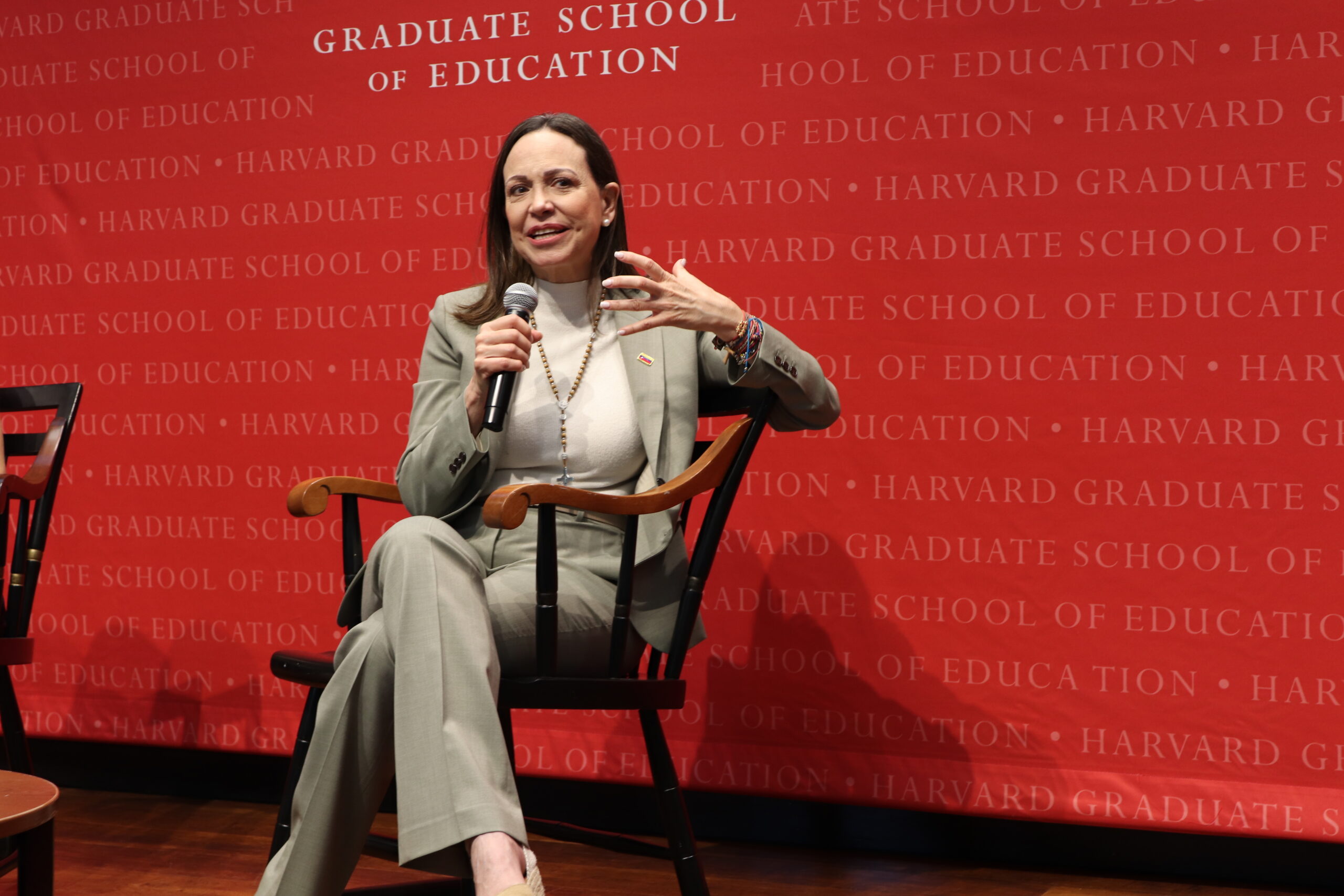
In Caracas, US military exercises (and Alex Saab’s extradition last weekend) remind the chavista elite who daddy is. Meanwhile, the Machado-led opposition coalition convened in Panama City for a key political strategy meeting focused on the months ahead.
The opposition will need Washington’s leverage to pressure the regime into accepting a renewal of the CNE—no small ask, given that a compliant electoral board has been a cornerstone of chavismo’s grip on power for decades. Complicating matters further is the question of how independent the reconstituted Supreme Court will be: eight justices are departing, and the total number of seats is reverting from 20 to 32.
A transition that starts with the legislative elections before presidential elections is both good news and bad news, and for both the opposition and for chavismo. For the opposition, it would mean a slower transition, but having the presidential election first also brings risks: the newly elected president would have to govern at least for a few months with an hostile chavista parliament with a large enough majority to block and sabotage their reform attempts, remove and appoint Supreme Tribunal justices, and even change the constitution.
For chavismo, holding the presidential election later extends their hold on power, but once they give up Miraflores, they won’t have the comfort of still controlling any branch of power to protect themselves from the opposition’s revenge.
Sign up to receive the PRR in your inbox every Friday.
All of a sudden, opposition parties and some surprising figures are starting to behave as if presidential elections were on the horizon
A string of Venezuela-related stuff delivered straight to your inbox.
She moderated her tone in the lead-up to July 28, but Machado is now engaging with the MAGA camp. How did she get here after 25 years?