While the world talks about progress, we look at the everyday reality of a malaria epidemic in Venezuela and how illegal mining and negligence made it the biggest public health emergency in the country.
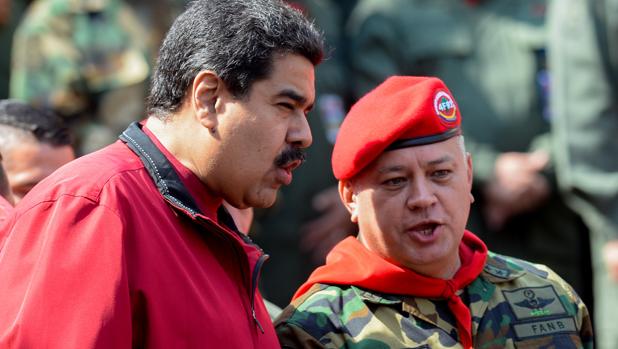
Most of the world acknowledges Venezuela as a dictatorship. But not enough people see chavista officials like the criminals they are. A post in America’s Quarterly says that in order to achieve a peaceful transition in the country, the international community must start dealing with Maduro and his allies like the the police deals with mobsters.
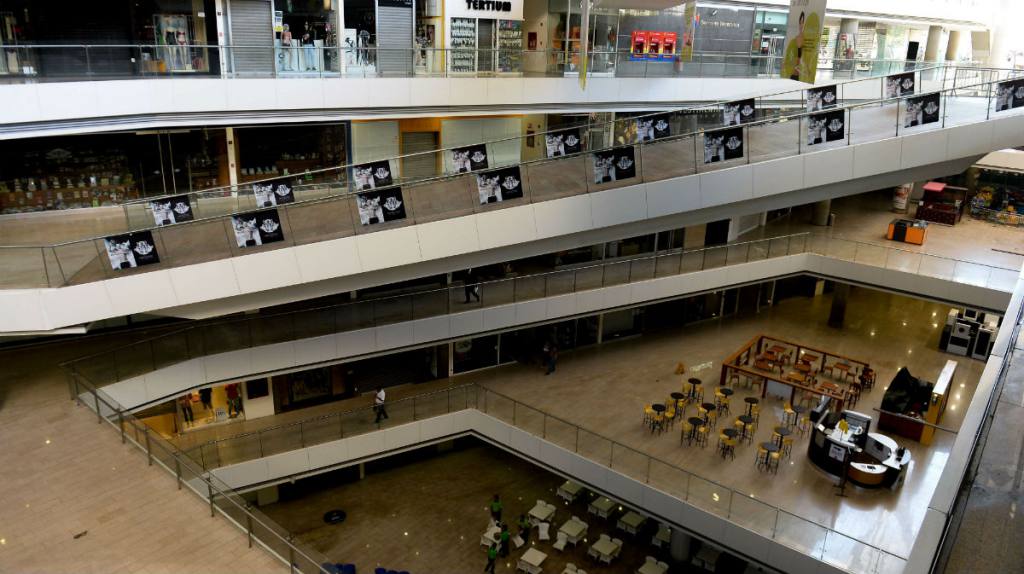
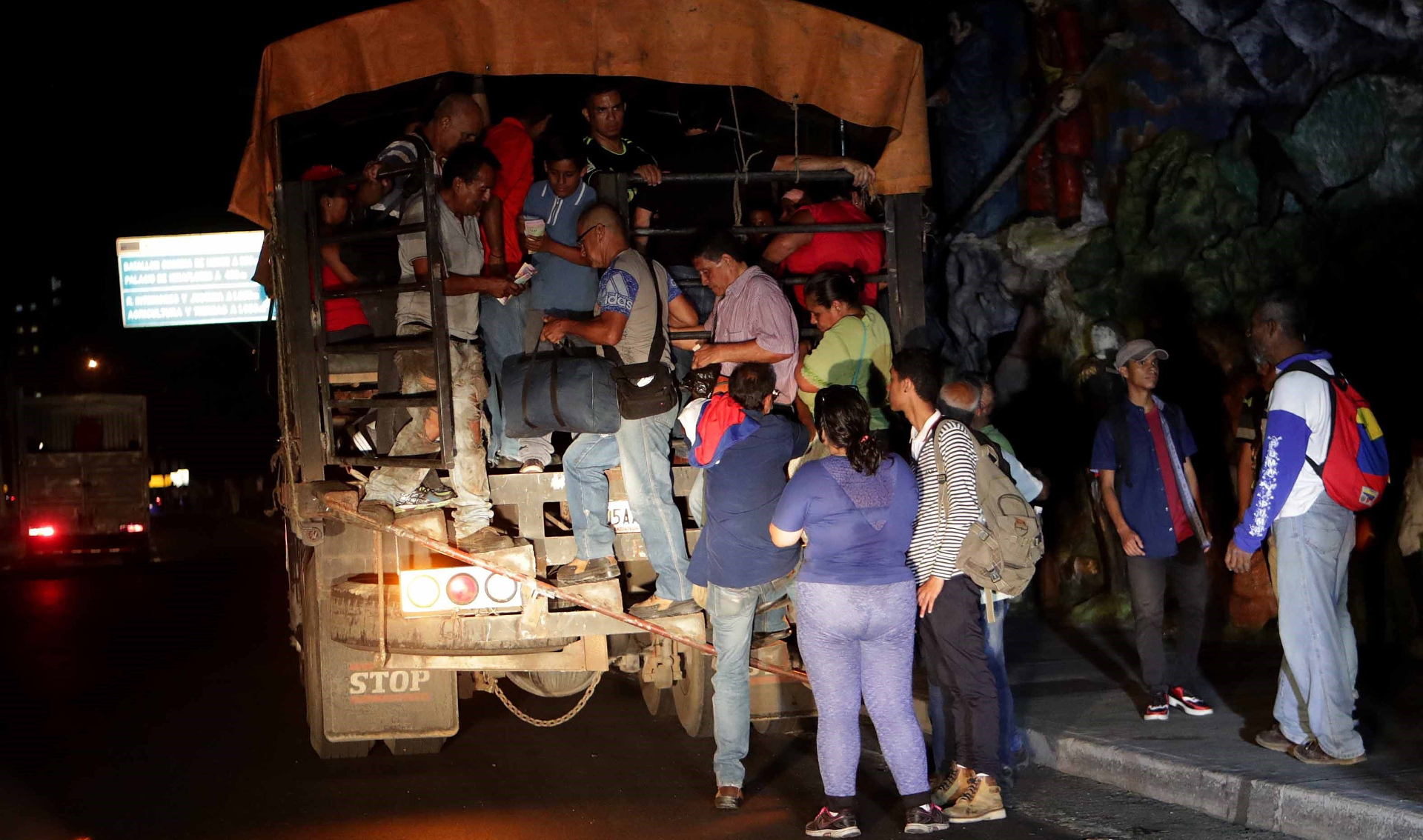
After a month of chaotic blackouts, and without any solution in sight, a once powerful industry is finding it increasingly hard to cope. From former industrial strongholds to rural towns and crop fields, businessmen do their best to survive, but the consequences are impossible to hide.
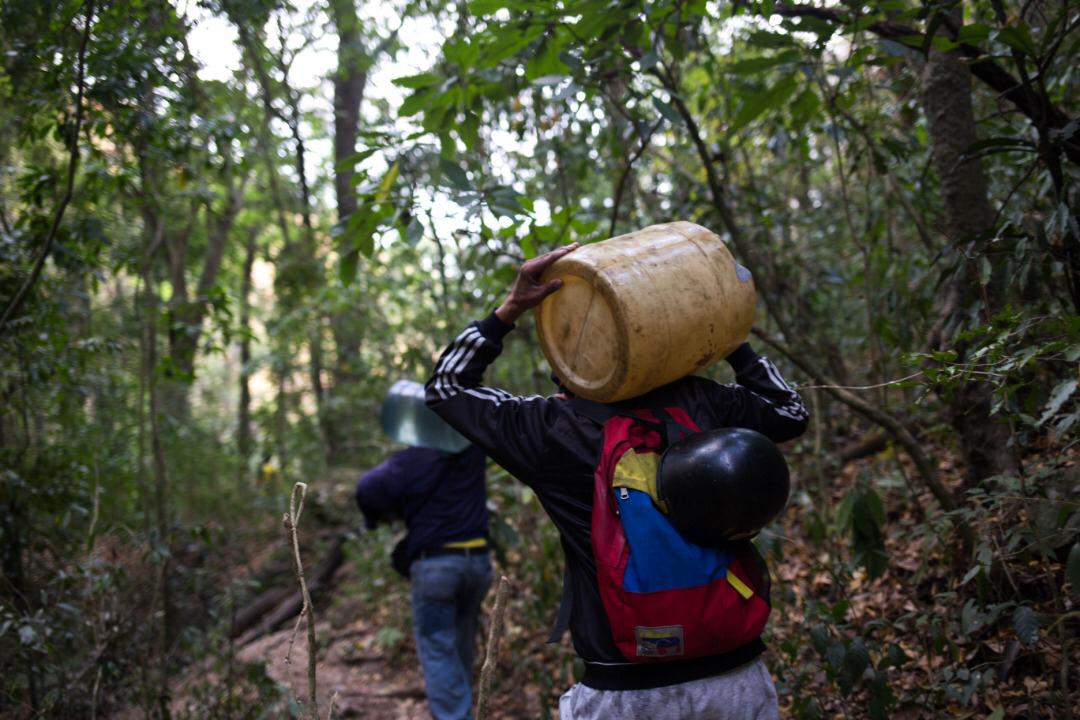
The electric crisis has turned the massive infrastructure that Caracas needs to pump water, utterly useless. After a month without water through the pipes, the consequences of this man-made drought may soon outweigh those of blackouts themselves.
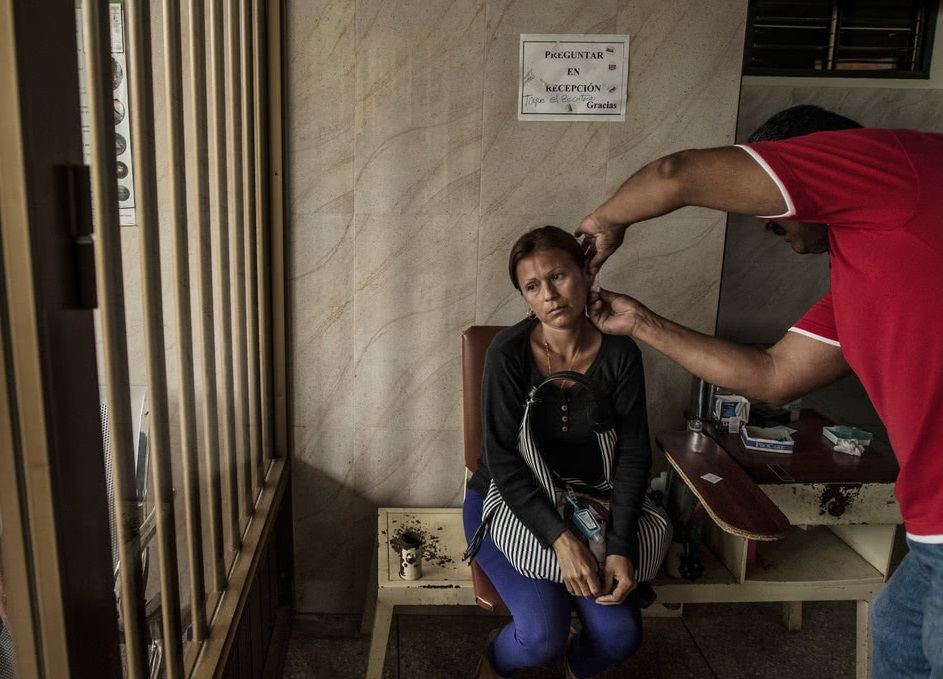
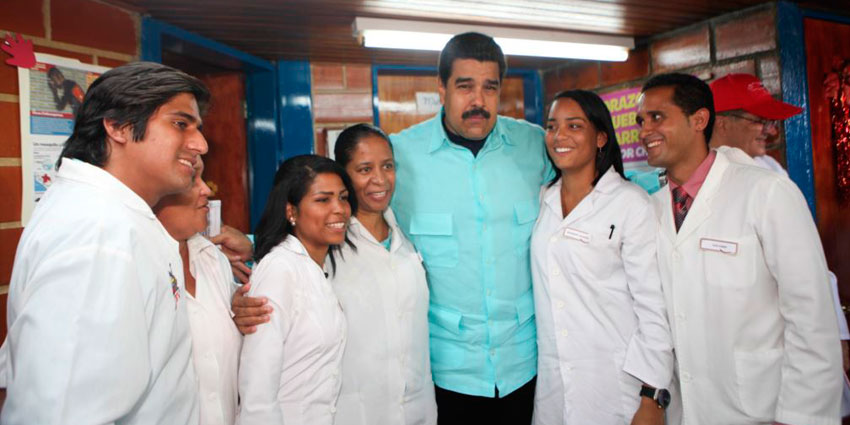
After leaving Venezuela, a group of Cuban doctors from the Barrio Adentro program told the New York Times how they were instructed to use healthcare—or rather its collapse—as a political weapon to coerce people into voting for Venezuela’s socialist leaders.
Dorothy Kronich suggests in The New York Times that in order to avoid a famine here, American companies should be allowed to buy Venezuelan oil, as long as the revenues are exclusively used for buying food and medicines. But that would be ignoring chavismo’s very nature.
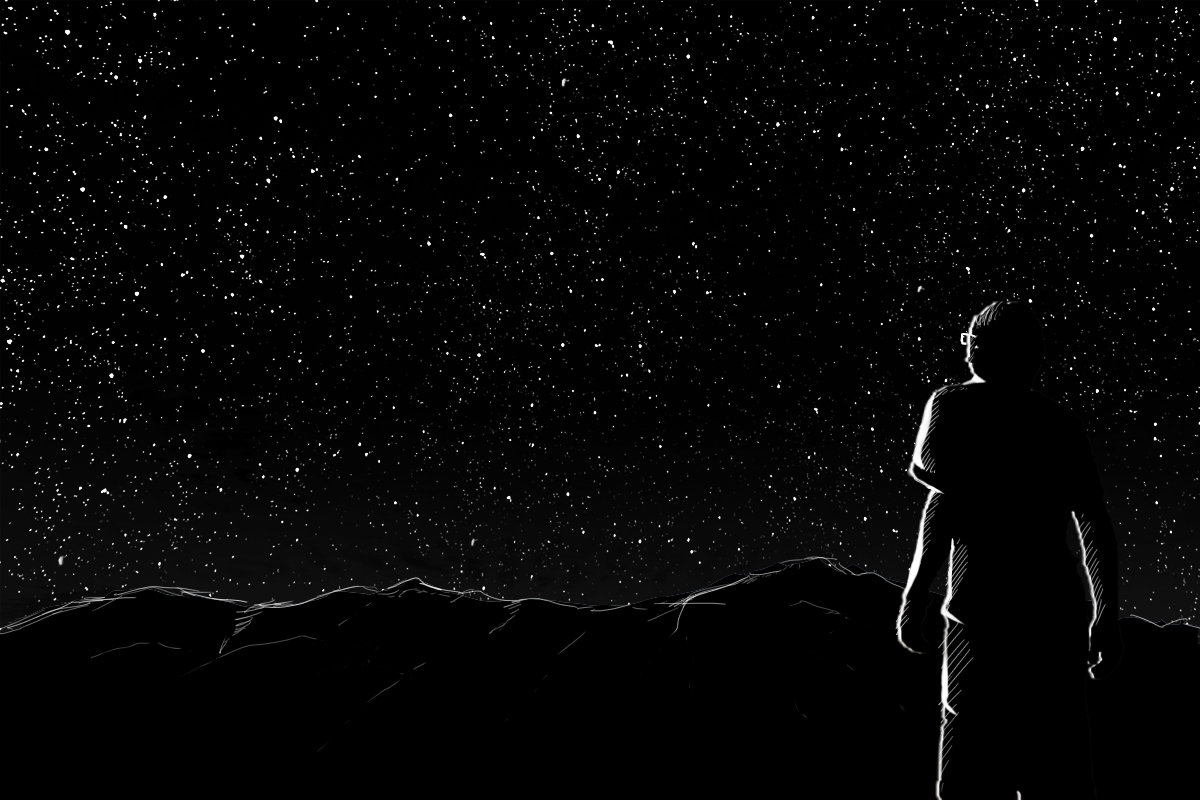
Army soldiers who want to help and think people have the right to be angry. Truman Capote’s masterpiece. A sky exposing its wonders in the absence of urban lights. Some strange and unforgettable things happen in this Merida tale of the nationwide blackout.
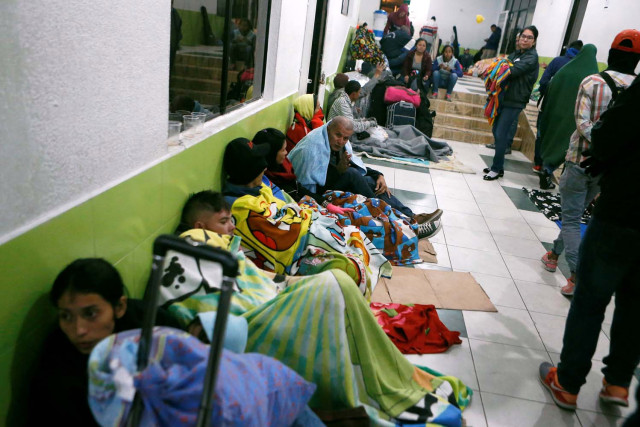
A piece on the medical journal Lancet explains how the collapse of our health system allowed the resurgence of diseases that migrants can spread. Another source of pressure on the international community to solve the Venezuelan crisis.
After three weeks that felt like a year, the Venezuelan transition process feels a bit stagnated. An article in Bloomberg reminds us that the usurpation is far from over, and that many things could still go wrong. But there are also reasons to not freak out (that much) about it.
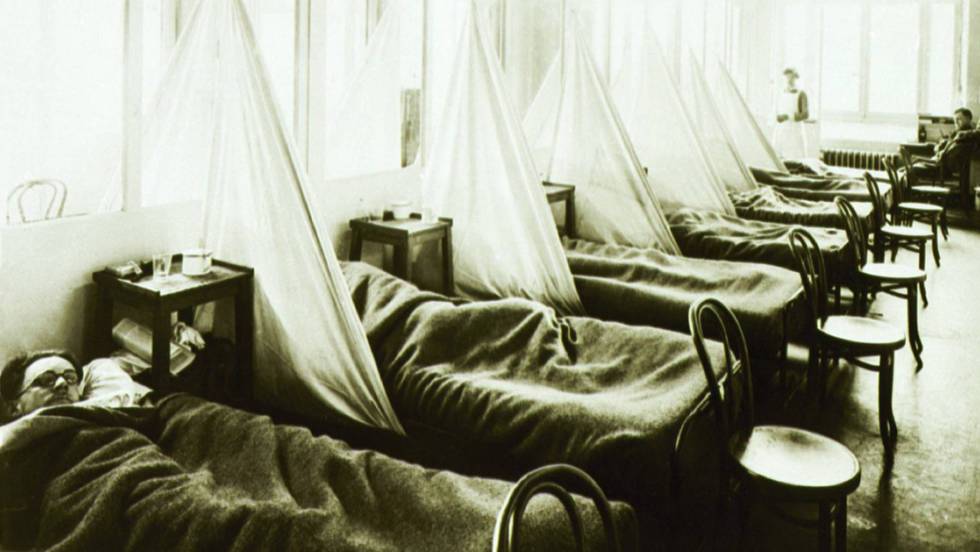
In 1918 this influenza pandemic wiped out the world. In Venezuela, it found a vulnerable country with irresponsible leaders, that hid away until the disease mysteriously faded out in early 1919. A hundred years have passed, but the country hasn’t changed that much.
We’ve been able to hang on for 22 years in one of the craziest media landscapes in the world. We’ve seen different media outlets in Venezuela (and abroad) closing shop, something we’re looking to avoid at all costs. Your collaboration goes a long way in helping us weather the storm.