
An Amnesty Plan Worth Skepticism
Chavismo would dismantle its main weapons by releasing all political prisoners and shutting down the sites where they're held. Let's see how that goes
Following Venezuela these days involves not knowing what to conclude. The optimism and the joy seem to coexist with the cruelty and the tragedy.
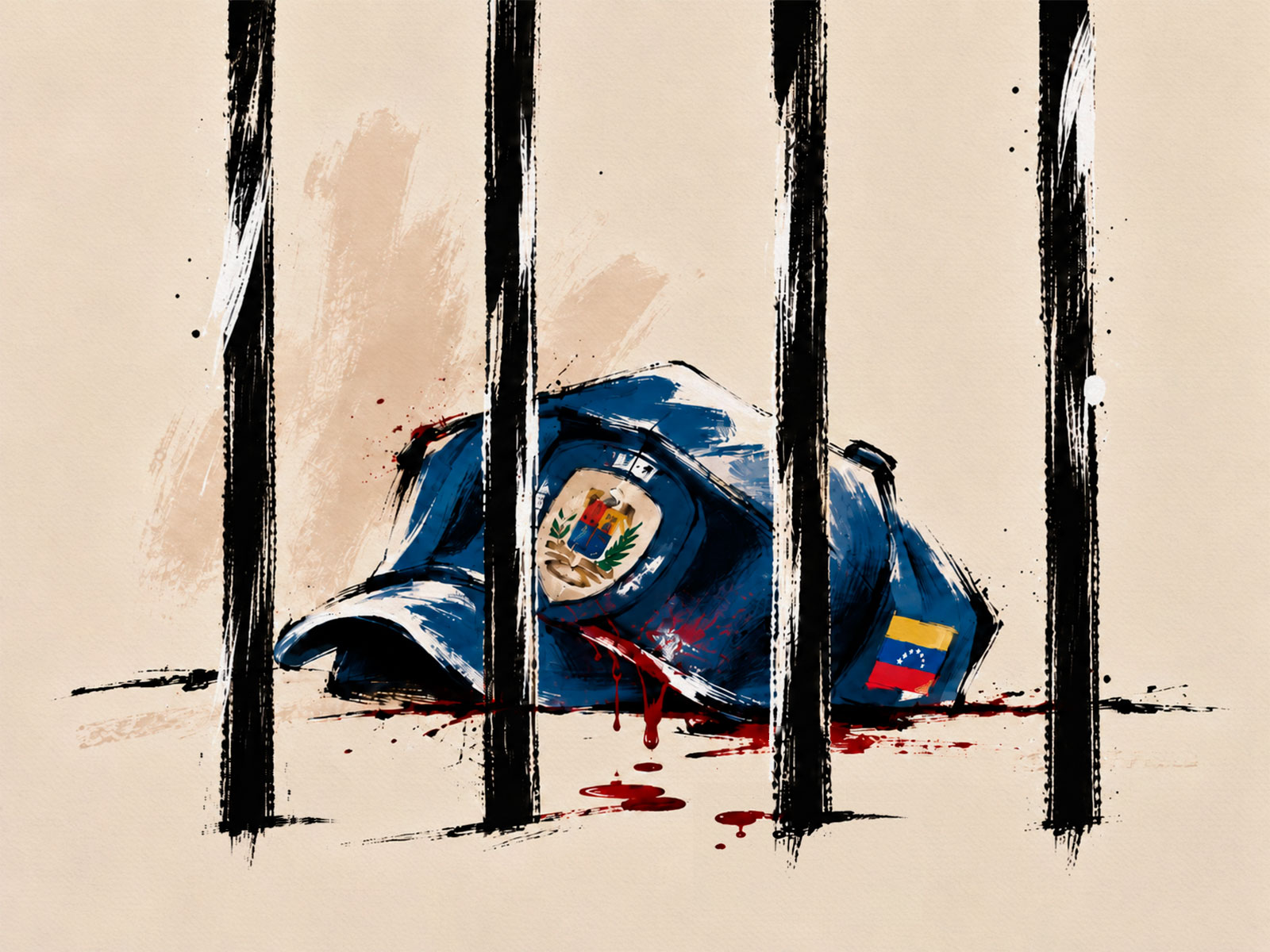
Nothing highlights this more than the release of Oscar Castañeda from El Helicoide over the weekend. Castañeda had been arrested in 2024 after speaking at a rally in favor of María Corina Machado. He was falsely accused of drug trafficking and locked up in this notorious dungeon, sometimes described as the continent’s largest torture center.
The video of Castañeda’s release is heartbreaking. He is seen being received by relatives whom he can barely recognize. He struggles to walk. He looks disoriented and traumatized. Social media clips contrast with a video of him during the 2024 campaign, when he was a vibrant young man demanding his country’s return to democracy.
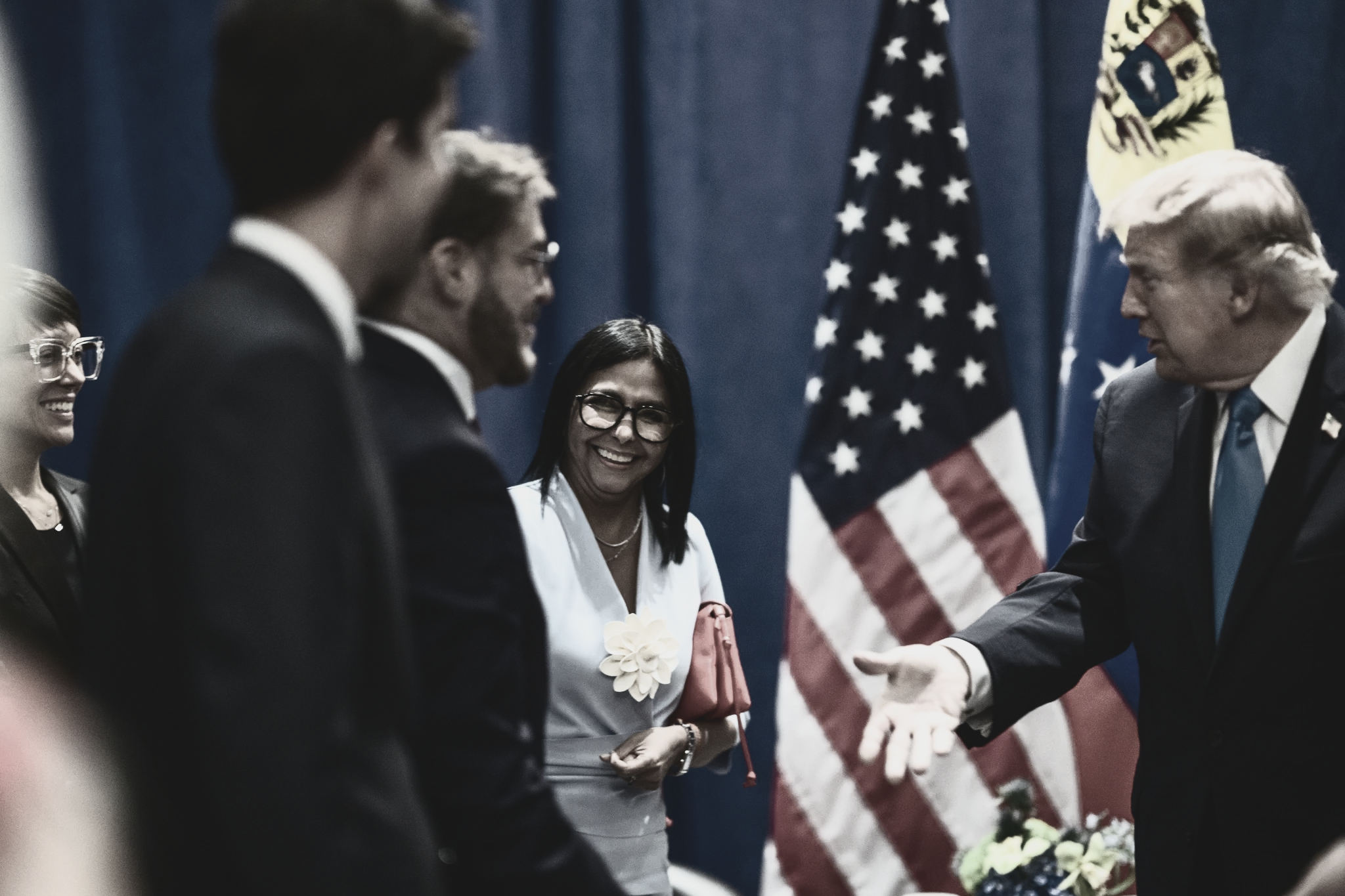
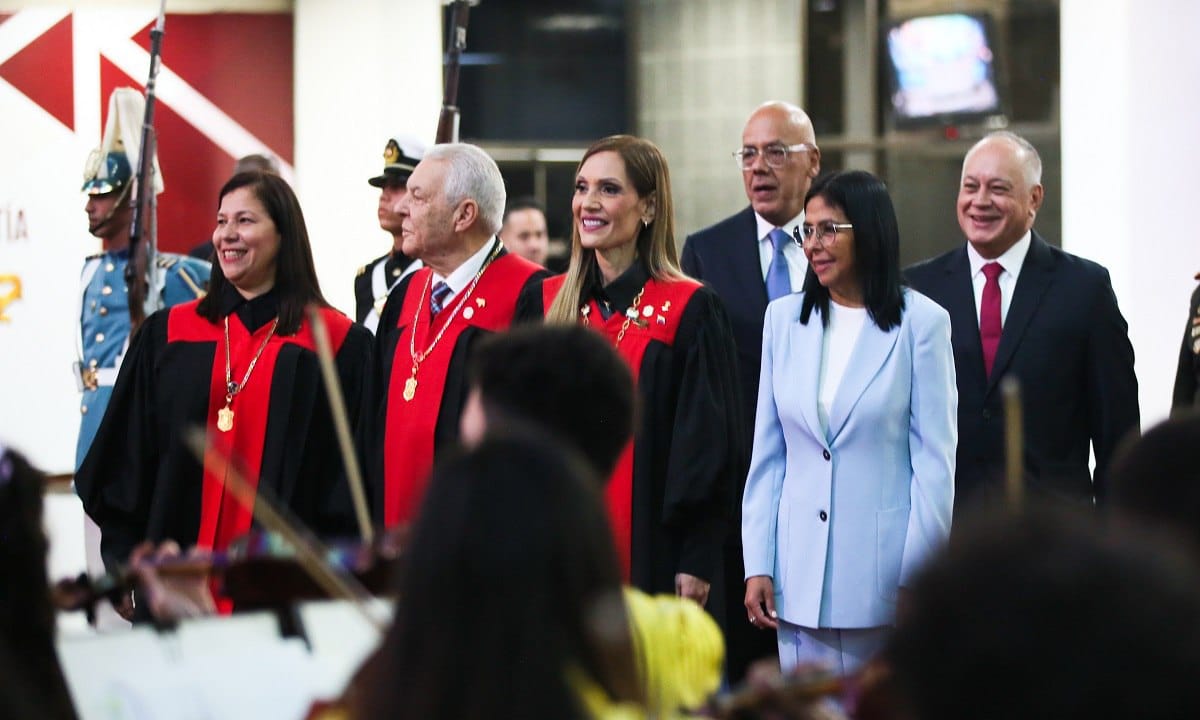
This comes just days after Delcy Rodríguez announced that El Helicoide will soon be closed and that lawmakers will draft an amnesty bill to release political prisoners jailed over these decades. The details and the timeline for both remain unclear. Interior minister and security boss Diosdado Cabello will be in charge of converting it into a community center and sports complex, which should draw some warranted skepticism. The amnesty process will also likely be slow-walked through the legislature. But both are exactly the measures that are needed for a national reconciliation and for the full and complete release of all unjustly detained political prisoners. It marks at least the beginning of the end of chavismo’s odious tradition of hostage politics.
It’s hard to know what to conclude from this. Seeing the results of the systematic torture and its indiscriminate application as a policy of state can only leave a person indignant and outraged. The clear move toward ending this barbaric system—even with the associated doubts and caveats—is a remarkable change.It fits with the ambiguity of everything since January 3. The removal of the dictator followed by the dismissal of democracy. The hopes of a better future combined with the reality of American tutelage. The dawn of liberation together with the impending onset of colonialism. This is what Venezuela is living today.
Caracas Chronicles is 100% reader-supported.
We’ve been able to hang on for 22 years in one of the craziest media landscapes in the world. We’ve seen different media outlets in Venezuela (and abroad) closing shop, something we’re looking to avoid at all costs. Your collaboration goes a long way in helping us weather the storm.
Donate