
How Medical Neglect Killed Alfredo Díaz in a Venezuelan Cell
The State deprived a former governor of medical care despite clear warning signs
This is the first installment of a series by Luis Carlos Díaz covering cases of torture, neglect, and cruel treatment against political prisoners, based on the latest report by the UN Fact-Finding Mission. Originally published in Runrunes.
To kick off this series, it is worth examining how the latest report by the UN Fact-Finding Mission (FFM) on Venezuela was constructed. Based on 213 confidential interviews with 121 victims, relatives, and witnesses, as well as forensic data and judicial documents, the report matches the rigorous evidentiary threshold of “reasonable grounds to believe.”
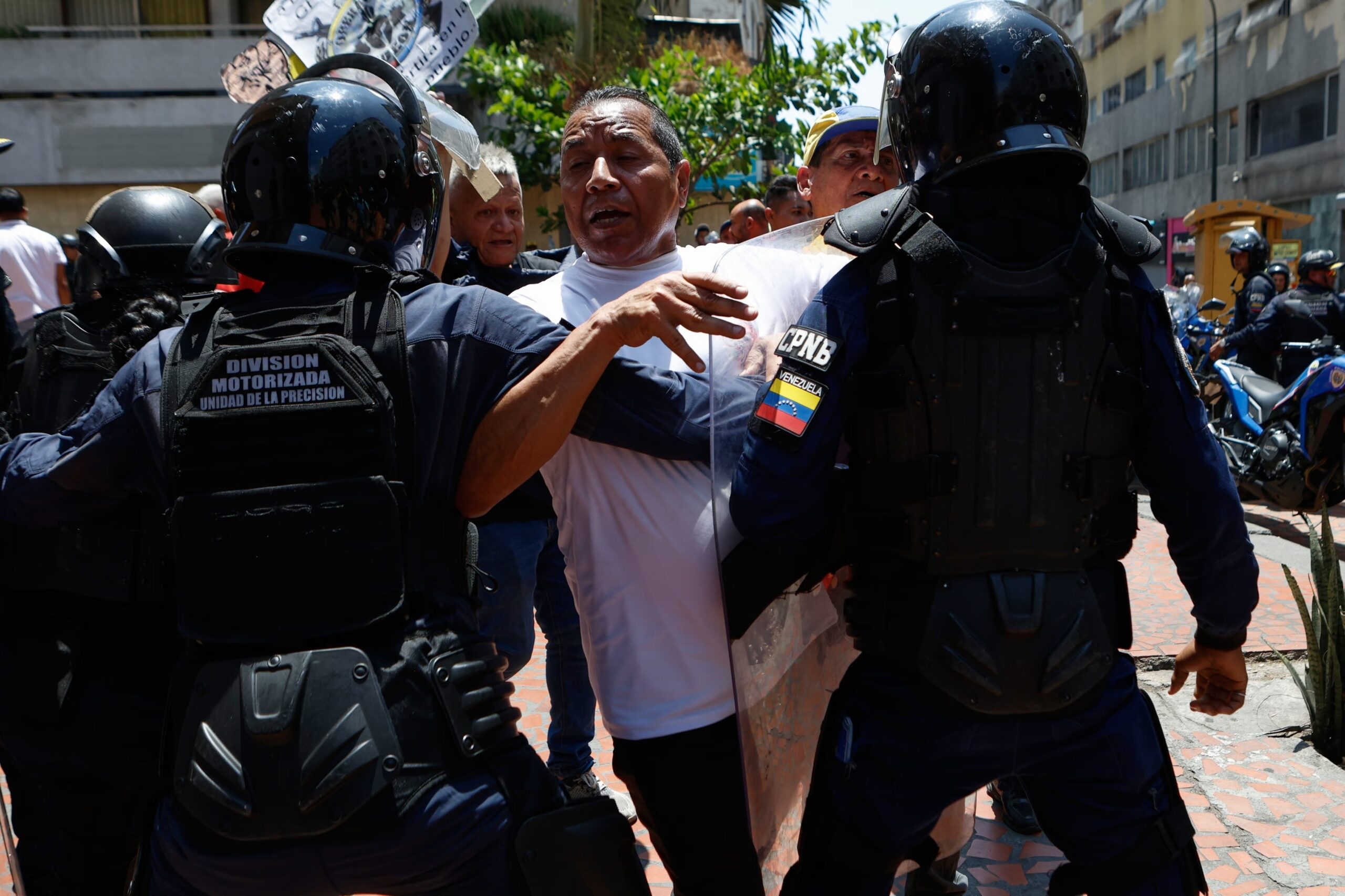
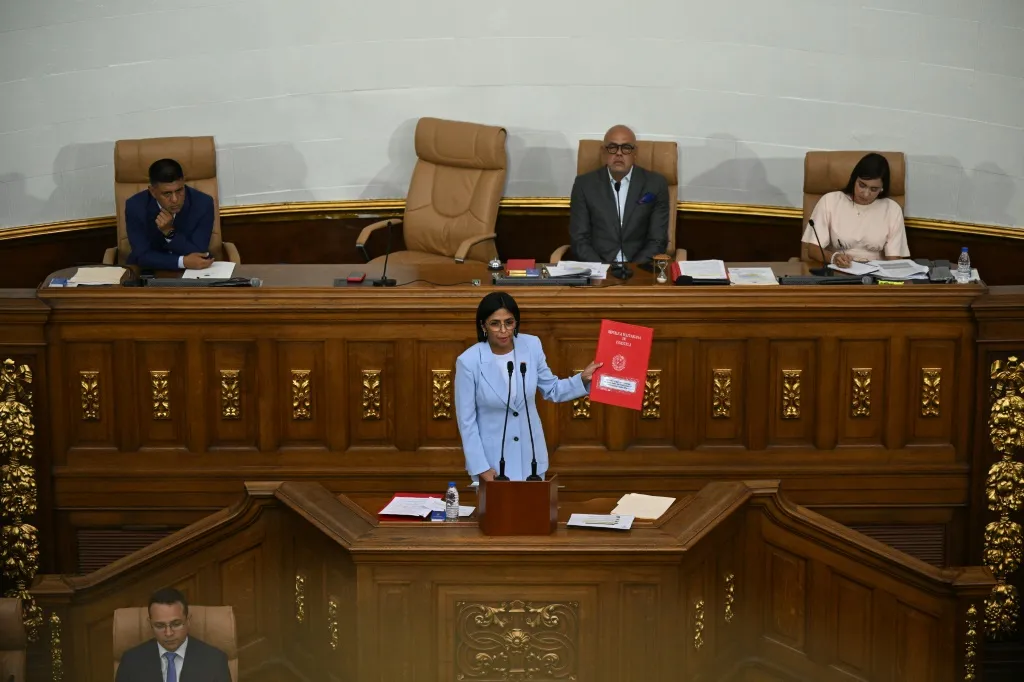
Despite the Venezuelan State’s complete refusal to cooperate, the FFM’s technical findings expose a crucial reality. Following the US military intervention on January 3 and the capture of Nicolás Maduro, interim president Delcy Rodríguez announced cabinet reshuffles, released hundreds of prisoners, and oversaw a decline in long-term detentions. However, the UN found that at least 18 high-ranking officials previously implicated in human rights violations and crimes against humanity remain in key positions of power or military command, including Diosdado Cabello, Gustavo González López, Alexander Granko Arteaga, and Vladimir Padrino López. The core architecture of State repression remains fully intact, providing the structural context for the individual cases documented in this series.
Before delving into the case of Alfredo Díaz, I want to address a question that often lingers when we discuss the so-called UN reports: What is all this work actually for? What happens to a report like this once it is published?
The Independent International Fact-Finding Mission was not created on a whim, nor was it meant to issue a general diagnosis and stop there. It was established by the Human Rights Council under Resolution 42/25 in 2019, with a specific mandate: to document the most serious crimes committed in the country to combat impunity, ensure accountability for those responsible, and secure justice for victims. This carries practical consequences, even if they are not immediate. The Mission is an investigative body, one of only seven active mechanisms of its kind worldwide. That alone underscores how extraordinary our situation is, and how resilient civil society has been in organizing to secure its renewal on four separate occasions. Last week, countries in the Human Rights Council voted to extend its mandate for two additional years.
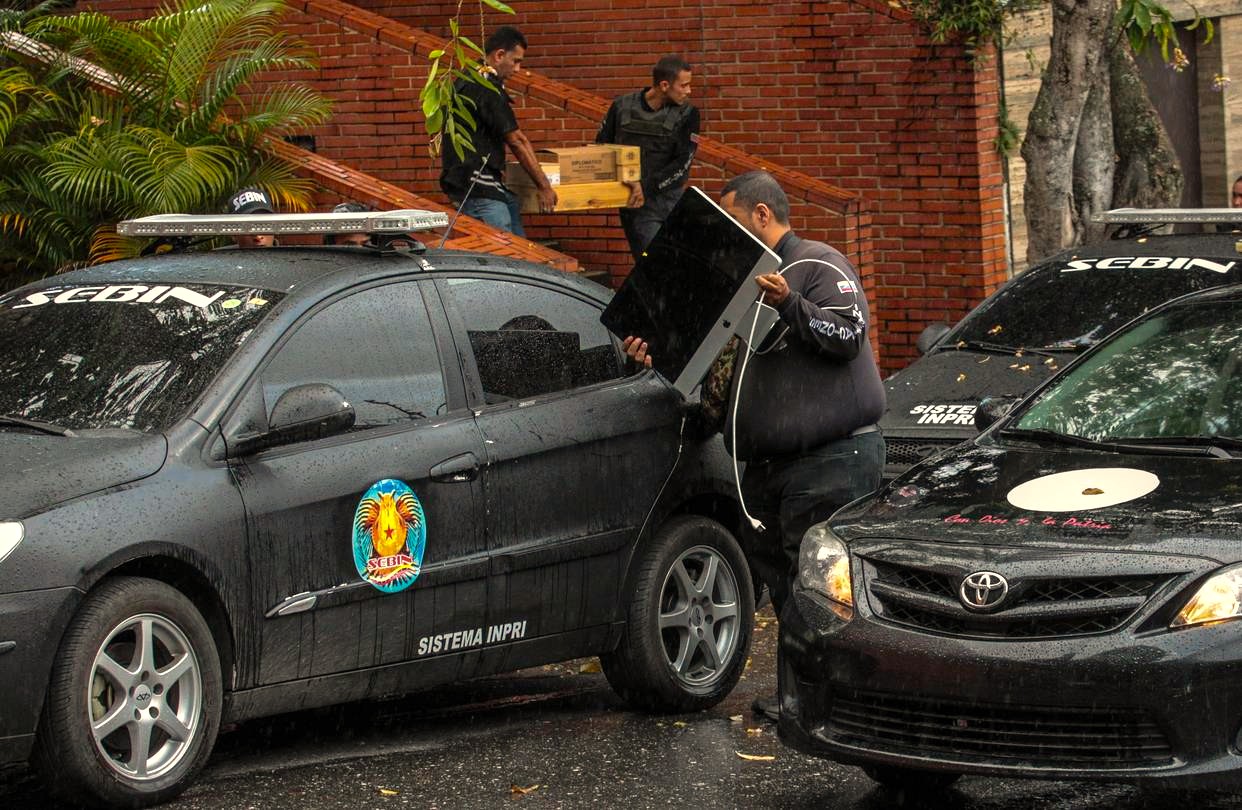
In the middle of the post-electoral crackdown, SEBIN officers arrested Alfredito Díaz on November 24, 2024. His family was completely unaware of his whereabouts for four days.
Whenever the Mission concludes there are “reasonable grounds to believe” that an individual participated in a human rights violation, that finding is preserved in secure databases with case files, testimonies, and evidence. This material is not lost, even if no Venezuelan court is willing to use it today.
This documentation has already had real effects outside Venezuela. The report notes, for instance, that a federal court in Argentina issued an extradition request in June 2026 against a Spain-based former Venezuelan military officer linked to the 2014 repression. The court relied on the principle of universal jurisdiction—the legal framework allowing a country to prosecute grave international crimes committed elsewhere when justice is denied in the country of origin. That officer had been named in the 2025 special report on the Bolivarian National Guard.
Furthermore, although Venezuela formally denounced the Rome Statute in July of this year in an attempt to block cooperation with the International Criminal Court, the Mission’s report clarifies a crucial point: a withdrawal from the ICC does not erase or halt ongoing investigations by the tribunal in The Hague for events that occurred while the Statute was still in force for the country. In other words, these reports have allowed us to build, fact by fact, the evidentiary record that may one day support a criminal indictment inside or outside Venezuela. This is why more victims and witnesses should be encouraged to share their stories with the Mission.
With that purpose in mind, reading the case of Alfredo Díaz Figueroa is well worth the effort.
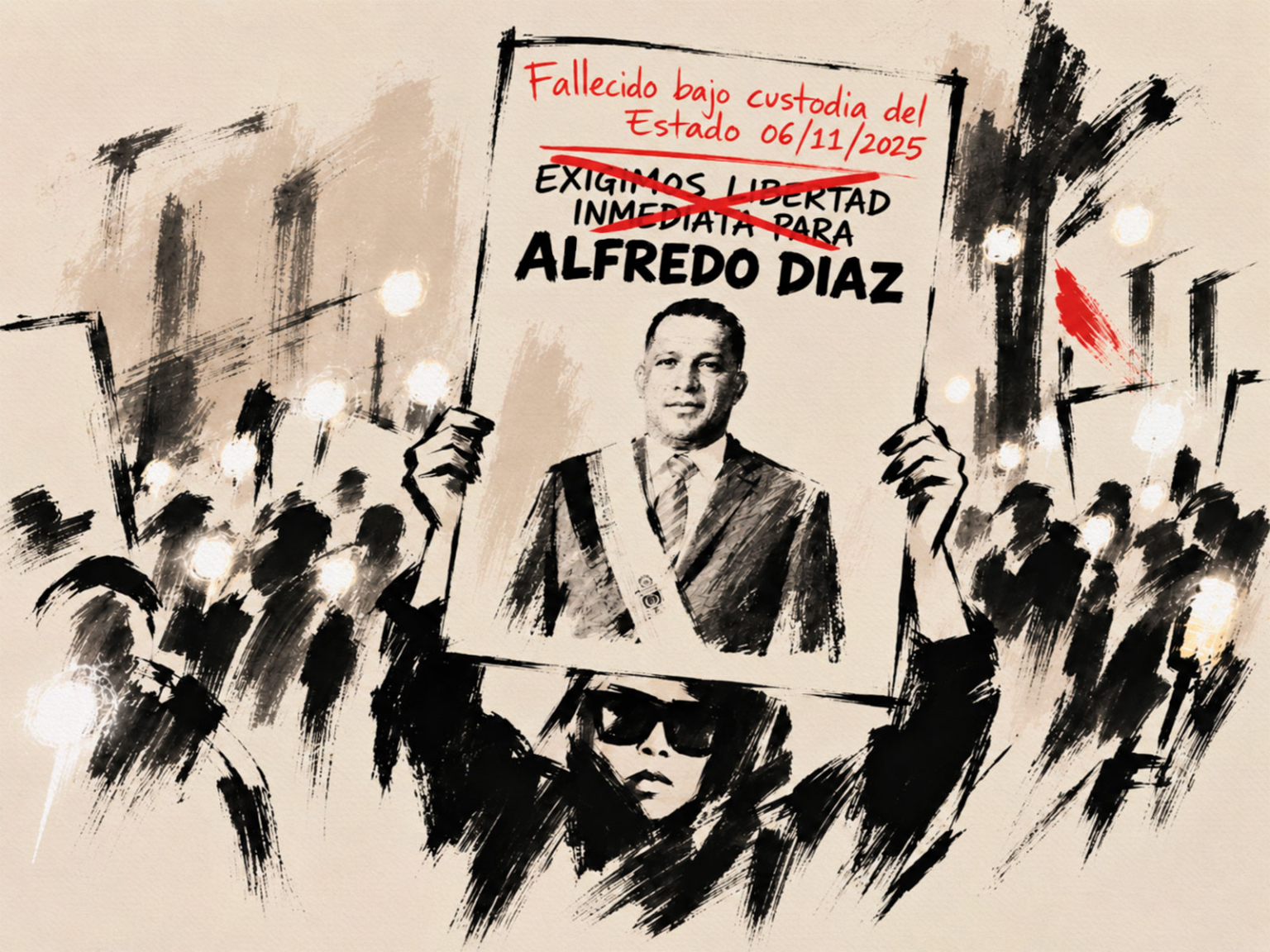
Alfredito Díaz was a former governor of Nueva Esparta and a regional leader of the Acción Democrática party. SEBIN officers arrested him on November 24, 2024, in Ospino, Portuguesa state, leaving his family completely unaware of his whereabouts for four days. This marked the start of multiple due process violations, including incommunicado detention and enforced disappearance. Charged with “incitement to hatred” and “terrorism,” he spent the remainder of his detention unable to appoint defense counsel of his choice or access his own case file.
Witnesses who shared a cell with him reported that he suffered at least two severe medical episodes. But no specialist ever evaluated Díaz, despite repeated pleas from his family and inmates.
What makes this case particularly grave, according to the Mission, is not only the arbitrary detention (a serious crime in itself) but what happened to his health. Prior to his arrest, Díaz had a history of serious medical conditions, including seizures, an anxiety disorder with paranoid traits, and depression. A medical report from that year included pending orders for pharmacological treatment, a CT scan, and a neurological evaluation. Due to political persecution, he was unable to maintain his medical care.
Once imprisoned, witnesses who shared a cell with him reported that he suffered at least two severe medical episodes. One occurred in October 2025, characterized by intense pain, muscle stiffness, and disorientation, which medical personnel at El Helicoide diagnosed merely as “indigestion” and a “stomach issue.” No specialist ever evaluated Díaz, despite repeated pleas from his family and fellow inmates documented by the Mission. This negligence also represents an extended punishment inflicted on both groups.
On December 6, 2025, at around 5:00 am, Díaz experienced the same symptoms again. His cellmates shared his agony and raised desperate alarms that were met with delayed responses. He was eventually transferred to the facility’s medical area, where resuscitation maneuvers were performed, but he died shortly after at the hospital. The official cause of death was listed as an acute myocardial infarction.
The pattern: individuals who entered alive with known medical conditions and left in a coffin.
The Mission is not asserting that he was beaten to death or that a direct order was issued to let him die. Instead, it points to something that is, in many ways, harder for state officials to evade: the sustained lack of specialized medical care, despite clear warning signs repeated over more than a year, was a contributing factor in his death. This constitutes an arbitrary deprivation of life attributable to the State, which inherits a strict obligation to protect the health and life of anyone taken into its custody.
This brings us to the key connection between this case and the core finding introduced at the start of this series. Díaz was not an isolated case. The Mission also documented the death in custody of Edison José Torres Fernández, a police officer with 24 years of service who was detained for criticizing the government, and whose body bore bruises unacknowledged in the official death certificate. These are distinct stories unfolding within the same detention system and reflecting the same underlying pattern: individuals who entered alive with known medical conditions and left in a coffin, with no one held accountable to date.
We will read each other in the next installment.
Caracas Chronicles is 100% reader-supported.
We’ve been able to hang on for 22 years in one of the craziest media landscapes in the world. We’ve seen different media outlets in Venezuela (and abroad) closing shop, something we’re looking to avoid at all costs. Your collaboration goes a long way in helping us weather the storm.
Donate