
How Venezuelan Internet Got a Breather
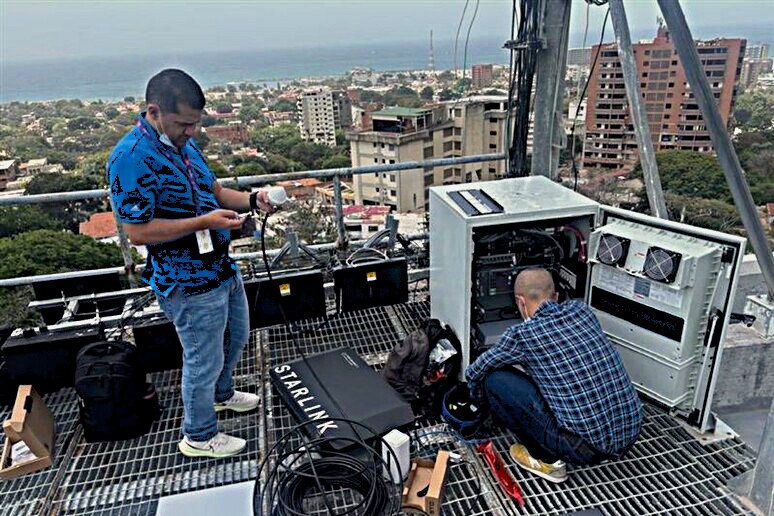
As happened in other areas, the State left it to the private sector to find solutions to overcome the conditions that collapsed connectivity back in 2019
In the early hours of January 29th, a malfunctioning electrical transformer caused a fire that damaged large amounts of fiber optic cables, leaving many parts of Barquisimeto without internet. As the local fire department did not show up, it was put out by Civil Protection officials with a borrowed extinguisher from an internet company crew.
Immediately, the area was filled with employees and vehicles of multiple private companies to start the laborious process of replacing all the damaged cables, working in coordination around the clock. After State-owned Corpoelec replaced the faulty transformer the following day, connections were quickly restored. However, it took them a few weeks to take all the remaining burned cables away from public view.
Why pay attention to this particular event, you might ask? Because beyond the mundane details lies the result of a massive change taking place across large swaths of Venezuela in recent years: the improvement of overall Internet access and velocity. And I can assure you about the difference as I covered this issue for years here at Caracas Chronicles.
Despite the Maduro government taking a victory lap about the growth of the telecom sector several months before the US raid of January 3rd, the timeline can show that the recovery of our Internet was despite the State’s efforts and not because of it.
First, for context, we have to go back to what can be considered the lowest point (and the last time I reported about it): the aftermath of the 2019 nationwide blackout and the beginning of the COVID-19 pandemic.
“Venezuela’s internet connection was considered the worst in the region and one of the worst in the world long before the COVID-19 pandemic appeared, making it harder for the sector to assume this situation. Bloomberg’s report, for example, highlights how “…fuel shortages are making the problem even worse. Mobile towers in Venezuela operate on diesel, while the closing of many gas stations makes it impossible for technicians to get out to fix failures at towers.”
Several months later, journalist Arnaldo Espinoza offered us a dispatch of something happening in Maracaibo: a private-sector-led gamble born out of desperation after years of terrible service, exacerbated by the dire electric crisis and helped by the dollarization.
The “bubble” started with antenna-driven wireless internet connections (WISP), before moving to using fiber optic cable to the home (FTTH) which was an easier and more affordable option to users. In short time, the improved speed of maracucho internet put the rest of the country’s overall connectivity (especially the one from CANTV) to shame.
The success of the Maracaibo experiment opened the doors of a huge renovation of our internet landscape: new companies started to offer similar services in other parts of the country, while major ISPs seized the chance to reintroduce themselves into the market, like Inter and NetUno. Another player who later entered into the online competition was SimpleTV (the successor to DirecTV) with its own SimpleFibra.
Even CANTV’s derided ABA service launched its new fiber-based Ultra option in order to catch up, and years later announced the renovation of its infrastructure by migrating from old copper wires to fiber optics, as part of the National Telecom Plan 2025-2031.
Discussion about the current state of the Venezuelan internet can’t be complete without addressing two major factors: first up, the current conditions of our electrical infrastructure, which happens to be very intertwined with its renewal and expansion.
By 2023, the average speed of internet in Venezuela was four times faster than in comparison with the pre-pandemic era, according to then Chairman of the Telecom Services Chamber (CASETEL) Pedro Marín, who pointed to “…a greater investment possible thanks to a lesser control of fare prices by authorities, allowing for capital injection and proliferation of domestic internet services”.
However, NGO VeSinFiltro indicated that “small improvements” only benefitted users who could afford it in larger populated areas and that Venezuela was still way behind in comparison with most of Latin America. At the time, the cost of a good Internet plan was equal to several minimum wages, forcing some into sharing the service with others or even cutting down spending on other necessities.
Companies also included their own streaming platforms with an array of options like recording, pausing and rewinding live programs and offering parental controls. Streaming has been the gamechanger in the way we enjoy movies, series and live sports events and now starting to phase out the old models of cable and satellite TV. We’ve come a long way from the days of the parabolic antennas that a few could afford.
Mobile internet has not been left behind. Early last year, CONATEL finally auctioned brand new allocations for frequencies in both 4G and 5G spectrums, won by large private carriers Digitel and Movistar. Both started delivering 5G services later in 2025.
Just like what happened in Maracaibo, the growing competition allowed for cheaper alternatives in the market but around the same time CONATEL decided to intervene.
But discussion about the current state of the Venezuelan internet can’t be complete without addressing two major factors: first up, the current conditions of our electrical infrastructure, which happens to be very intertwined with its renewal and expansion.
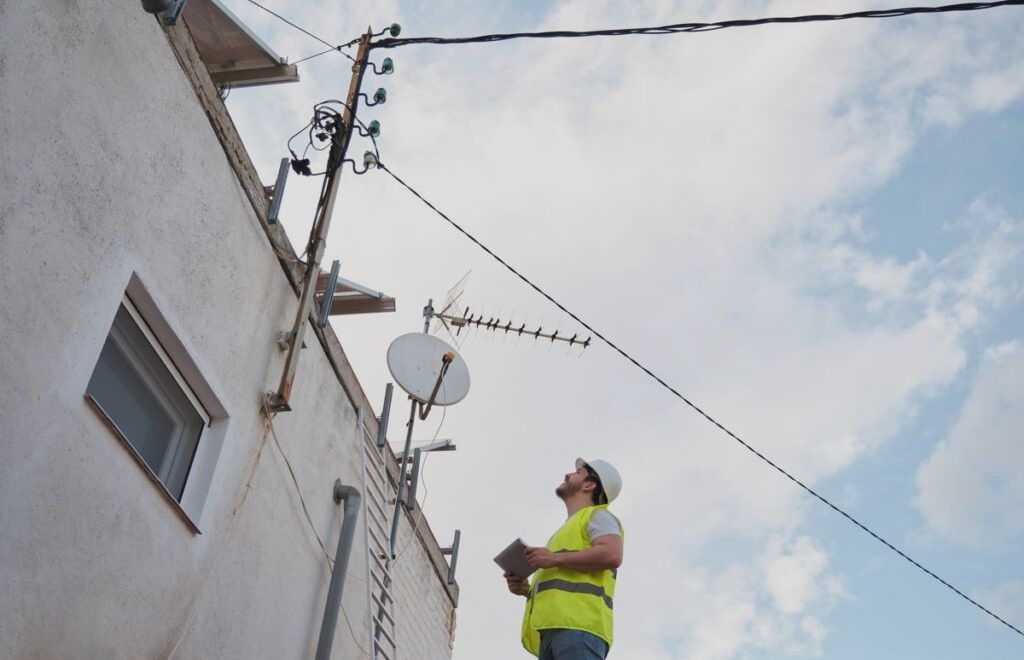
Something that has become normalized is the presence of fiber optic cables side by side with the electricity wires and reserve rolls in many poles. It made deployment easier but also left it vulnerable to bad weather conditions and/or faulty equipment.
There are visible signals that things have improved when it comes to the Internet in Venezuela but cannot be taken as definitive proof that the problem has been fully solved.
Outages and brownouts not only have continued but have worsened recently. And in extreme cases like the nationwide blackout of August 30th 2024, connectivity can be compromised. But there’s at least a promise of future investments to fix our powergrid.
The second factor is the active role of the State in controlling what can be accessed online. After the 2024 presidential election, the digital crackdown entered a harsher stage as multiple reports from many NGOs (from established human rights organizations to more specialized digital monitors) have put it on record. This extended to blocking websites, VPNs and even social media networks like TikTok and X (formally known as Twitter).After recent events, there are small signs that the pressure could be dialed down a bit: in mid-February, around the time when the quickly-approved amnesty law was announced, an official decree dissolved the entity known as CESSPA, created in 2013 to control public information. Still, local groups like VeSinFiltro have called for more actions to protect free speech online, safeguard privacy and ban massive surveillance.
In comparison to previous years, there are visible signals that things have improved when it comes to the Internet in Venezuela but cannot be taken as definitive proof that the problem has been fully solved.
There are still plenty of challenges down the road as Juan Andrés Krumin (the new Chairman of CASETEL since late last year) said in a recent radio interview, like the widening exchange rate gap and the freezing of any price adjustments in the last six months. “We need access to currency to pay providers and the international internet capacity, which is made in dollars.”
But he also offered a silver lining: the focus of companies now is to expand into what he called “the dark areas in the country’s interior…” which have been historically neglected when it comes to connectivity.
Caracas Chronicles is 100% reader-supported.
We’ve been able to hang on for 22 years in one of the craziest media landscapes in the world. We’ve seen different media outlets in Venezuela (and abroad) closing shop, something we’re looking to avoid at all costs. Your collaboration goes a long way in helping us weather the storm.
Donate