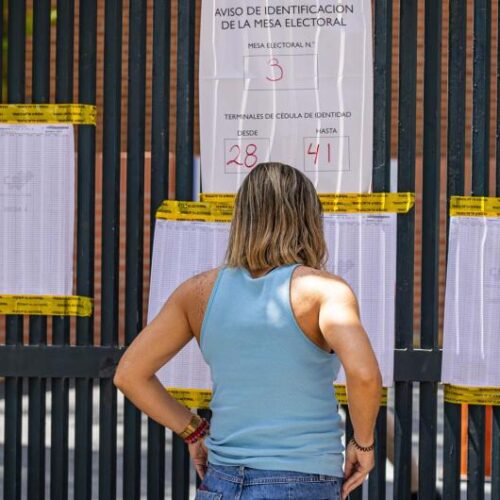

Venezuelans Should Be Talking About Elections Right Now
Under the Constitution, the country should be preparing for a presidential election within 30 days. Maduro’s absence has surpassed the binding 90-day threshold
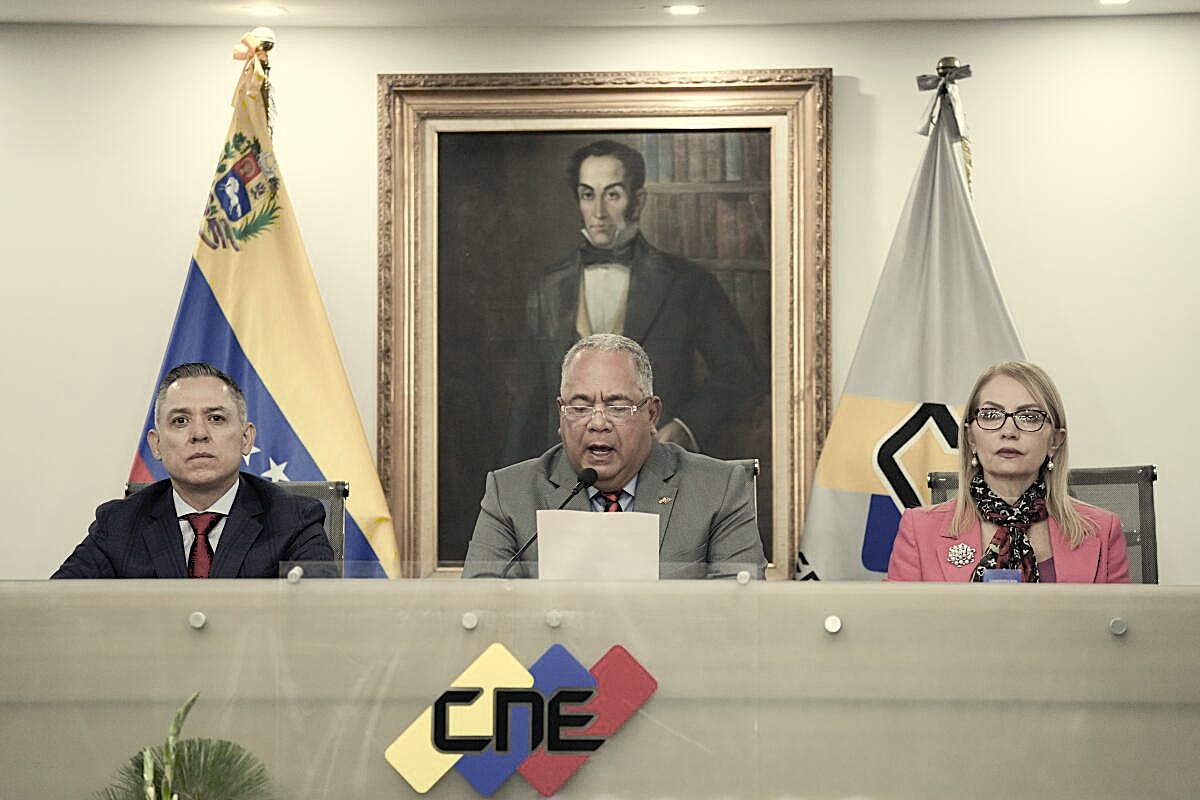
As we pointed out in this other article, the Constitutional Chamber of the Supreme Tribunal of Justice stated in a ruling, on January 3rd, that Delcy Rodríguez should assume and exercise, as “acting president,” all the powers, duties, and faculties inherent to the office of president. That decision classified Maduro’s absence as “forced.” It did not specify whether that absence was temporary or permanent. For the Constitutional Chamber, there is a forced absence of Maduro that must be filled by Delcy Rodríguez.
However, the concept of “forced absence” does not exist under the Constitution. The absence of the President of the Republic is either temporary or permanent, and for both options, the 1999 Constitution establishes clear rules that apply to each scenario.
Under these rules, it is already known that the acting president did not assume that an absolute vacancy had occurred on January 3rd. Let’s assume she assumed it was a temporary absence. Well, according to constitutional regulations on this matter, the 90 days corresponding to the “temporary absence” were completed on April 3rd. On that day, the National Assembly should have extended the temporary absence for another 90 days. Under the 1999 Constitution, a 30-day period begins from that day within which elections must be held.
These are the rules of the current Venezuelan Constitution.
As is becoming increasingly clear, the foreign and local investments that Venezuela needs will not materialize without first going through an electoral process that leads to the election of a new president. The current system is weak enough to discourage long-term investments in Venezuela.
Venezuela doesn’t need to be taught how to live in a democracy. Venezuela needs to be allowed to live in a democracy.
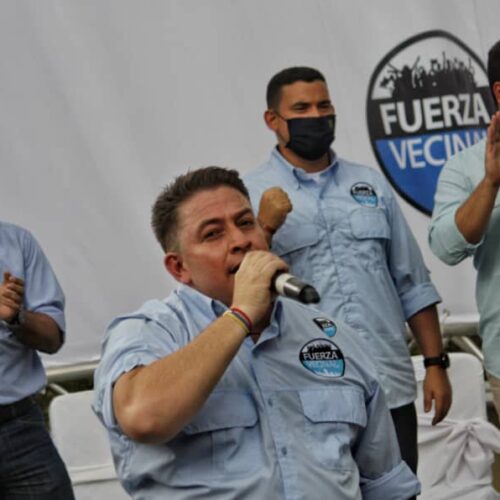
As we explained in this other article, one way we can pave the road for a presidential election is by calling for new primaries to choose our presidential candidate. It will be more difficult to postpone the discussion about the presidential election if the opposition transforms this potential landmark into the main focus of the national conversation.
Judging by what happened on July 28th and the political events before and after that day, it seems clear who the winning candidate in those primaries would be. But let the people express themselves again, and let them ratify the choice if that is their decision.
In 1958, after the Pérez Jiménez regime was toppled, Venezuelans held a universal and secret presidential election and elected a president. In 1968, we elected a president from the opposition party. For 40 years, we lived under a democratic system that was an example for the world. When Spain elected its president, Venezuela had been electing presidents for 20 years.
We Venezuelans want to bury the long period of authoritarianism we have endured since 1999. Democracy is not new to us. Venezuela was an example of democratic coexistence for many countries in the Americas and Europe.
Venezuela doesn’t need to be taught how to live in a democracy. Venezuela needs to be allowed to live in a democracy.
More than three months after January 3rd, Venezuelans should already be talking about presidential elections.
Caracas Chronicles is 100% reader-supported.
We’ve been able to hang on for 22 years in one of the craziest media landscapes in the world. We’ve seen different media outlets in Venezuela (and abroad) closing shop, something we’re looking to avoid at all costs. Your collaboration goes a long way in helping us weather the storm.
Donate