
One Hundred Hours of Hope and Government Absence
This is how the disaster area in Vargas looks and smell while relatives struggle to recover the bodies of their dead
Story and pictures by Erick Franco
A short drive along the Playa Grande coastal boulevard provides a glimpse of the scale of the disaster, 100 hours after the June 24 earthquakes. Businesses burned due to gas leaks, while the limited police presence began to give way to theft and looting throughout La Guaira’s commercial district. Along the 8.8-kilometer stretch between the Playa Grande Caribe Hotel and Calle Real de Mare, vacation and residential buildings from the mountainside collapsed onto the roadway, blocking much of the route and making access to Playa Verde extremely difficult. Once there, the damage to the smaller beachfront buildings becomes immediately apparent. As night falls, makeshift shelters appear along the coastline, high-voltage power lines lie across the roads, and damaged buildings continue to shed debris.
By 8:00 am of June 26, after the first 36 hours following the tragedy, the upper areas of Playa Grande and Playa Verde reveal an even more devastating reality. Daylight exposes nearly three kilometers of destruction, from Playa Grande’s Main Avenue to South CV Avenue, now reduced to ruins. Near the César Nieves Stadium, one resident helps distribute water throughout the community while telling us that he lost his three daughters, ages 7, 11, and 14. Despite his unimaginable loss, he says he must keep going because his mother is still alive.
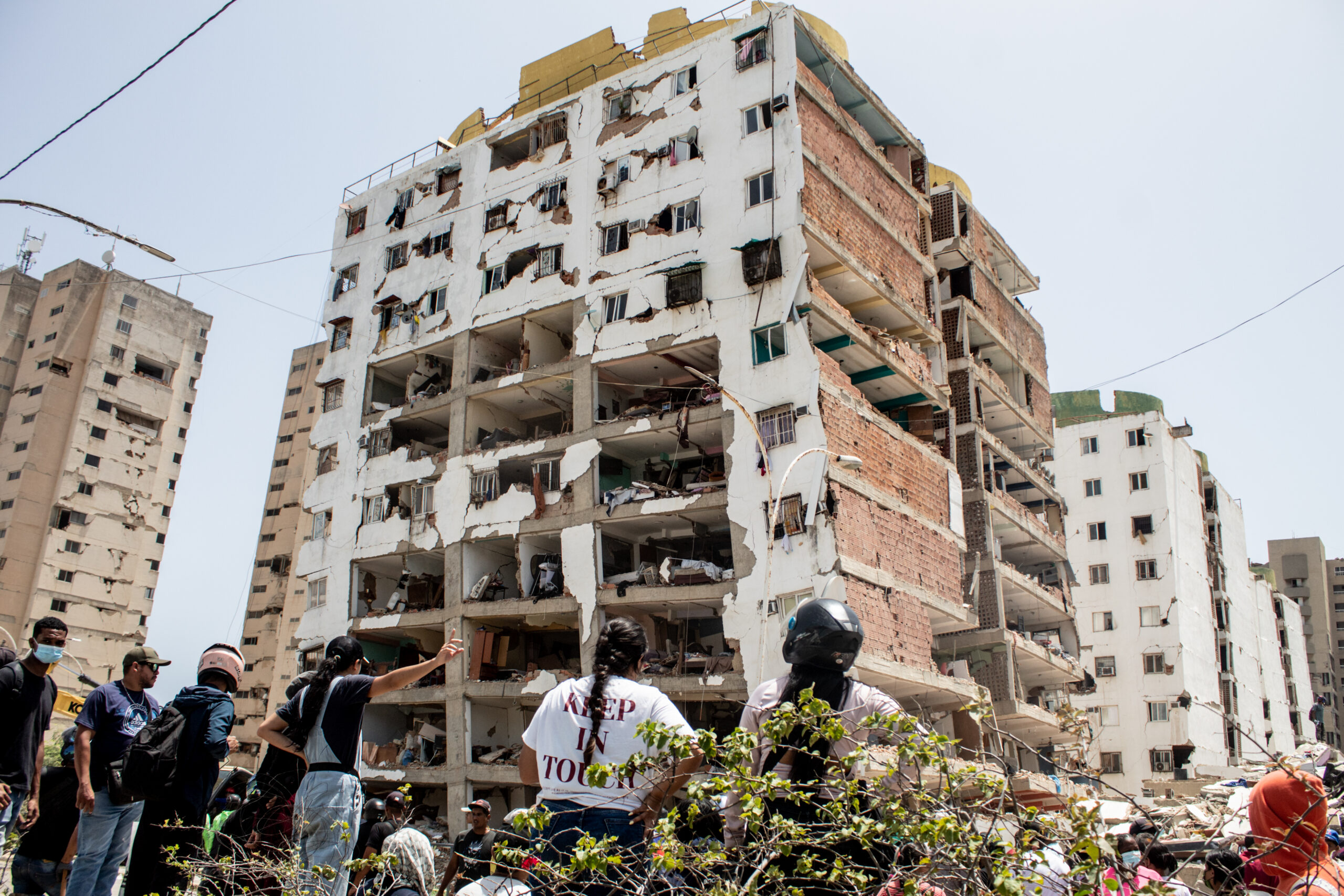
Local residents report that about 40 people were inside the Chipi’s Beach Hotel when the building collapsed, but only two managed to escape alive. Using only their own resources, community members worked to rescue 10 people whose cries could still be heard beneath the rubble. Finally, after more than 30 hours without assistance, firefighters arrived following an appeal made by volunteer students from the Central University of Venezuela.
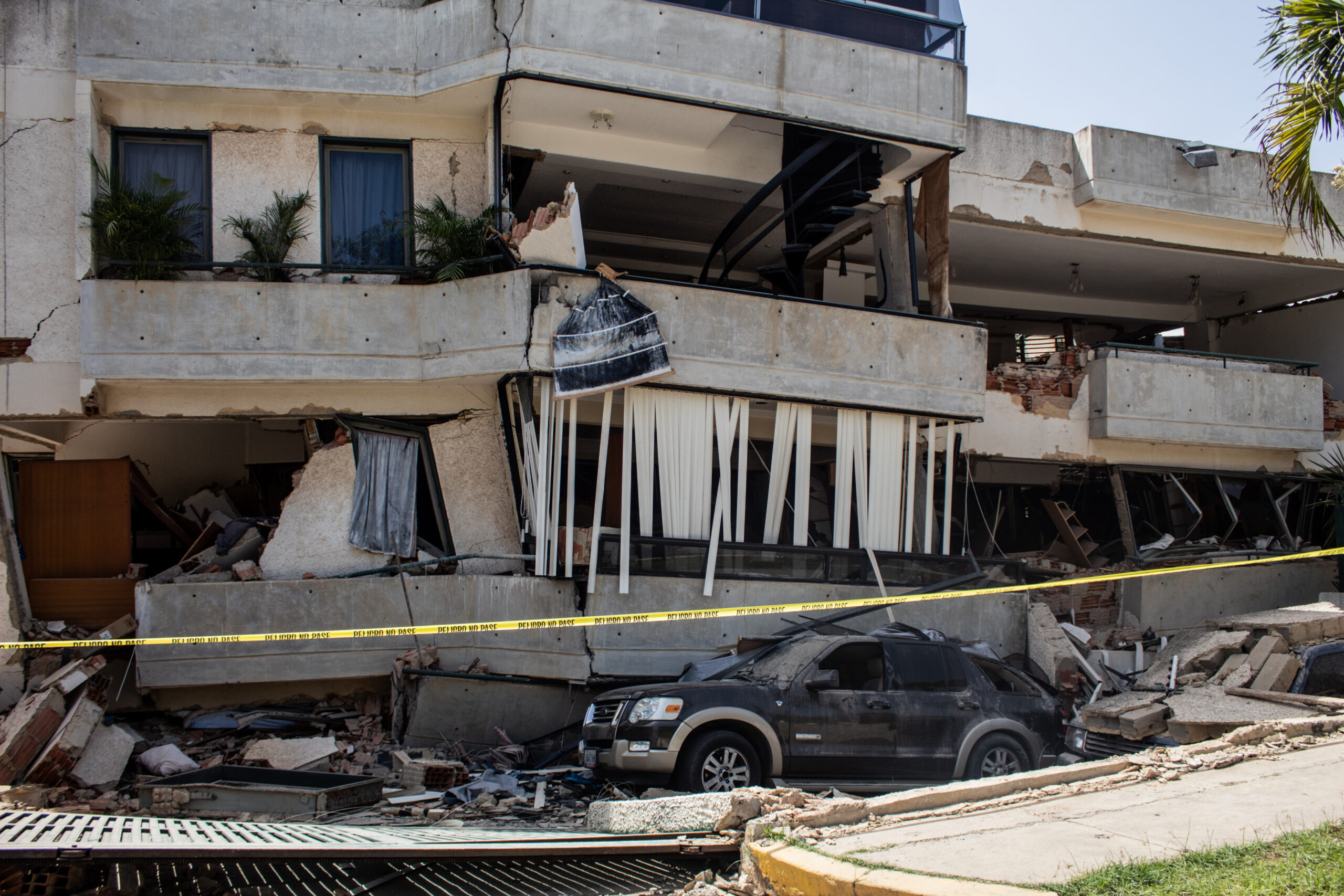
Next to Chipi’s Beach is the home of Mary, who has spent the past two days beside the body of her mother. As they attempted to flee during the earthquake, her mother became trapped in the narrow passage between the hotel’s exterior wall and the wall of their home. Mary explained that a forensic team determined her mother died instantly and without suffering after a structural column fell across her torso. University volunteers spent two hours attempting to recover her body, but were unsuccessful.
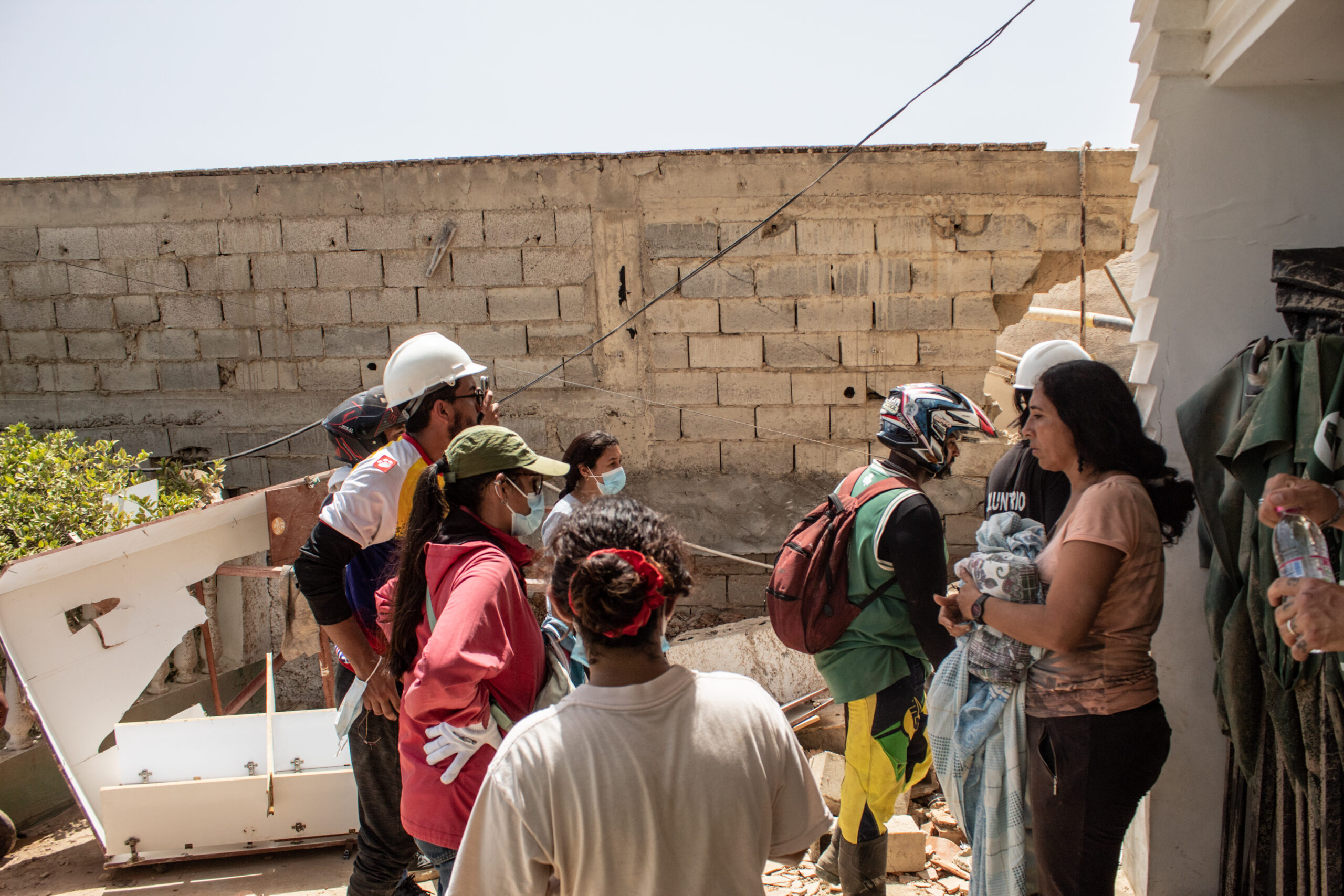
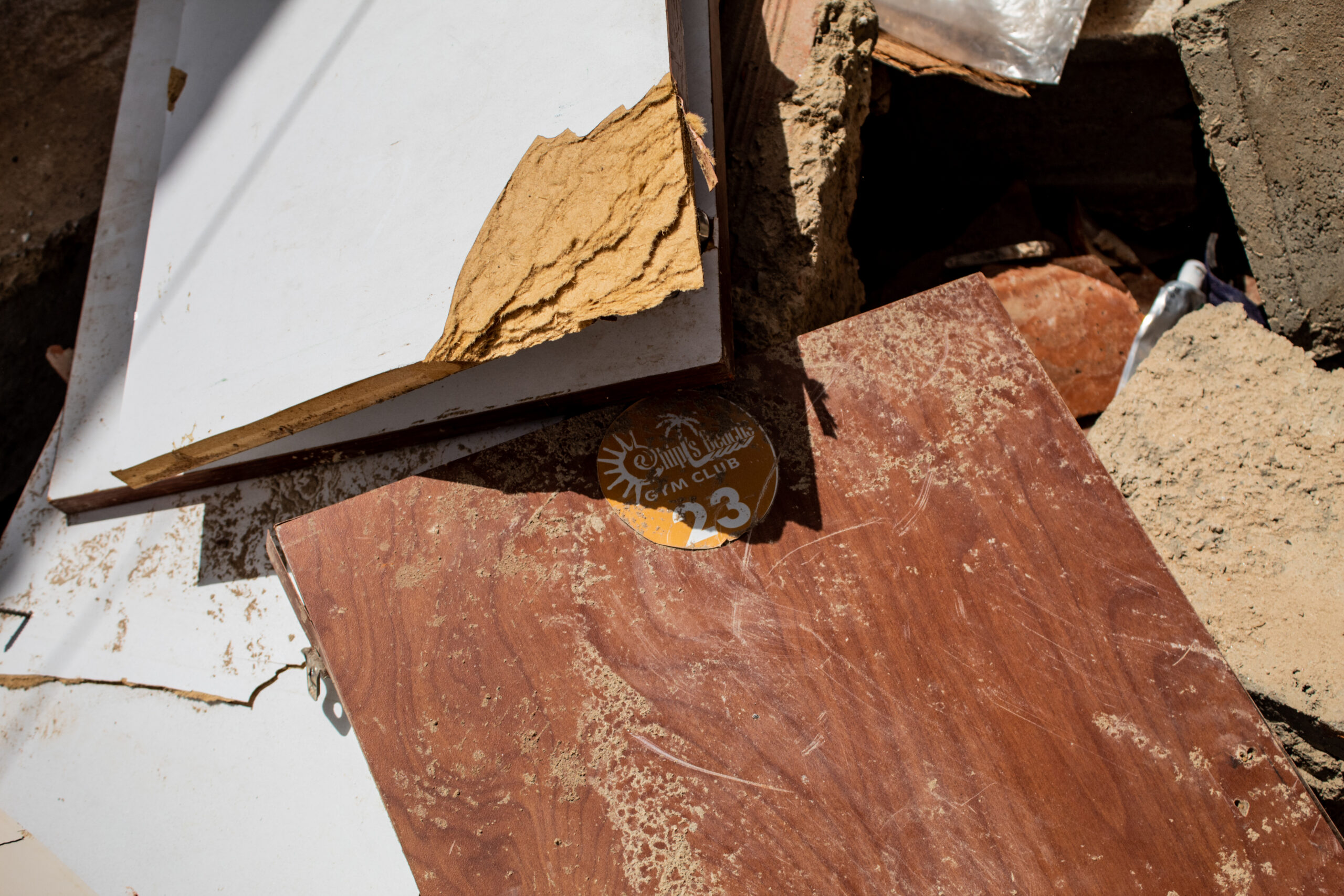
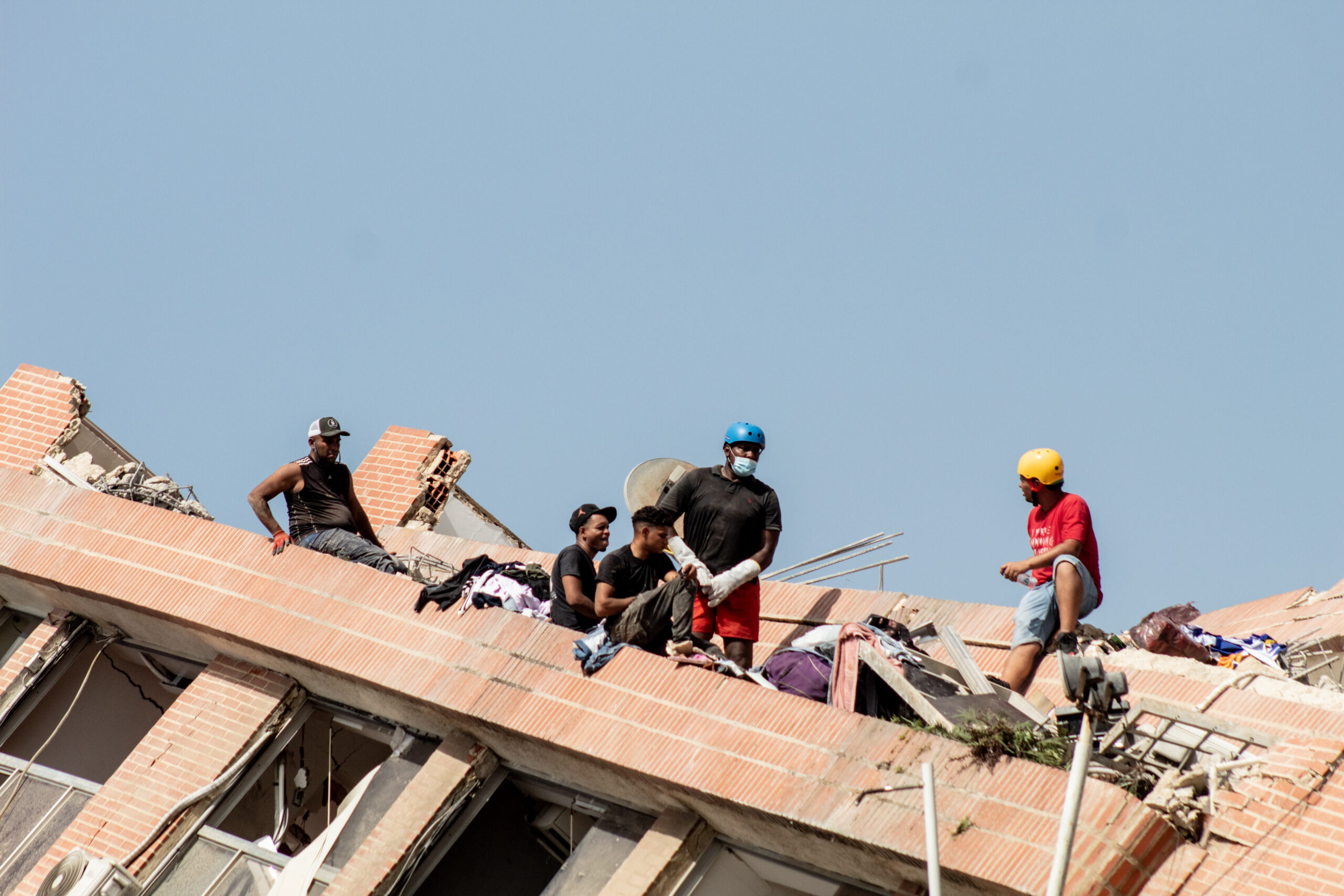
The same scene repeats itself on Fifth Street in Playa Grande, where residents and volunteers at the Residencias Malecón buildings recover three bodies from the rubble. At the same time, paramedics and rescue teams from El Salvador gradually arrive to assist in rescuing a children’s dance group trapped inside the Aguja Azul building.
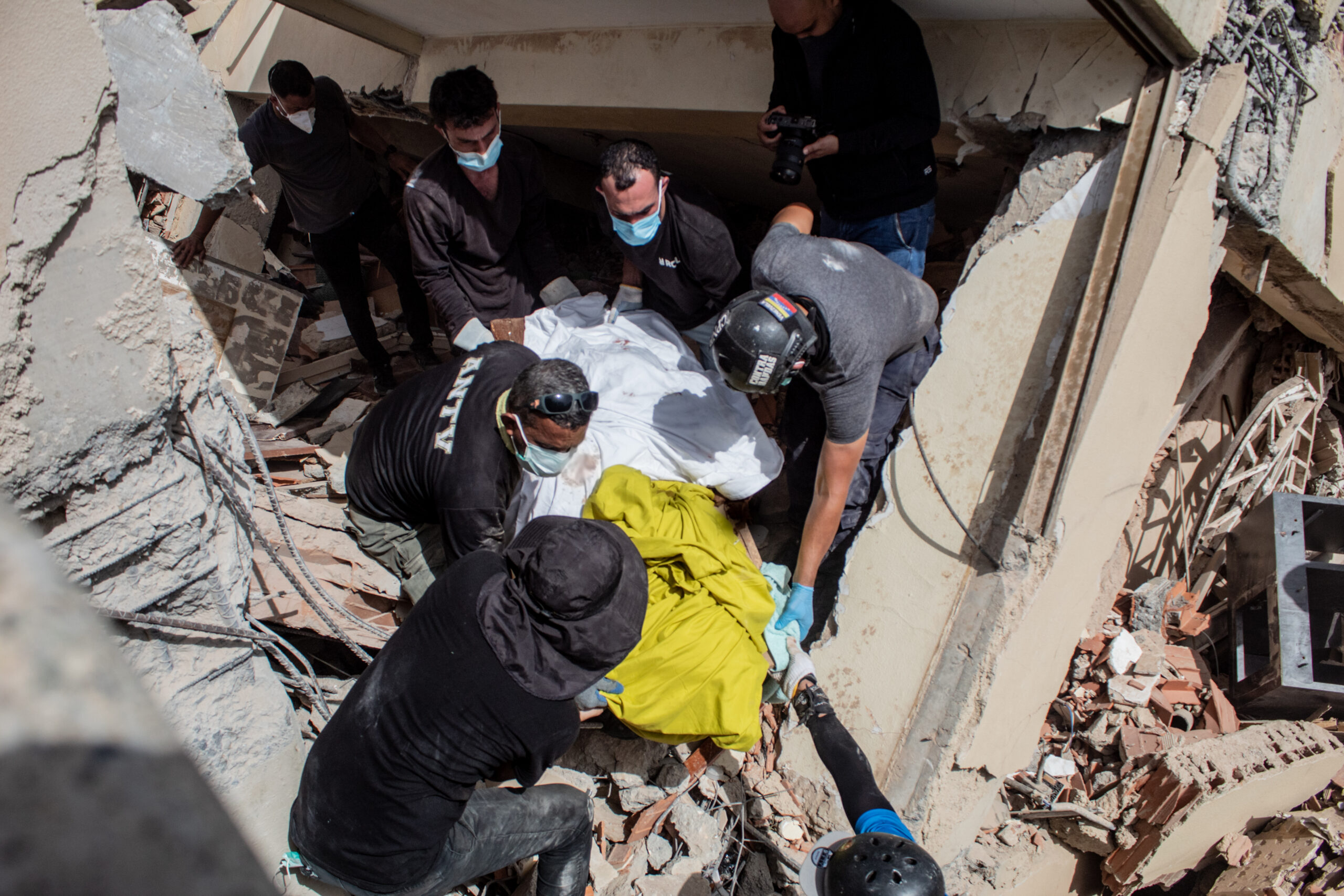
Venezuelan military personnel, volunteer rescue teams from El Salvador, Venezuelan firefighters, and police officers began to experience the physical toll caused by the odors, dust, and debris in the La Páez area of Catia La Mar. Cases of diarrhea, nasal allergies, and back pain were treated by volunteer medical personnel. Family members gathered at Block 3 of La Páez, where 13 people had been rescued alive, while search teams used probe technology in an effort to locate additional survivors.

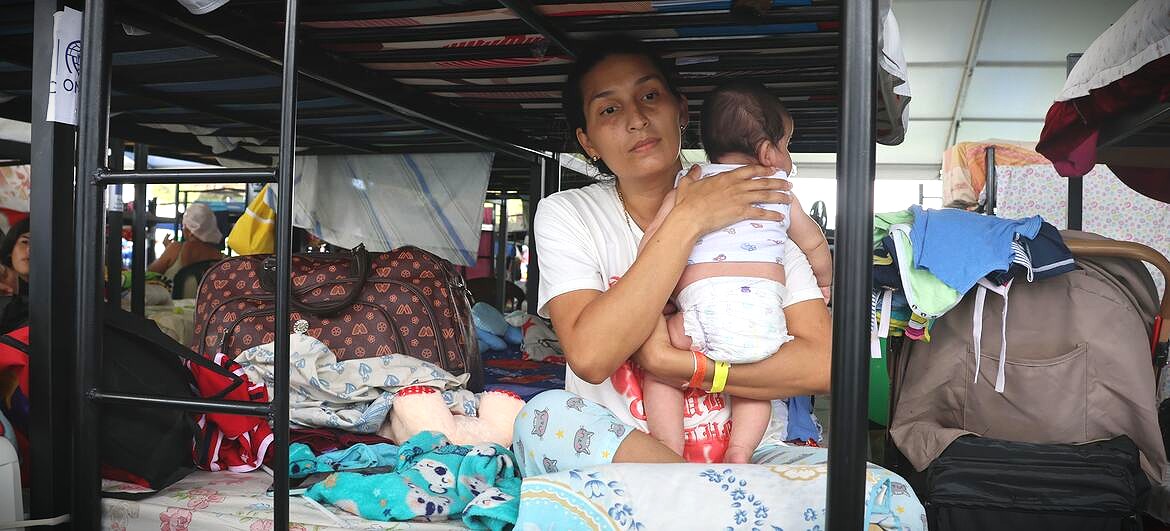
These first 100 hours after the earthquake revealed the complete collapse of an entire sector and the social abandonment of the affected communities by government institutions. Residents remained outside hospitals hoping to receive medication, surviving through donations, supplies, and the generosity of others while conducting physically demanding rescue efforts with little training and driven only by the hope of finding their loved ones.
One week after the tragedy, access to water remains limited, the smell of decomposition permeates the entire Catia La Mar area, the businesses that could provide food and essential supplies remain closed, telephone coverage is still incomplete, and power service is being restored only gradually.
Caracas Chronicles is 100% reader-supported.
We’ve been able to hang on for 22 years in one of the craziest media landscapes in the world. We’ve seen different media outlets in Venezuela (and abroad) closing shop, something we’re looking to avoid at all costs. Your collaboration goes a long way in helping us weather the storm.
Donate