
Venezuela’s New “Institutional Dialogue” Had a Wobbly Start
Much-anticipated talks kicked off with an alleged phone call and matching statements, which the US welcomed
Y así arrancó.
August 1 arrived with no sign the talks would begin, nor confirmation about those involved in each delegation. Mauricio Claver-Carone, the Americans’ informal intermediary coordinating the talks, announced his departure from the famous “Viceroy” role the day before, though several sources claim he was pushed out. The uncertainty just increased until radio silence broke, when Dinorah Figuera and Jorge Rodríguez published their respective statements at around 6 pm Caracas time, via X.
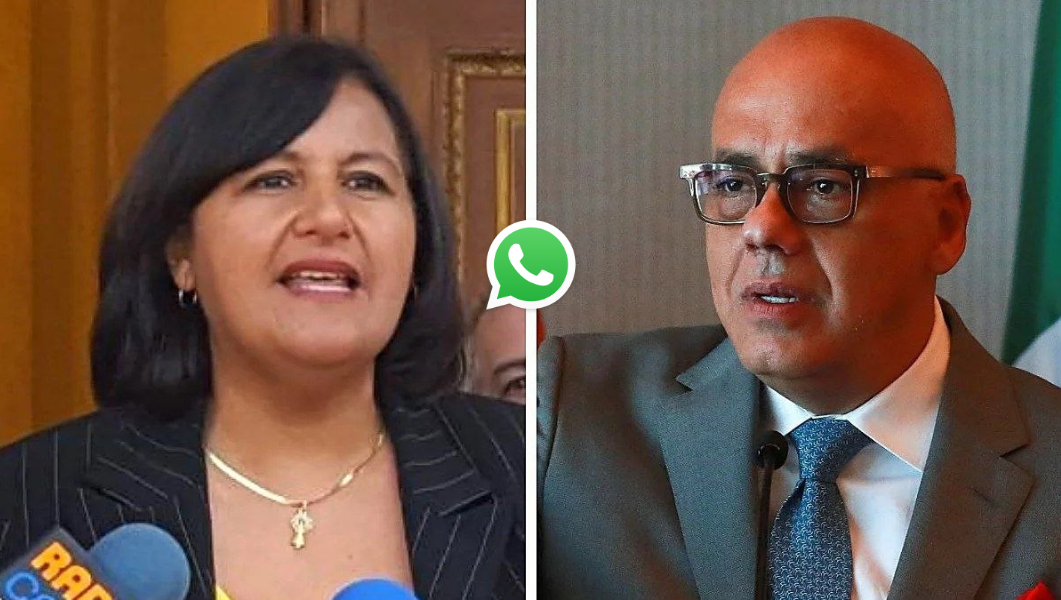
Both of them claimed to have held a phone call “to commence” the so-called dialogue process between the Rodríguez administration, under the Trump administration’s tutelage, and an opposition group also under the Trump administration’s tutelage. This looks nothing like the start of previous talks featuring chavismo and the opposition, with pictures of mediators and negotiators in a meeting hosted by some Caribbean nation.
We can imagine that, as nothing was really prepared for last weekend, Rodríguez and Figuera simply rang each other on WhatsApp and agreed what they would put in writing to leave a public record that the thing had begun. That’s if the call actually happened.
All statements established the same three-point agenda: the earthquake response (surely a subject Rodríguez is invoking to postpone anything that is not reconstruction), the strengthening of democracy (which has a different meaning for each stakeholder), and political rights and guarantees (what Venezuelans are demanding, in third place).
Rodríguez skipped any mention of a transition, or the United States, or the chavista National Assembly.
Shortly after, a State Department official called Dylan Johnson said the “US welcomes this announcement.” Today’s press statement by State echoes the agenda points shared by Figuera and Rodríguez.
When both camps confirmed the start date on July 14, the response to the disaster did not appear as an agenda point for the Figuera-led delegation. It seems Jorge Rodríguez managed to sneak it in with the gringos’ approval.
Rodríguez addressed Figuera as the “representative of a sector of the Venezuelan opposition” and skipped any mentions of a transition, or the United States. His statement did not mention the chavista National Assembly or display its logo either. Instead, he spoke of a national government delegation where he stands out as coordinador and includes six members. Second in the list is Ana María Sanjuan, a close advisor of the Rodríguez siblings who joined the government as minister of education in March. Then there is Jorge Arreaza (one of the most senior chavista figures in the current legislature and a usual suspect in prominent commissions), Pedro Infante (the parliament’s vice president), and two PSUV lawmakers strongly linked to the ruling party’s youths: América Pérez and Génesis Garvett. The latter is a chavista politician-influencer born in 1999.
Machado said disagreements with the Trump administration concern the speed and urgency of the transition, and demanded short-term results.
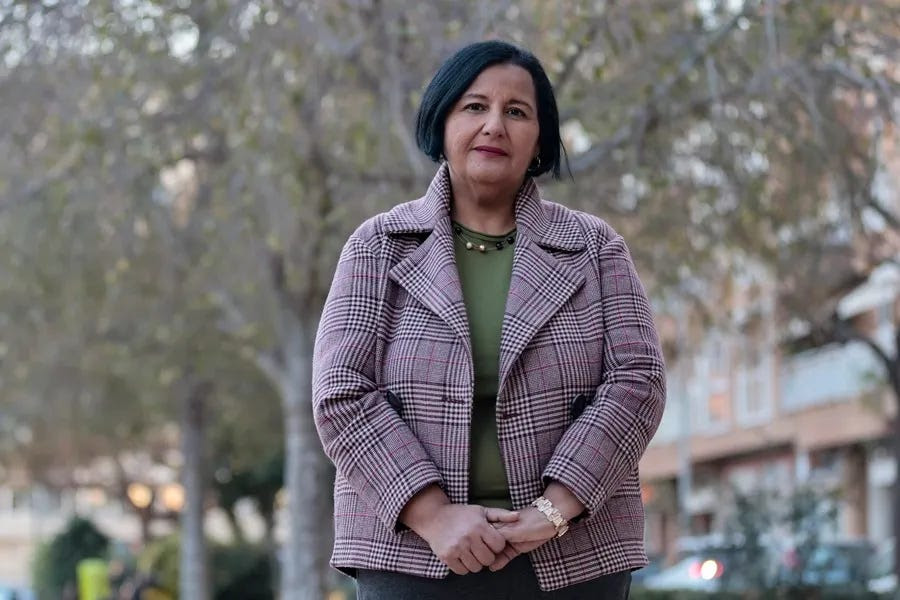
Figuera said the first in-person meeting is set to take place next week in Caracas. She confirmed the US-backed opposition delegation is composed of a political technical commission of six members (Marco Aurelio Quiñones, Ramón López, Jorge Millán, Juan Miguel Matheus, and Sergio Vergara and herself) and a supporting commission (Macario González, Julio César Moreno, Desiree Barboza and Elimar Díaz). Figuera thanked the US and Marco Rubio for their backing of the transition before signing off on behalf of the 2015 National Assembly, which doesn’t actually exist anymore.
In an August 2 interview, María Corina Machado restated what she and Edmundo González had already established: she will not join the talks nor block them. Venevisión aired 15 minutes of the conversation between the opposition leader and Luis Olavarrieta, the first broadcast of a Machado interview on the network in ages.
“Everything that brings us closer to fulfilling the July 28 mandate will have our support,” she said, “but from a very firm perspective of always telling the truth. At this point no one is going to put a muzzle on me.” Asked about her disagreements with Washington’s agenda, Machado stated that these concern the speed and urgency of the transition and demanded short-term results: freeing political prisoners, allowing the return of exiles, renewing the National Electoral Council (CNE), and establishing a date for new elections.
Whoever now runs Nicolás Maduro’s X and Telegram accounts announced that he welcomes “any path of dialogue that helps to consolidate peace, coexistence, and encounter among Venezuelans.”
Caracas Chronicles is 100% reader-supported.
We’ve been able to hang on for 22 years in one of the craziest media landscapes in the world. We’ve seen different media outlets in Venezuela (and abroad) closing shop, something we’re looking to avoid at all costs. Your collaboration goes a long way in helping us weather the storm.
Donate