
Why We Need a Gender Lens in Venezuela’s Compounding Crises
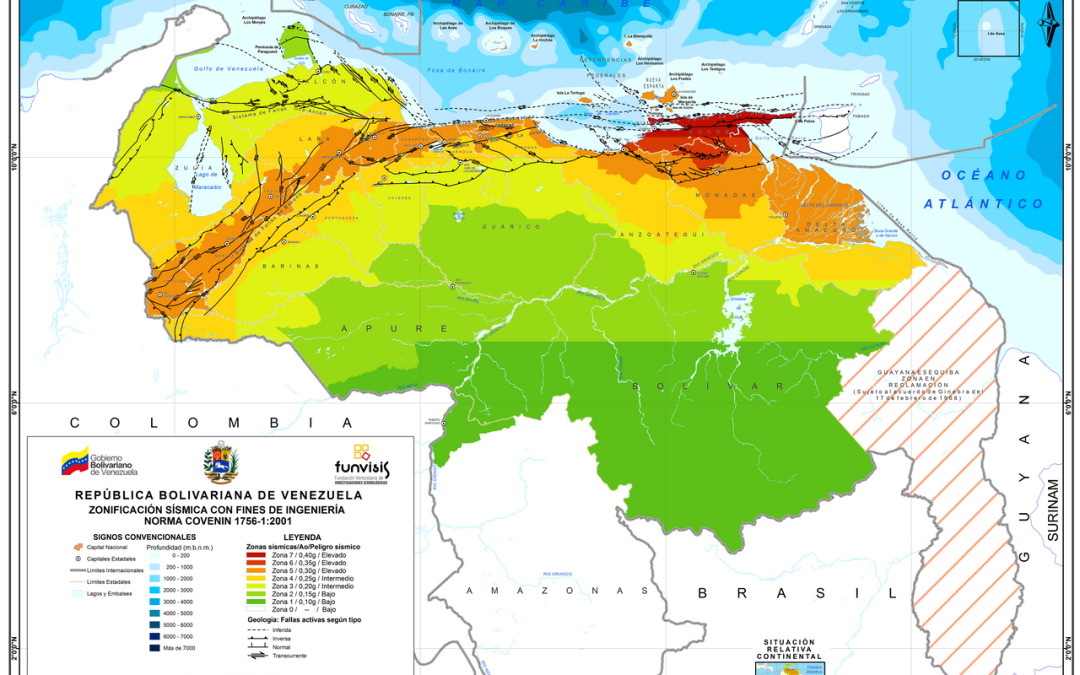
The earthquakes affected more than 30,000 pregnant women and led to documented cases of sexual violence. Addressing that is urgent
A longer version of this article was originally published by ODI Global
As one of almost eight million diaspora Venezuelans, I was shocked by the news of the double earthquakes that hit the country on 24 June. After spending the first few hours communicating with family and friends, making sure everyone was safe, the feminist researcher and activist in me kicked in, trying to understand the situation. How many people were affected? What were the systems in place to support those being rescued and those doing the rescuing?
These questions were not in a vacuum: my research, co-authored with Antulio Rosales, explores the complex humanitarian emergency unfolding in Venezuela for over a decade. The diminishing state capacity inflicts especially hard effects on women and girls, who traditionally pick up the pieces of failing systems of care. Add to this the impact of a sudden-onset disaster, like an earthquake, and you have a perfect storm of mounting, intersecting needs and gendered risks. However, there is no gender-disaggregated data available and limited-to-no data on sexual and reproductive health and rights (SRHR) needs or gender-based violence (GBV) in the context of this new humanitarian emergency.
Venezuela has the second-highest maternal mortality rate in Latin America and the Caribbean, with 227 deaths per 100,000 live births. Access to contraceptives is chronically limited due (among other reasons) to scarcity and lack of affordability. Abortion is criminalized in most cases, with one of the most restrictive legislations in the region. Similarly, the profound decline of public services increased the unpaid care workload of women and girls, especially those living in poverty. This translates into a steep decline in women’s labour participation, which reached 39% in 2025, adding to a decade-old custom of multiple Venezuelan governments to rely on the unpaid labour of women at the grassroots level to reach communities and even to implement public policies.
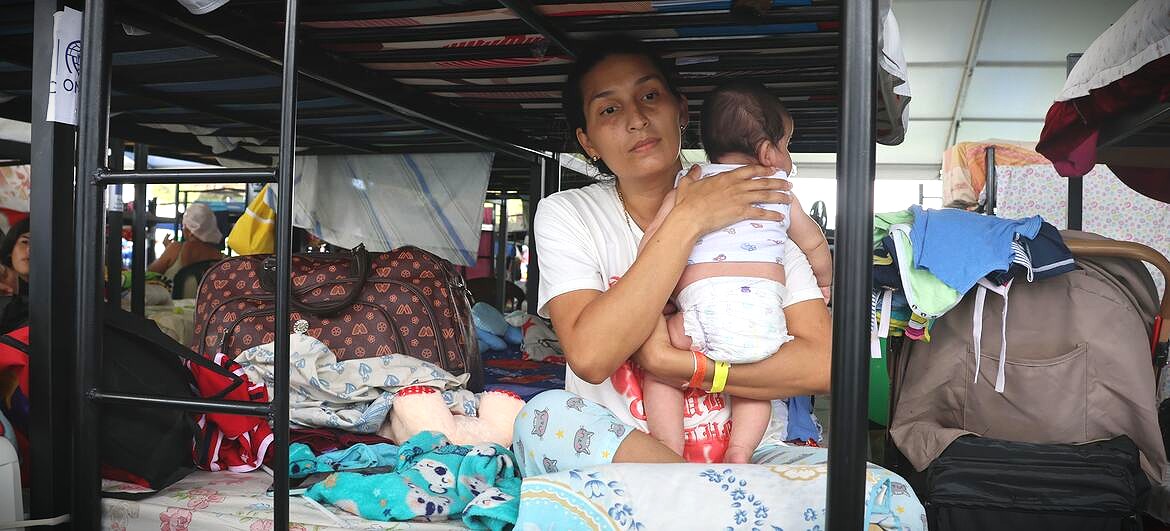
After the earthquakes struck and within the first 72 hours of operation of the shelters set up for displaced people, local organization Tinta Violeta identified 22 cases of sexual violence, which highlights the urgency of implementing conditions for increased safety and protection, especially for women, children and adolescents, who are the most likely population groups to experience GBV. This includes, but is not limited to, access to running water and safe and private washrooms, sustained access to menstrual products, and the fostering of conditions of a safe and peaceful cohabitation.
There are 107 temporary shelters distributed in five states. Shelter management is assigned to different government ministries, regardless of their areas of expertise. Civil society’s access to these sites depends on official approval.
Humanitarian responses should aim at preventing mortality, morbidity and disability in crisis-affected populations with SRHR in mind. UNFPA estimates that 36,700 pregnant women have been affected by the earthquakes, including approximately 4,000 who were expected to give birth in the month that followed. OCHA reports that 154 women in temporary shelters received antenatal care, with no reference to any births one month after the earthquakes. There is a disconnect between the needs identified at the onset of the emergency and the antenatal care reported. In this context, and given Venezuela’s pre-existing high level of maternal mortality, there is an urgent need for sufficient, sustained and consensual access to contraceptive options; robust antenatal screening; and accessible, safe and clean birthing facilities with trained health personnel for people inside and outside temporary shelters.
The complexity of any large-scale humanitarian crisis is likely to add challenges to the functioning of any governance system, exposing the existing fragility of institutions. These challenges are exacerbated in authoritarian governments under the tutelage of foreign powers. Multiple news reports refer to a delayed state response, late arrivals at critical sites, and severely limited state capacity.
At the time of writing, there are 107 temporary shelters distributed in five states. Shelter management is assigned to different government ministries, regardless of their areas of expertise. Civil society’s access to these sites depends on official approval. For example, UNFPA provided SRHR support to four shelters (of the 107 in place) during the first month that followed the earthquake, showing the limited reach of SRHR-specific approaches.
The collaboration with already existing civil society organisations with critical expertise in GBV and SRHR is essential to the safety and survival of women and girls displaced by this crisis. At the same time, these organisations face structural challenges. First, they are under extreme demand, considering that they were already at the forefront of addressing the consequences of the pre-existing protracted humanitarian emergency. Second, like all non-governmental organisations, they operate in a context of constraint where freedom of association is at risk.
Statistically, Venezuela was already a dangerous place for women to give birth before the earthquakes. That fact alone should place SRHR needs at the forefront. A piecemeal approach of limited reach to shelters and sporadic interventions will not be sufficient to meet the substantial challenges ahead. Ultimately, SRHR should not be an add-on to the reconstruction efforts ahead, but a priority at their core.
Caracas Chronicles is 100% reader-supported.
We’ve been able to hang on for 22 years in one of the craziest media landscapes in the world. We’ve seen different media outlets in Venezuela (and abroad) closing shop, something we’re looking to avoid at all costs. Your collaboration goes a long way in helping us weather the storm.
Donate