
The Quakes Also Exposed Venezuela's Immunization Void
Venezuela performed poorly before the tragedy. Then, the State refused to provide data needed to vaccinate children against preventable diseases
Runrun.es originally published this piece in Spanish. Photo by Jorge Ábrego (EFE)
“Venezuela entered this disaster burdened by a heavy immunization debt. While earthquakes do not generate epidemic outbreaks on their own, they significantly increase the risk of spreading vaccine-preventable diseases,” explained Dr. José Levy, president of the Immunization Commission at the Venezuelan Society of Childcare and Pediatrics (SVPP).
The latest report on National Immunization Coverage Estimates (WUENIC) by the World Health Organization (WHO) and the United Nations Children’s Fund (UNICEF) shows that in 2025, coverage for 14 vaccines the government is responsible for providing did not exceed 60%. Notably among these are pneumococcal and rotavirus vaccines, which have not been administered in the country since 2016.
For the seventh consecutive year, the Venezuelan government failed to reach 95% coverage for any vaccine under the Expanded Program on Immunization (EPI)—the minimum target recommended by the WHO to protect populations against vaccine-preventable illnesses such as pertussis (whooping cough), measles, and polio, and to reduce the risk of epidemiological outbreaks.
WUENIC data revealed that vaccination coverage in Venezuela during 2025 dropped even lower than levels recorded in 2020 and 2021, when the WHO warned of global declines in immunization rates due to the COVID-19 pandemic.
The WHO data reflects a 91.16% drop in public funding dedicated to mitigating the risk of vaccine-preventable diseases.
According to the Latin American Society of Vaccinology (SLV), vaccine-preventable diseases spread far more rapidly in the aftermath of socio-environmental disasters like earthquakes. In a statement released on July 7, the SLV called on the Venezuelan government to publish an inventory of vaccines available in the country to address the humanitarian emergency. To date, no government official has provided an update.
A chain of vulnerabilities
According to the SVPP, the shortage of vaccines had reached a critical tipping point a month before the earthquakes hit. On May 29, the Ministry of Health issued administrative circular No. VRSC/DGE/DI 020/2026, instructing regional epidemiology and state immunization directors to ration vaccine doses—specifically those protecting against tuberculosis (BCG); measles, mumps, and rubella (MMR); and diphtheria, tetanus, and pertussis (DTP).
The government instructed medical authorities to administer vaccines every other day, based on the number of births at each health facility, or to restrict doses exclusively to infants in their first year of life. This directive ignored the booster shots required to complete the full immunization schedules recommended by the scientific community.
“One of the primary reasons we are facing some of the worst coverage rates in Venezuela’s recent history is that our investment, or spending, on vaccines is at its lowest level in 15 years,” explained Alejandro Crespo, a pediatrician and SVPP member in Aragua state.
By 2025, less than 50% of Venezuelan children had received the complete multi-dose regimen for the DTP vaccine (diphtheria, tetanus, and pertussis).
According to WHO data, Venezuela once invested slightly over $48 million to meet its immunization targets. By 2025, WUENIC figures showed the government invested just over $4 million. The WHO data reflects a 91.16% drop in public funding dedicated to mitigating the risk of vaccine-preventable diseases.
“And that money does not cover operational expenses like sharps disposal containers, the red safety boxes used to discard used vials and needles. Nor does it cover healthcare staff salaries, syringes, transportation, or the cold-chain infrastructure needed to vaccinate remote areas. That figure represents spending on the vaccines alone,” Crespo noted.
The pediatrician added that all the systemic flaws tied to the Complex Humanitarian Emergency Venezuela has endured since at least 2016 compound the lack of investment needed to reach UN-standard vaccination rates. Power outages, running water shortages, and hyperinflation present constant hurdles: “They increase the number of missed opportunities. Parents who take their children to get vaccinated are turned away and told to come back another day, and never return because they are consumed with searching for water or electricity, or simply cannot afford expensive transportation on their income.”
Facing disaster without vaccines
A study published in June 2026 by the Research Unit on Global Health and Social and Environmental Determinants of Health Inequalities (SEDHI) reiterated that socio-environmental disasters (particularly earthquakes) lead to spikes in vaccine-preventable disease transmission when community vaccination coverage is poor or nonexistent.
Exposure to dust and rubble particles, overcrowding in temporary shelters, the collapse of healthcare services due to the disaster, and a lack of clean drinking water and proper sanitation facilities are the main drivers spreading tetanus, diphtheria, measles, and other respiratory infections (including pneumococcal disease).
Yet by 2025, less than 50% of Venezuelan children had received the complete multi-dose regimen for the DTP vaccine (diphtheria, tetanus, and pertussis). “The country has also gone 10 years without vaccines against pneumococcus and rotavirus, which can easily spread in shelter environments through degraded air and water quality, respectively,” Crespo warned.
“We are one of the few countries in the Americas that has failed to incorporate the HPV vaccine into its official national schedule.”
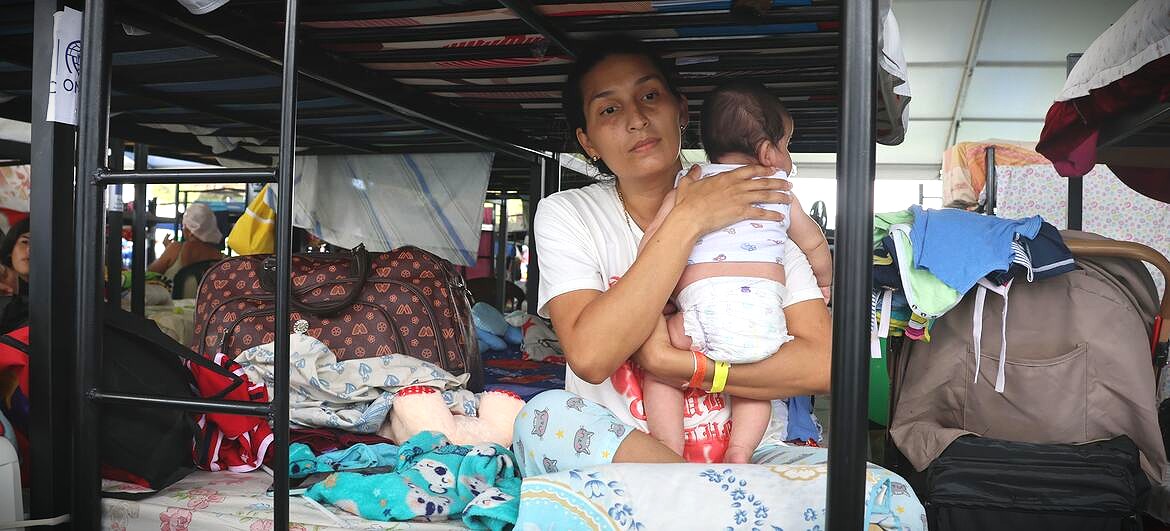
“The public administration has failed to launch a serious, comprehensive tetanus vaccination drive in response to this disaster,” Crespo denounced, adding that conditions in many temporary shelters are dire. He pointed specifically to a shelter in Brisas de Maiquetía, where at least 2,200 people were living in tents as of July 20, 2026, with no access to basic public utilities and served by just 45 latrines and 35 showers. International standards established by the United Nations High Commissioner for Refugees (UNHCR) mandate a minimum of one latrine per 10 people and one shower per 20 people.
The Aragua pediatrician emphasized that beyond the vaccines included in the official EPI schedule, the government owes a long-standing debt regarding immunizations for influenza and Human Papillomavirus (HPV)—diseases that can rapidly spread in unmonitored temporary camps. “We are one of the few countries in the Americas that has failed to incorporate the HPV vaccine into its official national schedule. In disaster settings like this, the risk of sexual violence against women increases significantly.”
Opacity surrounding vaccination centers in La Guaira
On July 28, 2026, UNICEF reported that 21,000 people were residing across several temporary shelters in La Guaira state, including camps at the José María Vargas Sports Complex, the César Nieves Stadium, and the Los Caracas vacation resort.
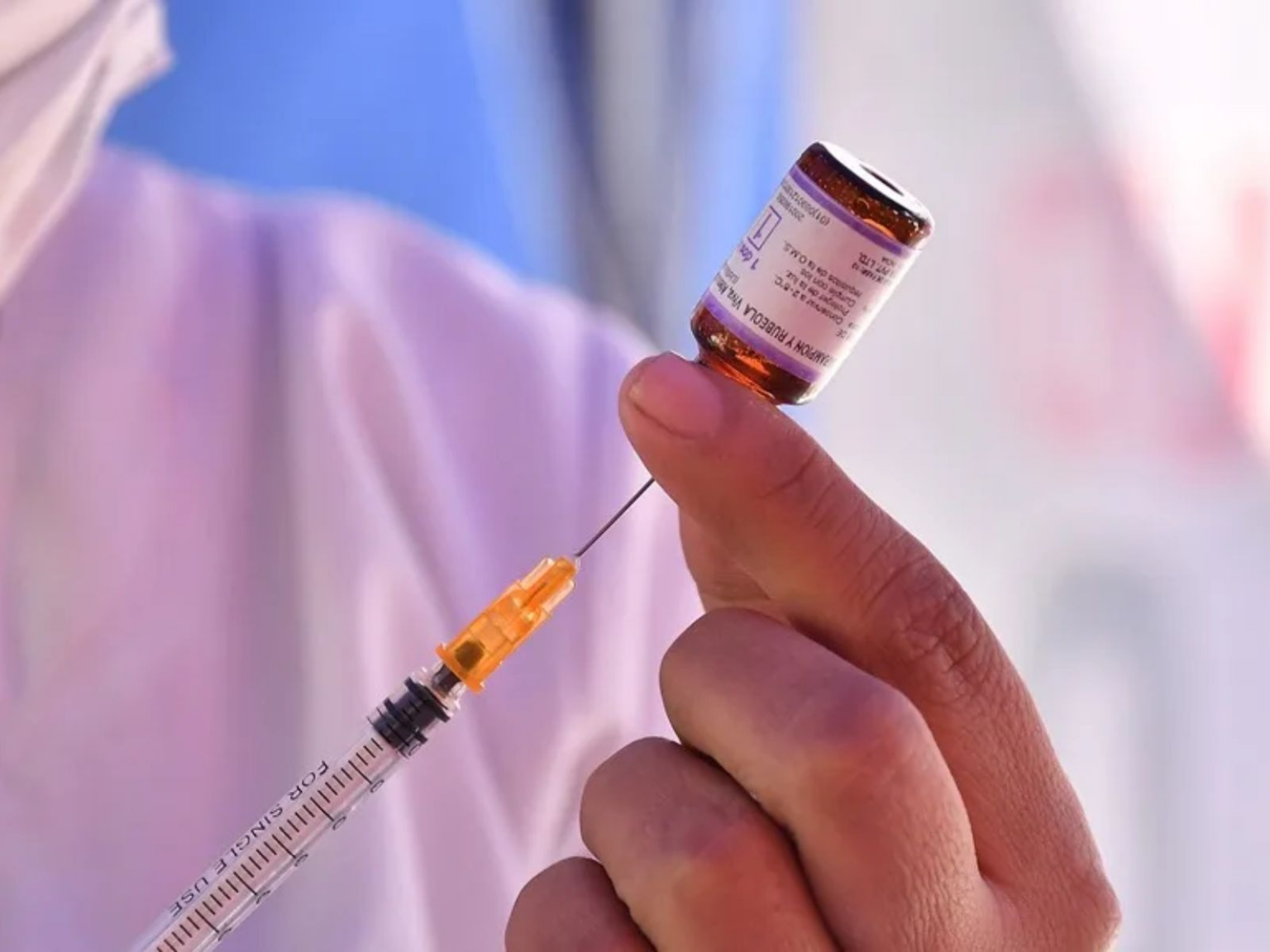
Concurrently, pharmacy chain Farmatodo initiated a free tetanus vaccination campaign in Maiquetía (La Guaira) at its Plaza Tricolor location, as well as at several branches in Caracas.
However, Dr. Levy reiterated that complete opacity continues to shroud official healthcare responses and immunization protocols in Venezuela, even amidst an earthquake-driven humanitarian emergency. Without basic demographic data or clear accounting of the volume and types of vaccines available, civil society cannot coordinate an adequate response to the crisis.
“It is not enough to simply count stored doses and the number of people attended to. The true measure of an effective response is knowing how many vulnerable individuals can be identified, reached, and vaccinated in a timely manner. From an immunization standpoint, we must immediately assess which vaccination centers remain operational, which refrigeration systems were damaged, how much inventory was destroyed, and how many children and adolescents are displaced or in shelters,” the president of the SVPP Immunization Commission warned.
“Authorities must invest properly, accept guidance from scientific societies… and cease political persecution against these institutions. A law persecuting NGOs remains on the books…”
Although the WHO announced that Bolivia donated 127,475 doses of the pentavalent vaccine (protecting against diphtheria, tetanus, pertussis, hepatitis B, and Haemophilus influenzae type b) and Brazil donated an additional 1.15 million vaccines to the country, Crespo asserted that the overall demand for vaccines in Venezuela remains severely unmet.
He stressed that the government must demonstrate financial, demographic, and sanitary transparency if it hopes to access international aid mechanisms like the Pan American Health Organization (PAHO) Revolving Fund and Gavi, the Vaccine Alliance.
“It falls on the Venezuelan state to resolve this vaccination crisis: it must execute a high-coverage campaign, including public education to prevent missed opportunities. To achieve this, authorities must invest properly, accept guidance from scientific societies… and cease political persecution against these institutions. A law persecuting NGOs remains on the books and ought to be repealed immediately, especially given this humanitarian emergency,” he emphasized.
The SVPP estimates that recovering national vaccination coverage to the WHO-recommended target of 95% or higher will take years. Meanwhile, the interim government of Delcy Rodríguez has not updated demographic death toll figures from the earthquakes since July 24, nor has it released updated figures on people housed in shelters since July 26, 2026.
Caracas Chronicles is 100% reader-supported.
We’ve been able to hang on for 22 years in one of the craziest media landscapes in the world. We’ve seen different media outlets in Venezuela (and abroad) closing shop, something we’re looking to avoid at all costs. Your collaboration goes a long way in helping us weather the storm.
Donate