
International Aid in Venezuela Goes From Rescue to Recovery
Field hospitals and relief for survivors are replacing search-and-rescue efforts

Two weeks after two devastating earthquakes struck Venezuela, the international response is changing its shape. The disaster has left at least 3,535 people dead and 16,740 injured, according to the most recent official figures, while 157 remain missing and 17,854 have lost their homes. The numbers might be much higher. Yet, as hopes of finding survivors diminish, foreign search-and-rescue teams are leaving or rotating out, while doctors, field hospitals, forensic specialists and assistance for displaced families increasingly take their place.
At the time of writing, only 25 of the 77 international rescue teams that arrived from 31 countries remained operational, according to the United Nations. The UN Disaster Assessment and Coordination team has also transferred responsibility for coordinating the remaining response to the Venezuelan Civil Protection corps, as operations increasingly shift toward debris removal and the recovery of victims’ bodies.
This doesn’t simply mean that the international response is smaller. Instead, it shows that it is transforming into a different type of aid, focusing on tending to survivors, addressing public health needs and beginning the difficult work of reconstruction. The coming months will be complex, yet the resources still active in Venezuela and those now being deployed offer a snapshot of where the country stands and what might come in the next phases of disaster response.
Search and rescue winding down
Multiple international contingents have already completed their missions to search for survivors, as the narrowing window for finding people alive beneath the rubble makes successful rescues increasingly unlikely. France’s 85 rescuers already returned to their country; Bolivia’s 20-member team returned after search, rescue and victim-identification work; Ecuadorian firefighters left after seven days in La Guaira; and Mexico’s Topos have also concluded their deployment.
However, rather than withdrawing, other countries are rotating their personnel, as in the case of Argentina. El Salvador is sending 120 new specialists while keeping 180 members of its mission in Venezuela, bringing its total presence to 300 people, including rescuers, doctors, paramedics, psychologists, veterinarians and firefighters.
Colombia is a clear example of this shift in the international response. Its rescue team has already returned home, yet its assistance is continuing in a different form, with a field hospital being deployed in Caracas and a forensic team expected to arrive to assist with victim identification.
Medical care
In fact, medical assistance is becoming one of the most visible parts of the international response to the earthquake. In addition to Colombia’s field hospital, Brazil continues operating a Navy field hospital in La Guaira and has sent additional healthcare supplies and laboratory equipment to support the facility. Haiti is also deploying doctors and health specialists.
Large camps in Caracas, including those at Parque del Este, the Ipostel headquarters and Parque del Oeste, were cleared, with residents moved to schools, gyms, relatives’ homes, shelters and what are being referred to as “micro-camps.
The Dominican Republic also sent a mobile hospital, while Qatar delivered medical supplies and, according to a Venezuelan government statement, a fully equipped field hospital. Other temporary medical facilities remain scattered across the affected areas. Available information identifies sites at Catia La Mar, the Polideportivo, El Playón, Campo de Golf and the La Guaira baseball field, with operations linked to Venezuelan institutions and foreign partners, including the United States and Samaritan’s Purse.
In Caracas, a Spanish-donated field hospital at Parque del Este reportedly remains operational. India, on the other hand, closed its field hospital on July 6th after a week of operations. Other international medical efforts are supporting or operating alongside existing healthcare centers. Japan, for instance, is offering outpatient consultations outside the Domingo Luciani Hospital. However, a civilian report showed that, as of yesterday, the facility was empty. Another temporary facility set up outside Hospital San José in La Guaira, which was badly damaged by the earthquakes, is receiving support from the Italian Red Cross and the Vatican.
Shelter and basic relief
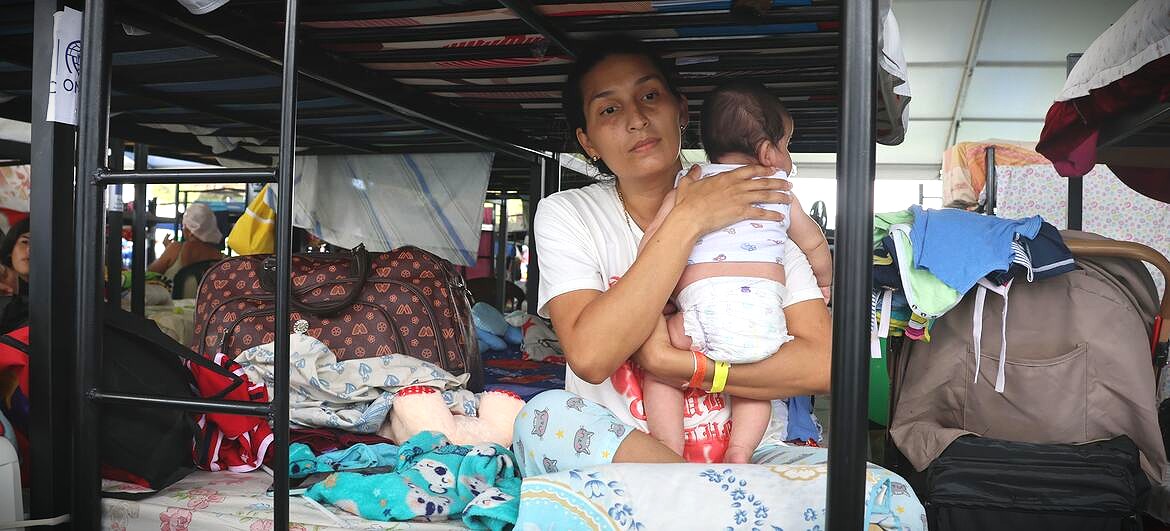
According to El Nacional, as of July 7, at least 14,634 people are staying in 87 government-run camps, including 8,613 in La Guaira, 4,961 in Caracas and 1,060 in Miranda. Yet, the distribution of displacement is shifting. On July 5, large camps in Caracas, including those at Parque del Este, the Ipostel headquarters and Parque del Oeste, were cleared, with residents moved to schools, gyms, relatives’ homes, shelters and what are being referred to as “micro-camps.” However, some informal street camps remain, and some displaced families have now moved beyond the capital.
Relief operations are expanding around the needs of the displaced. Global Empowerment Mission and I Love Venezuela, a program of the We Love Foundation, say they have supported more than 30,000 survivors, established a permanent headquarters in La Guaira and committed more than $50 million over six months. Cáritas de Venezuela says it has distributed 9,000 tons of food, water, hygiene products and medical supplies, while World Central Kitchen remains active in providing meals.
US ships and aircraft are supporting mapping, transport of personnel and patients, air control and logistics between the Maiquetia airport and the La Carlota airbase in Caracas.
Humanitarian aid shipments are also reflecting the need for sustained support for displaced communities. China sent more than 80 tons of generators, mobile water-purification units, sterilization machines, solar lighting, tents and blankets. France, after ending its rescue mission, shifted toward shelters, solar lamps, hygiene kits and other supplies. Costa Rica sent infant formula and diapers for children and older adults. Ecuador has delivered more than 30 tons of aid across four flights, including water, food and hygiene products, while the Dominican Republic combined its mobile hospital with essential relief items.
In addition, the United States has maintained ongoing operations. More than 900 U.S. military personnel were deployed inside Venezuela by July 1, delivering relief supplies and helping coordinate the movement of international assistance. SouthCom has described the military deployment as support for a State Department-led disaster response requested by Venezuelan authorities. US ships and aircraft are supporting mapping, transport of personnel and patients, air control and logistics between the Maiquetia airport and the La Carlota airbase in Caracas.
Public health
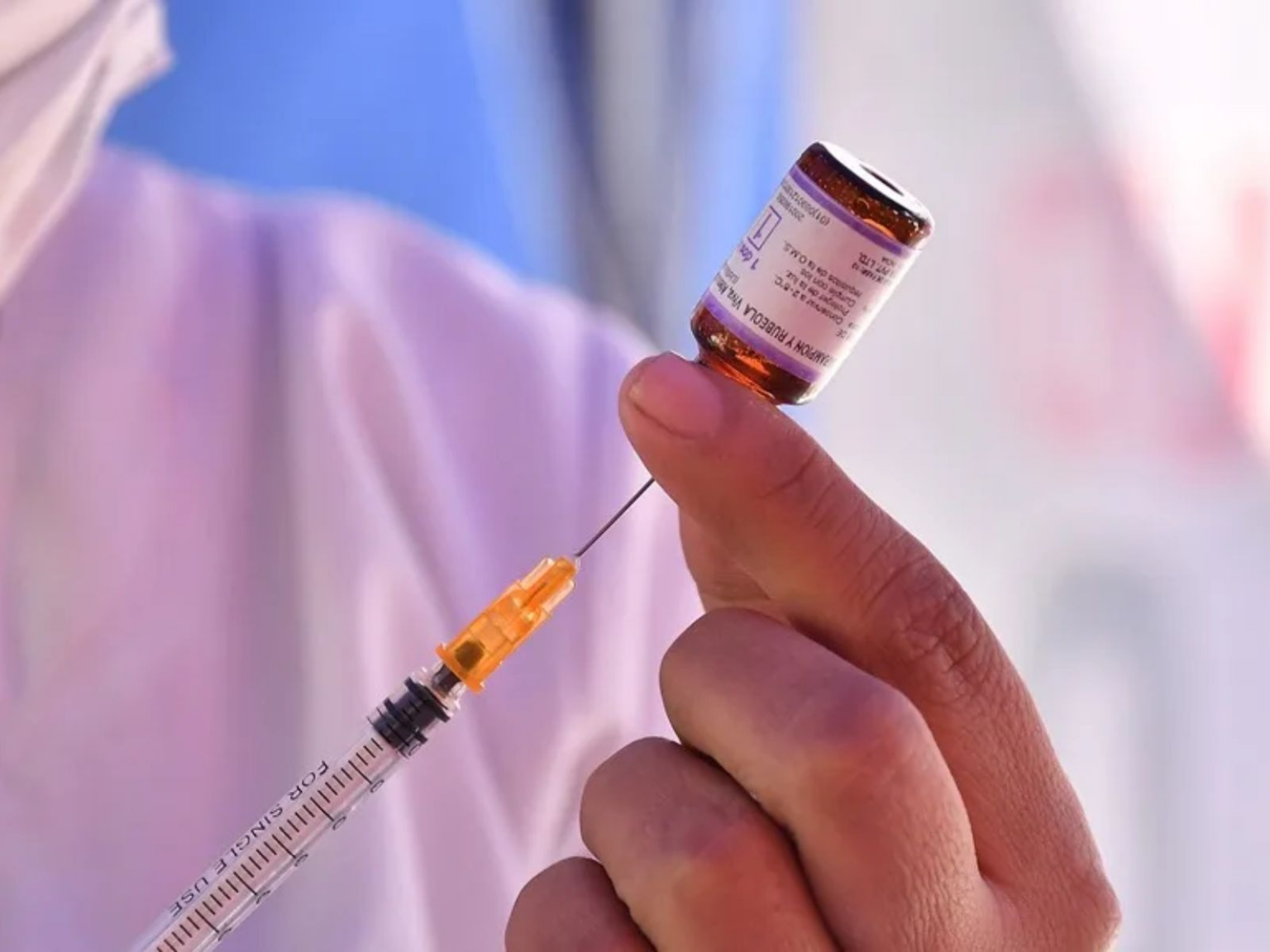
Another growing priority is preventing a secondary health crisis as damaged infrastructure and prolonged displacement create new risks. At Hospital San José in La Guaira, a temporary facility is already treating cases of diarrhea and emerging viruses, while medical workers have warned about patients with chronic conditions such as hypertension, diabetes and epilepsy losing access to regular treatment. Many pharmacies in the state were destroyed or remain closed.
Interim authorities have also stated that financing for a reconstruction process is being discussed with both the IMF and the US State Department.
Some international assistance increasingly reflects those risks. Brazil’s latest six-ton shipment included medicines, laboratory equipment and vaccines, including 250,000 doses against canine rabies and 100,000 against yellow fever. China’s assistance included water-purification and sterilization equipment, while Spain’s Community of Madrid has committed 1 million euros through December for emergency healthcare, psychosocial support and safe drinking water.
Infrastructure recovery efforts
Infrastructure recovery efforts are also beginning. Gen. Francis Donovan, head of the US Southern Command, along with chargé d’affaires John Barrett and Maj. Gen. Kevin Jarrard, who oversees American rescue and emergency task-force operations, has met with interim authorities. They discussed humanitarian assistance, rescue operations, logistics and the rebuilding of damaged infrastructure in La Guaira. Interim authorities have also stated that financing for that process is being discussed with both the IMF and the US State Department. An Israeli delegation is extending its stay in Venezuela for two more weeks to help with debris removal and reconstruction planning.
At Maiquetía, authorities are preparing to use a parallel runway to gradually restore commercial flights while the main runway is repaired, and the International Air Transport Association has offered technical assistance.
Caracas Chronicles is 100% reader-supported.
We’ve been able to hang on for 22 years in one of the craziest media landscapes in the world. We’ve seen different media outlets in Venezuela (and abroad) closing shop, something we’re looking to avoid at all costs. Your collaboration goes a long way in helping us weather the storm.
Donate