
Venezuelans’ Bipolar Relationship with the US
The government that demonized and expelled thousands of our migrants has captured the man responsible for our country’s collapse. A century of admiration faces a conundrum
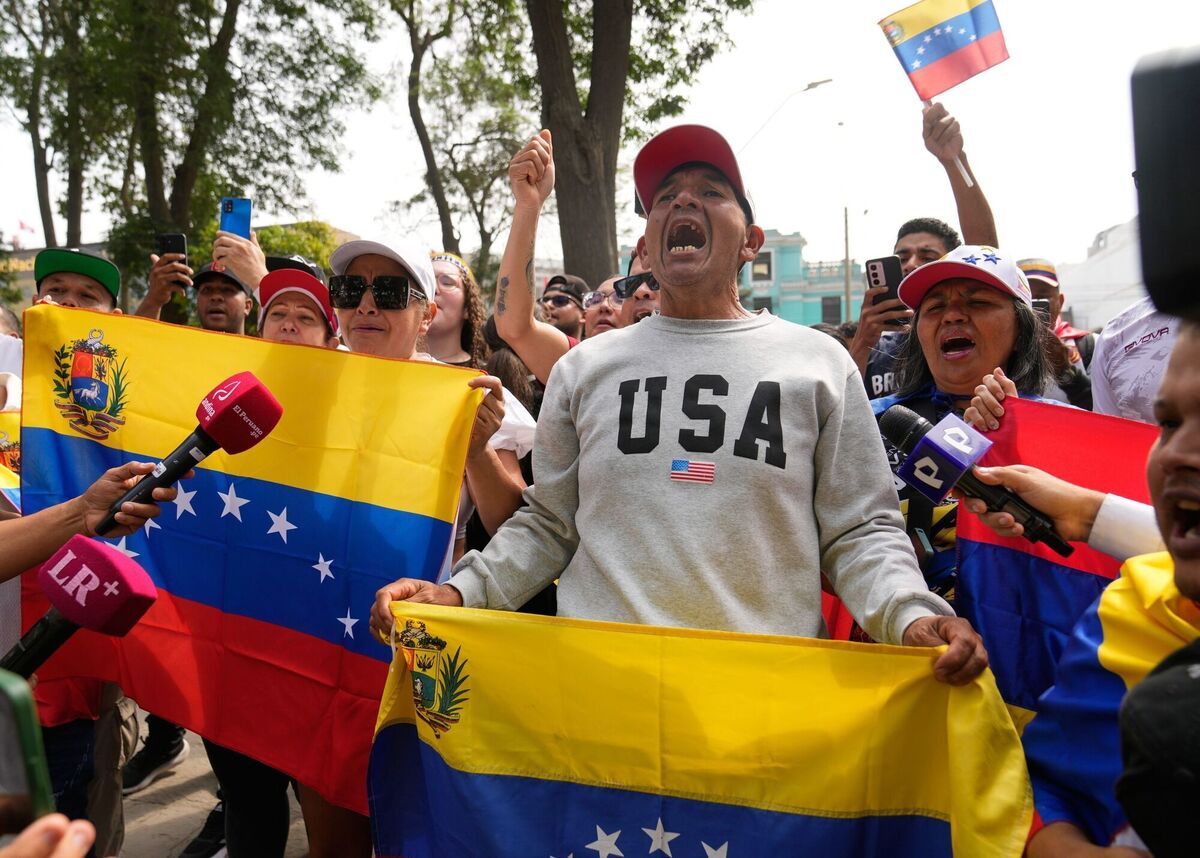
Venezuelans celebrate after President Donald Trump announced that Venezuelan President Nicolas Maduro had been captured and flown out of the country, in Lima, Peru, Saturday, Jan. 3, 2026. (AP Photo/Martin Mejia)
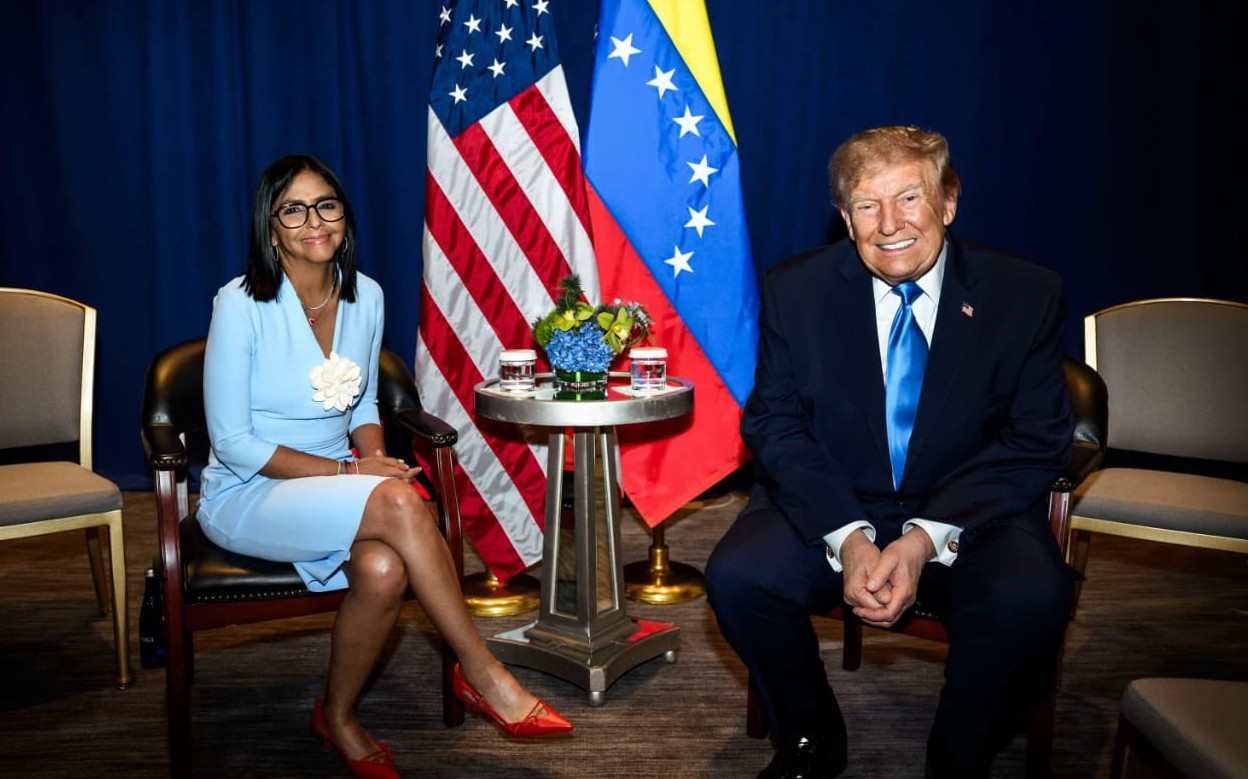
More than eighty percent of Venezuelans say they are grateful to Donald Trump for removing Nicolás Maduro from power. A survey conducted by the Caracas-based firm Meganálisis days after the January 3 military operation found that the same proportion want the United States to become Venezuela’s principal ally and primary supplier of goods. Americans, meanwhile, are deeply split along partisan lines over whether the intervention was justified at all. Why would a nation welcome, almost unanimously, what the rest of the world would recognize as a violation of its sovereignty?
The answer has less to do with the events of January 3 than with a century-long relationship between Venezuela and the US that shaped how Venezuelans understand prosperity and their place in the global economy. But the polls only capture the feelings of those in Venezuela. For the hundreds of thousands of Venezuelans who migrated to the United States, that relationship might look far more complicated.
In his book Venezuela: Memorias de un futuro perdido, the Venezuelan writer Rafael Osío Cabrices describes his childhood in the urban middle class of the 70s and 80s as something like living on The Truman Show: a sunny, comfortable world that felt entirely real but was, in many ways, a stage set. Outside that set there was poverty and crime, but it did not touch the middle class and it was not their problem. That world had been built, in large part, by oil. American companies had arrived in the early twentieth century and built refineries and entire residential communities around them, with their own schools, social clubs, and sports fields.
These enclaves became a model for how Venezuelan middle-class life should look and behave. Venezuela is one of the few countries in South America where children grow up playing baseball rather than football, a legacy of American oil companies like the Creole Petroleum Corporation. By the 1970s, soaring oil revenues had bankrolled highways, skyscrapers, and a consumer boom that made Caracas feel like a modern Western capital.
“Trump is liberating Venezuela,” Carlota said, “and kicking us out of the US.”
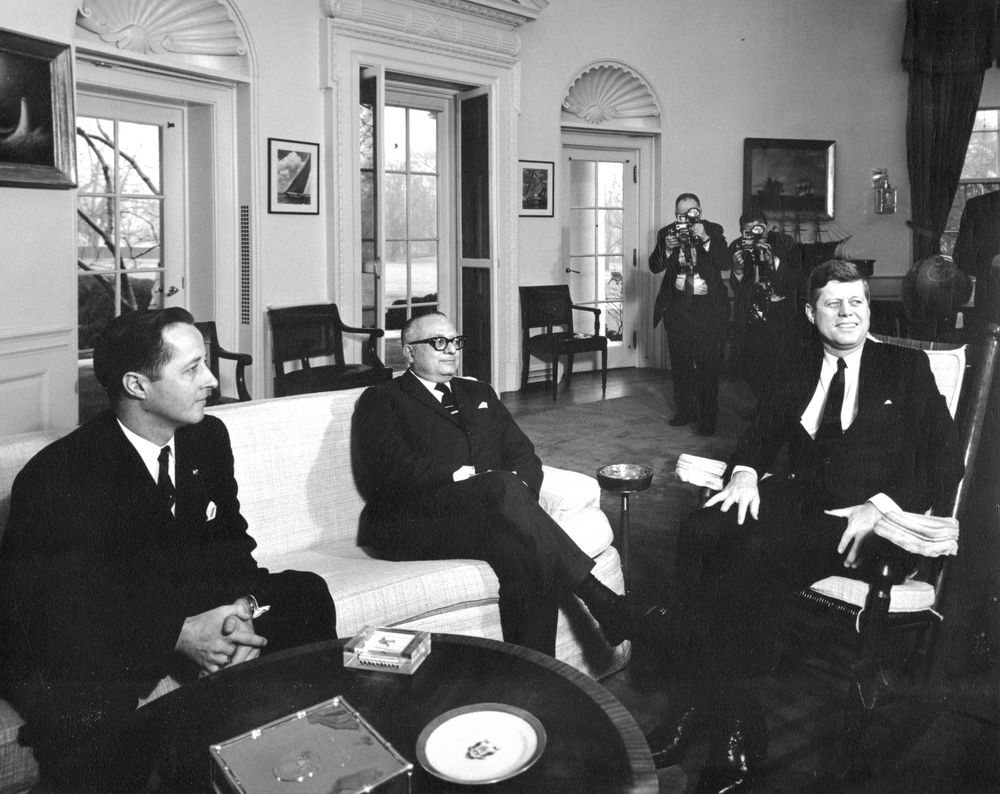
While most of Latin America suffered under military dictatorships, Venezuela enjoyed decades of democracy and relative prosperity. The US was a cultural compass and a role model for Venezuela’s middle class.
Behind the stage set of the middle class, a different country existed, one that was poorer, largely rural, and excluded from the reach of the oil-fueled modernization project. Oil revenues would fund infrastructure like schools and hospitals, and the poor would be lifted toward the middle-class standard. But until that process was complete, the poor were expected to remain at the margins of the cities that oil had built and to trust that their turn would come. The arrangement held for as long as the oil money lasted and social mobility was possible.
In the 80s, oil prices collapsed and social mobility stagnated. Hugo Chávez, a former military officer who looked and spoke like the ordinary Venezuelan, offered the poor a different deal. He promised to redirect the country’s oil wealth away from the middle class and toward the millions who had spent decades at the margins of Venezuela’s prosperity, making them, for the first time, the center of the national project.
He accused the old elite of being vendepatrias, traitors who had sold the country’s resources to the United States to enrich themselves while keeping the majority poor. He promoted diplomatic animosity with the United States, nationalized key industries, and created a legal environment so hostile that many of the same American oil companies that had shaped Venezuela’s middle class left the country.
But Chávez’s revolution and the authoritarian government of his successor Nicolás Maduro drove Venezuela into economic and humanitarian collapse, which forced eight million Venezuelans to leave the country. That number cuts across every class, but for the middle class, the United States was the most natural destination because they had developed cultural affinities and admiration for its solid, democratic institutions. Many migrated legally, looking for the stability and safety Venezuela no longer offered them.
If they return to Venezuela, the old admiration for US values that the poll reflects might not have the same unquestioned acceptance.
During my fieldwork researching Venezuelan migration in the US, conducted in New York and Miami, a clear pattern emerged among middle-class Venezuelans. They had hoped for their legal status to translate into permanence. They believed in “doing things the right way”, the legal way. But the same administration that brought Maduro to justice revoked their protections, and many middle-class families find themselves amid removal proceedings. Carlota, a doctor in Venezuela who now works a low-skilled job in Miami, told me she feels “bipolar.” “Trump is liberating Venezuela,” she said, “and kicking us out of the US.”
As the Venezuelan journalist Boris Muñoz has written, many would accept the uncomfortable idea of becoming a protectorate of a foreign power if it meant restoring even a fraction of what they had before, when Caracas felt closer to Miami than to the rest of Latin America. While that feeling resonates powerfully in Venezuela, it might resonate differently among the middle class who made it to Miami and are now being told to leave.
The Meganálisis poll captures a country whose relationship with the US was shaped by a century of partnership and solidified by chavismo’s failed “anti-imperialist” project. For a country whose development and place in the global economy was shaped by that partnership, welcoming American involvement again does not feel like an imperial invasion. It feels like “going back” to a better future. But the poll does not capture the feelings of those whose attachment to the United States runs deepest, those who were most shaped by its century-long influence over Venezuela and who tested that attachment by making the US their home.
After having experienced the humiliation of stigmatization, labor exploitation, and legal precarity, their relationship with the cultural and political compass that once guided them has been seriously altered. If they return to Venezuela, the old admiration for US values that the poll reflects might not have the same unquestioned acceptance among those who were its most fervent believers.
Caracas Chronicles is 100% reader-supported.
We’ve been able to hang on for 22 years in one of the craziest media landscapes in the world. We’ve seen different media outlets in Venezuela (and abroad) closing shop, something we’re looking to avoid at all costs. Your collaboration goes a long way in helping us weather the storm.
Donate