
Venezuela's Diaspora “Goes Home” One Concert at a Time
As returning to the patria feels possible again, the shows of Danny Ocean and Rawayana help Venezuelans abroad reimagine the future
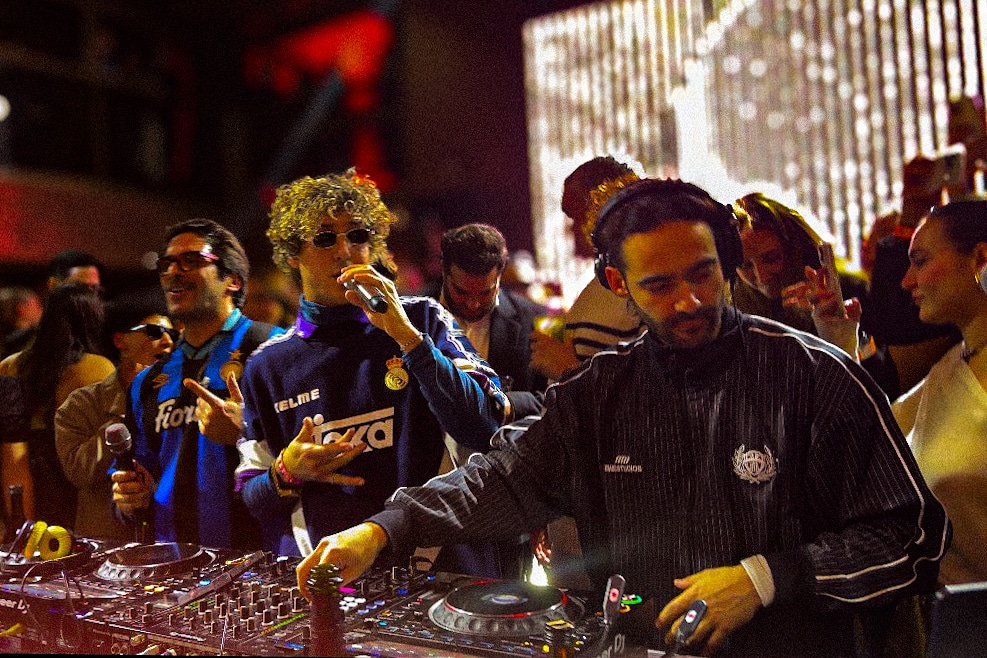
Venezuelan artists have never been more global than now, and it’s no coincidence that the cities where their tours sell out fastest map almost perfectly onto where the diaspora landed.
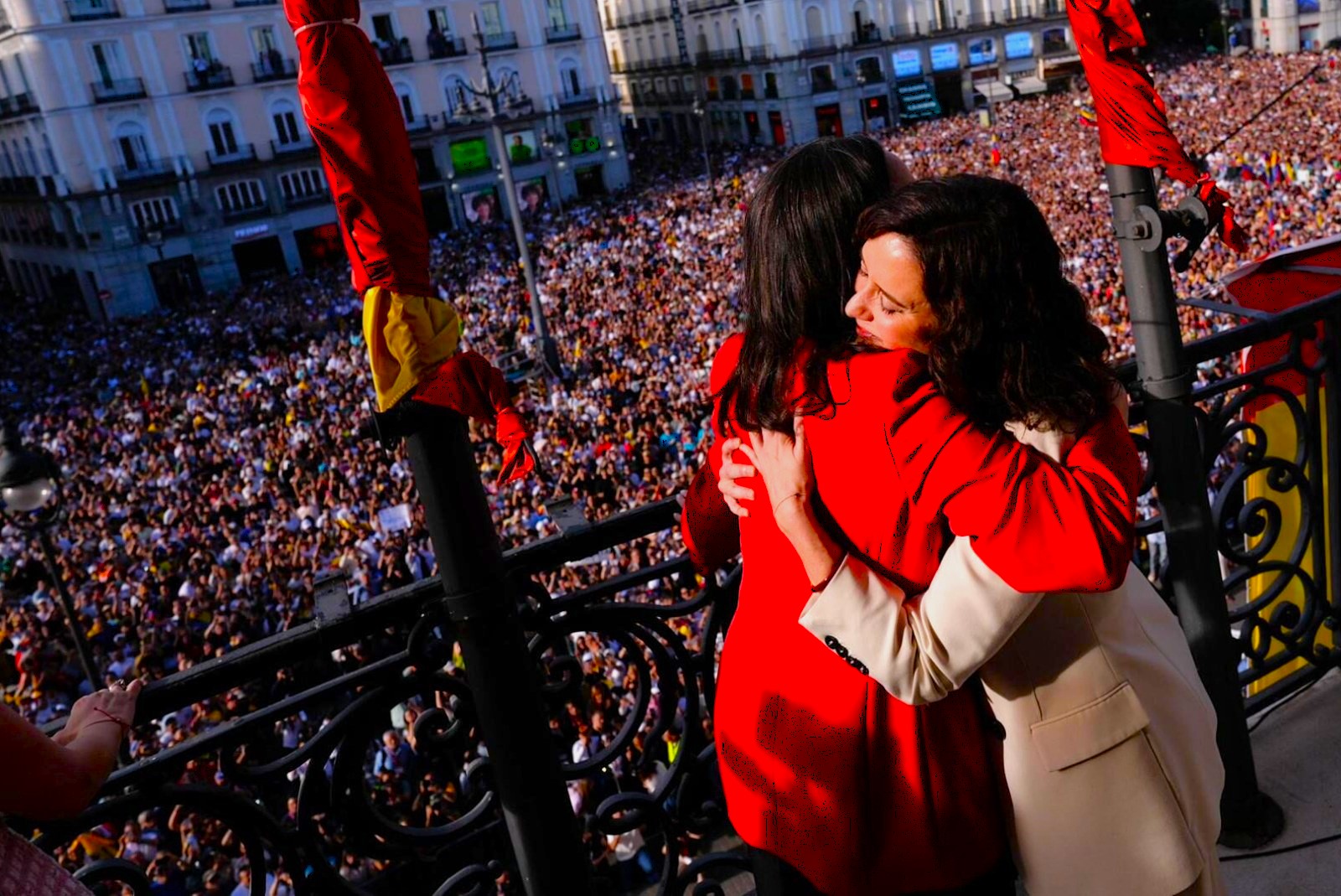
Madrid’s Movistar Arena, with a capacity for more than 15,000 spectators, hosted multiple sold out shows for top Venezuelan artists: Danny Ocean in February and Rawayana in May. Both concerts were packed almost exclusively with Venezuelans.
The excitement was palpable in the nearby Plaza de Salvador Dali, as attendees lined up for Danny Ocean’s show. Three months later, stepping off the metro before Rawayana’s concert, I was greeted by a sea of white baseball shirts, La Vinotinto jerseys and gorras tricolor. Madrid is home to over 200,000 Venezuelans, our accent can be present in any street. And yet, it felt strange to see so many of us in just one place, as though I could visualize a minuscule fraction of our diaspora.
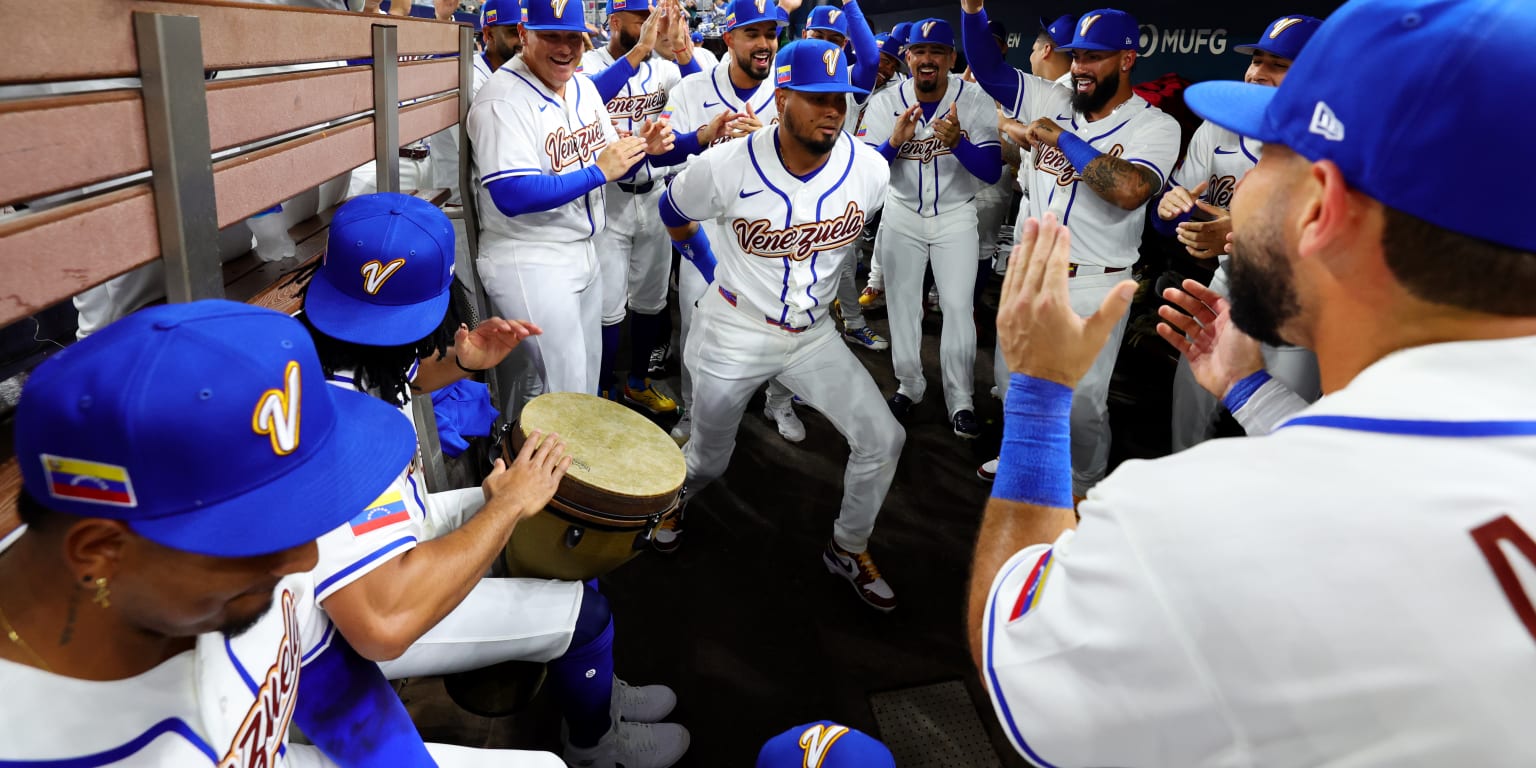
This unprecedented international success is, in part, surprising. Venezuela lacks the kind of music industry that exists in neighboring countries like Colombia and nearby Dominican Republic, who have been exporting local talent for years. Despite this disadvantage, artists like Danny Ocean, Los Mesoneros, and Rawayana are performing in venues across the world. And their rise in popularity reflects not just their talent, but also the story of a country whose people have had to start over elsewhere.
Though both acts have catalogues full of upbeat, catchy songs, they also weave in migration and national identity, forcing Venezuelans to reckon with our collective past and experience.
For the Venezuelans packing these venues, these concerts have become a source of pride and inspiration. One friend I spoke to said “It was inspiring to feel that everything they’re doing, all the work they’ve put in, is worth it. That no matter how many hardships all of us Venezuelans have gone through, and in some ways are still going through, we can reach the highest heights in the world.” In many ways, these concerts are about more than just the music.
Emotional hangover
Artists are aware of this. Every Venezuelan attending these concerts in Madrid shared one thing: we all left. So did the performers on stage. Danny Ocean became an overnight sensation in 2016 with his single “Me rehúso”, an anthem to both Venezuelans leaving loved ones and the ones that stayed behind. The release of the track coincided with a wave of migration as increasingly more Venezuelans were moving abroad.
Reflecting on his success with the song, Ocean said: “I think that many Venezuelans feel identified with my story because we all had to go through the same thing: leave our country and start from scratch in a foreign place where we know we have to work twice as hard.”
Between the image of the Ávila projected at Danny Ocean’s concert to Rawayana’s lyrics, infused with cultural references and national slang, for a few hours those concerts felt like finding Venezuela again. With Maduro gone and a return to the country feeling possible for the first time in years, they have also become a place where the diaspora is collectively processing what comes next. Many left with mixed emotions, some even calling the aftermath una resaca emocional.
Though both acts have catalogues full of upbeat, catchy songs, they also weave in migration and national identity, forcing Venezuelans to reckon with our collective past and experience. Even as I danced there was a lingering sadness in knowing what brought thousands of us to the same space, a continent away from home. When Elena Rose showed up at Danny Ocean’s concert to sing “Caracas en el 2000,” I could almost hear people’s voices break as they sang quiero volver, quiero volver, ay, ¿cuando?. A desperate, pained plea sent out into the void.
Each time there was a niche cultural reference, it felt as though we were all privy to the same inside joke. Migrating often means adapting our vocabulary and cultural references.
“I started to think about a million questions,” said one friend after the Rawayana concert. “What if the regime hadn’t taken all this from us? What if I hadn’t needed to leave?”
The rare, fleeting moments where the diaspora reunites have a way of bringing up these existential questions that contemplate a life without exile. They open up old wounds. The anger at what the regime stole, the grief of families torn apart, the despair of watching a country crumble. And underneath it all, a melancholy at not knowing what comes next.
But, much like our national spirit, there was also joy. A sense of camaraderie, of belonging among the crowd. That felt especially true when everyone sang “Mano, te lo juro, Venezuela no falla” from Rawayana’s “Veneka”—followed by the crowd chanting “Culo’, playa, Mérida, Canaima” with such pride it almost felt like they were singing the national anthem instead.
Each time there was a niche cultural reference, it felt as though we were all privy to the same inside joke. Migrating often means adapting our vocabulary and cultural references. It can even loosen our grip on our national identity. These concerts offered a pause from that, momentarily anchoring us back to the place we’re from. “It felt like I was in my own skin again,” said one Venezuelan, who migrated to Spain three years ago.
Venezuelan musicians have been touring abroad for years. This time, there’s a key difference: the political status quo has been disrupted.
Danny Ocean’s concert was held just one month after Maduro’s capture on January 3rd. Two months earlier, he had been in Oslo alongside María Corina Machado for her Nobel Peace Prize ceremony. When he sang the line Caracas en diciembre maybe, the crowd at the Movistar Arena sang it back louder than anything else that night, brimming with optimism that had seemed long gone.
Across the Venezuelan diaspora, artists have found ways to address complicated feelings about home: frustration, nostalgia, joy, pride, sadness, hope. For so many Venezuelans who can’t go home, music has been the closest thing to it. One song, one concert at a time.
Caracas Chronicles is 100% reader-supported.
We’ve been able to hang on for 22 years in one of the craziest media landscapes in the world. We’ve seen different media outlets in Venezuela (and abroad) closing shop, something we’re looking to avoid at all costs. Your collaboration goes a long way in helping us weather the storm.
Donate