How Chavismo Covers Up the Murder of a Policeman
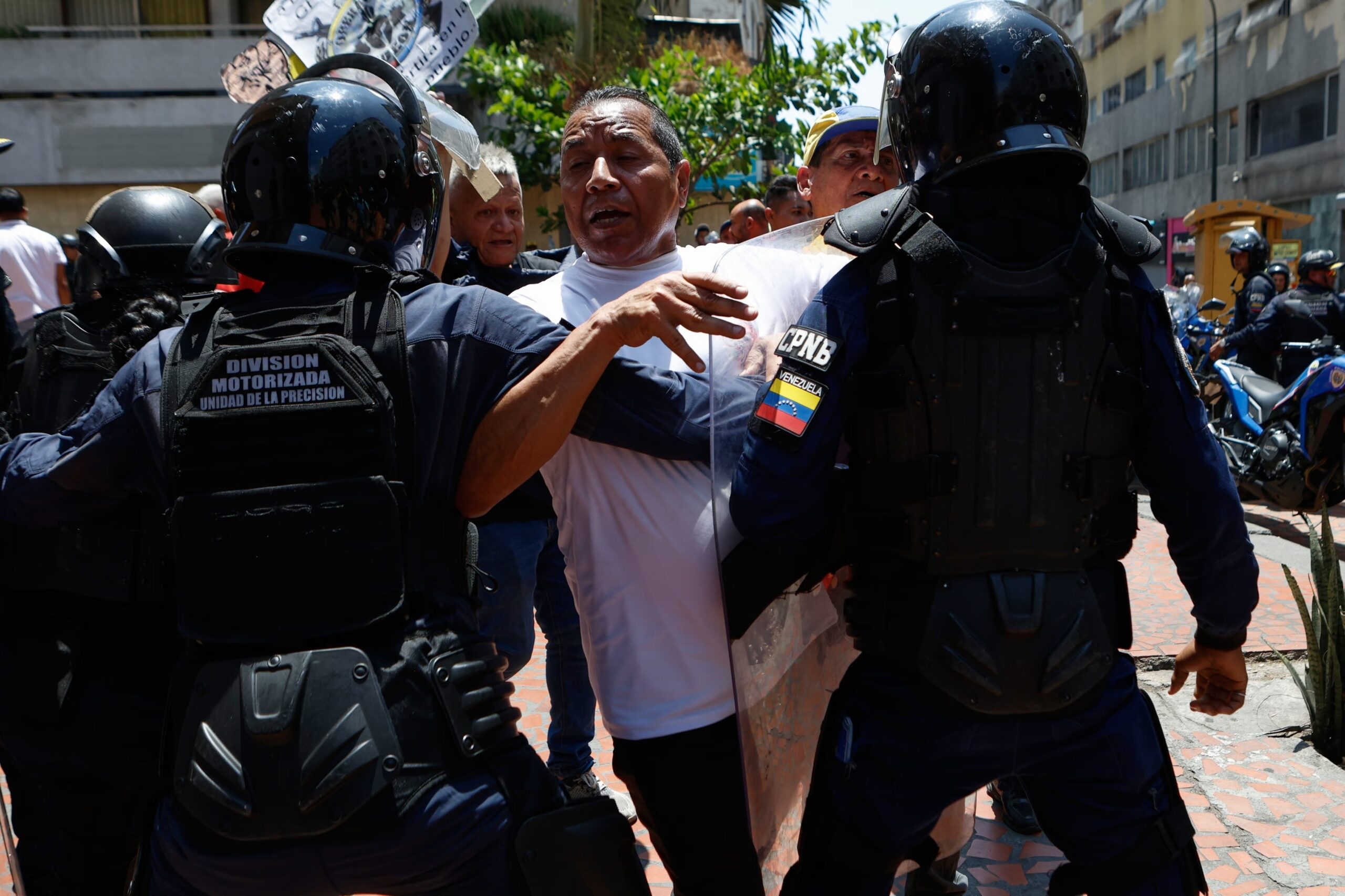
Days after Maduro’s ouster, PNB veteran Edison Torres died with signs of physical trauma missing from his death certificate. Authorities chose not to probe anything
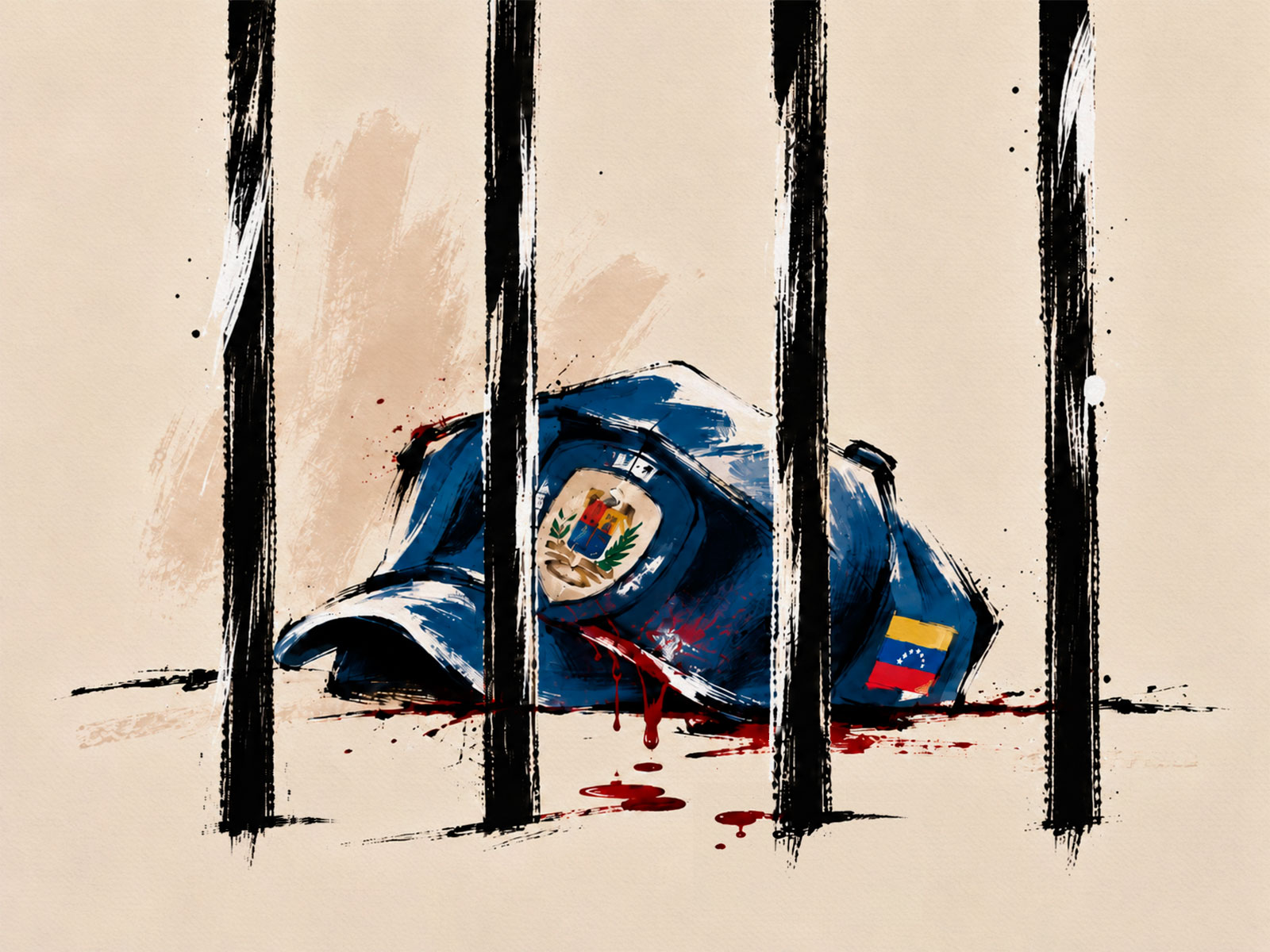

Days after Maduro’s ouster, PNB veteran Edison Torres died with signs of physical trauma missing from his death certificate. Authorities chose not to probe anything
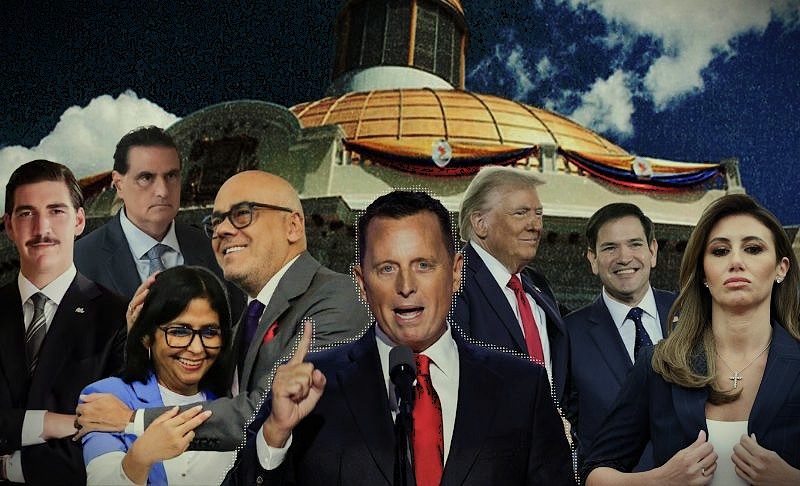
Richard Grenell failed to become Trump’s man in Caracas. A fresh scandal threatens him, just after the White House fired two of his friends
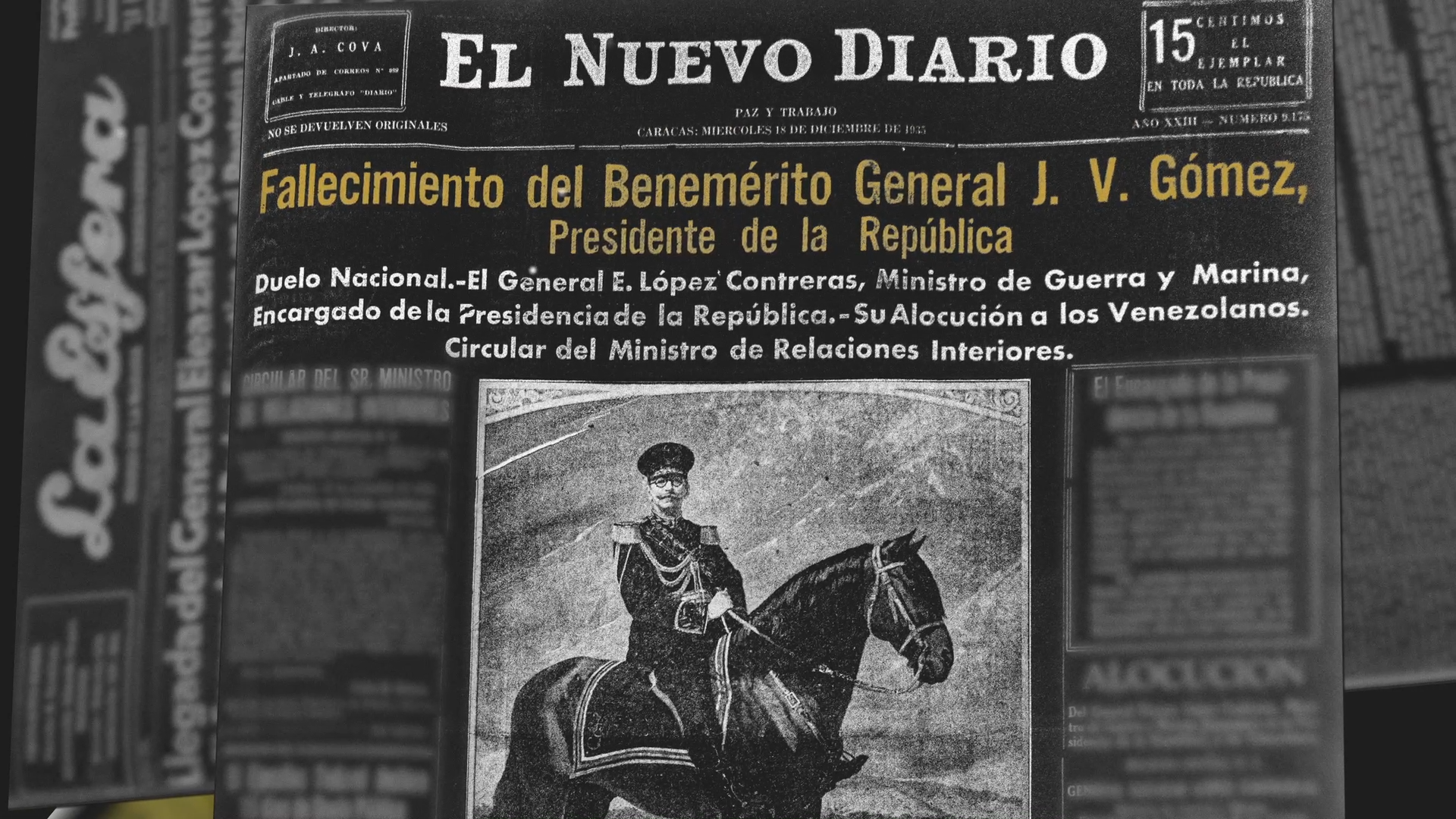
“El año en que se perdió el miedo al poder” retells a pivotal moment in our history, or a 90-year-old reflection of current events
It’s official. The US will also prosecute the Brooklyn-based couple over the imprisonment and cruel treatment of American citizens.
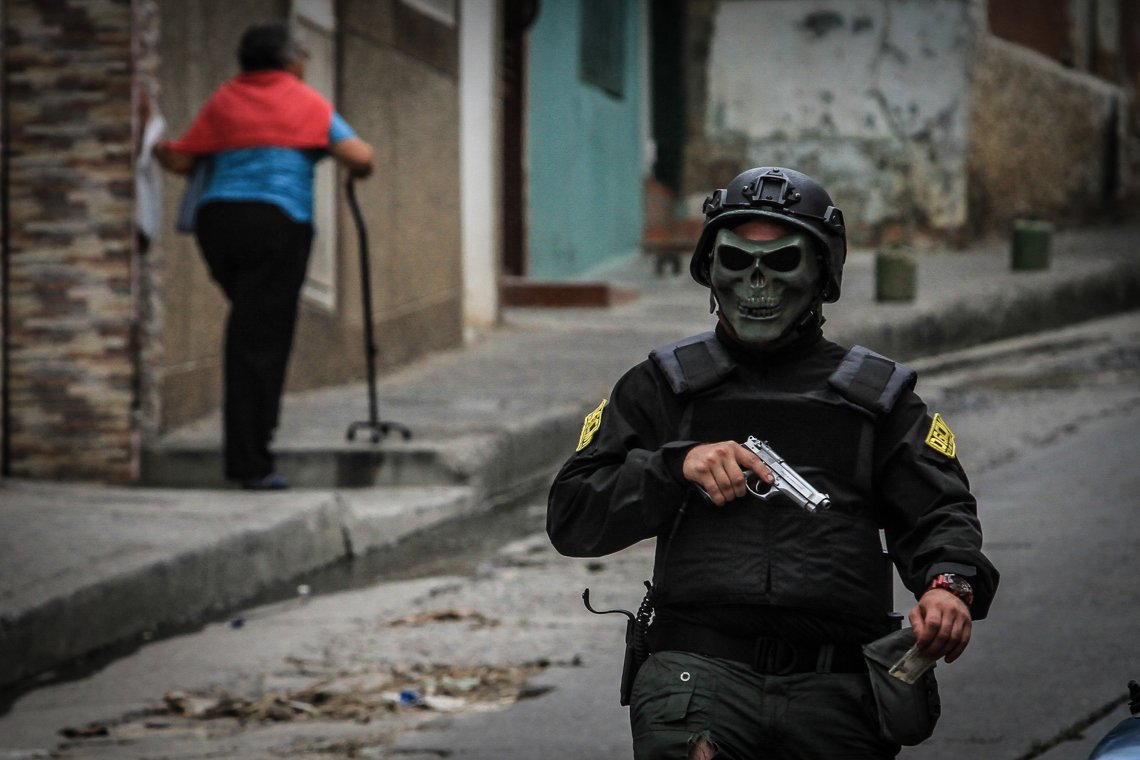
The government needs to make it seem like they’re doing something to solve the crisis they generated or win the war they invented, but they don’t just arrest the people who are allegedly guilty. They come for their family members to bait them.
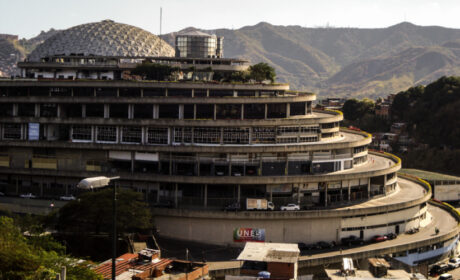
More and more governments in the world are working to release Maduro from international isolation, as if nothing has happened. But the International Criminal Court is still working, and human rights continue to be under severe threat
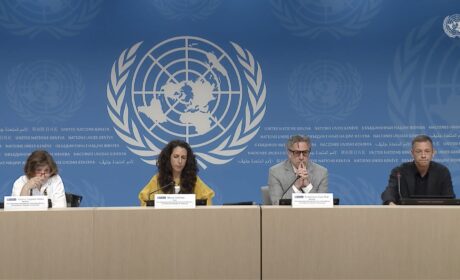
Chavismo’s reign of terror is also built on the systematic arrest of foreign nationals as bargaining chips, the UN notes. A practice that foreign countries seem unable to counter
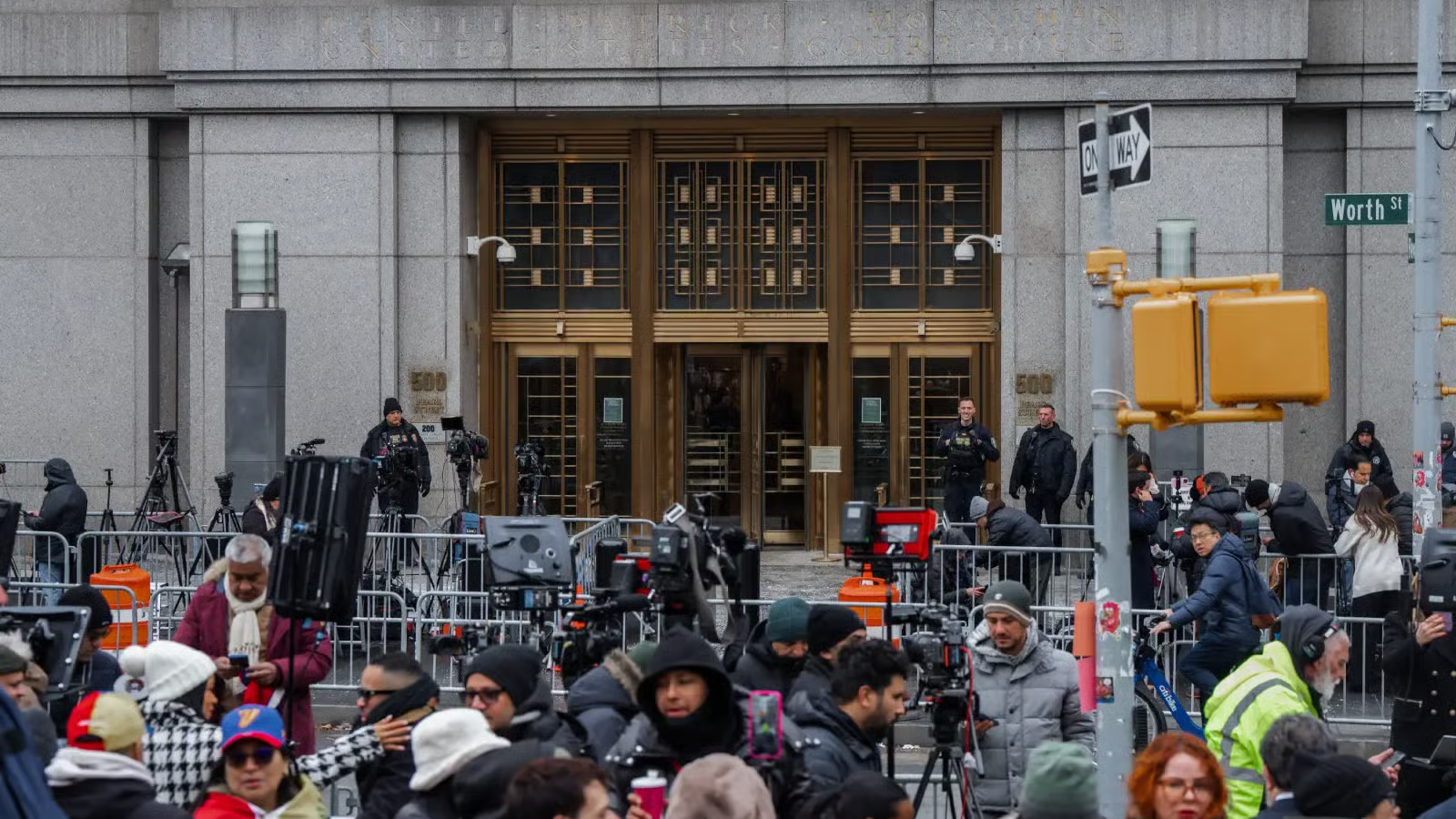
In an ironic plot twist, Maduro now invokes constitutional protections that his own regime routinely denied to political prisoners. But his case is not as black and white as it seems
A string of Venezuela-related stuff delivered straight to your inbox.
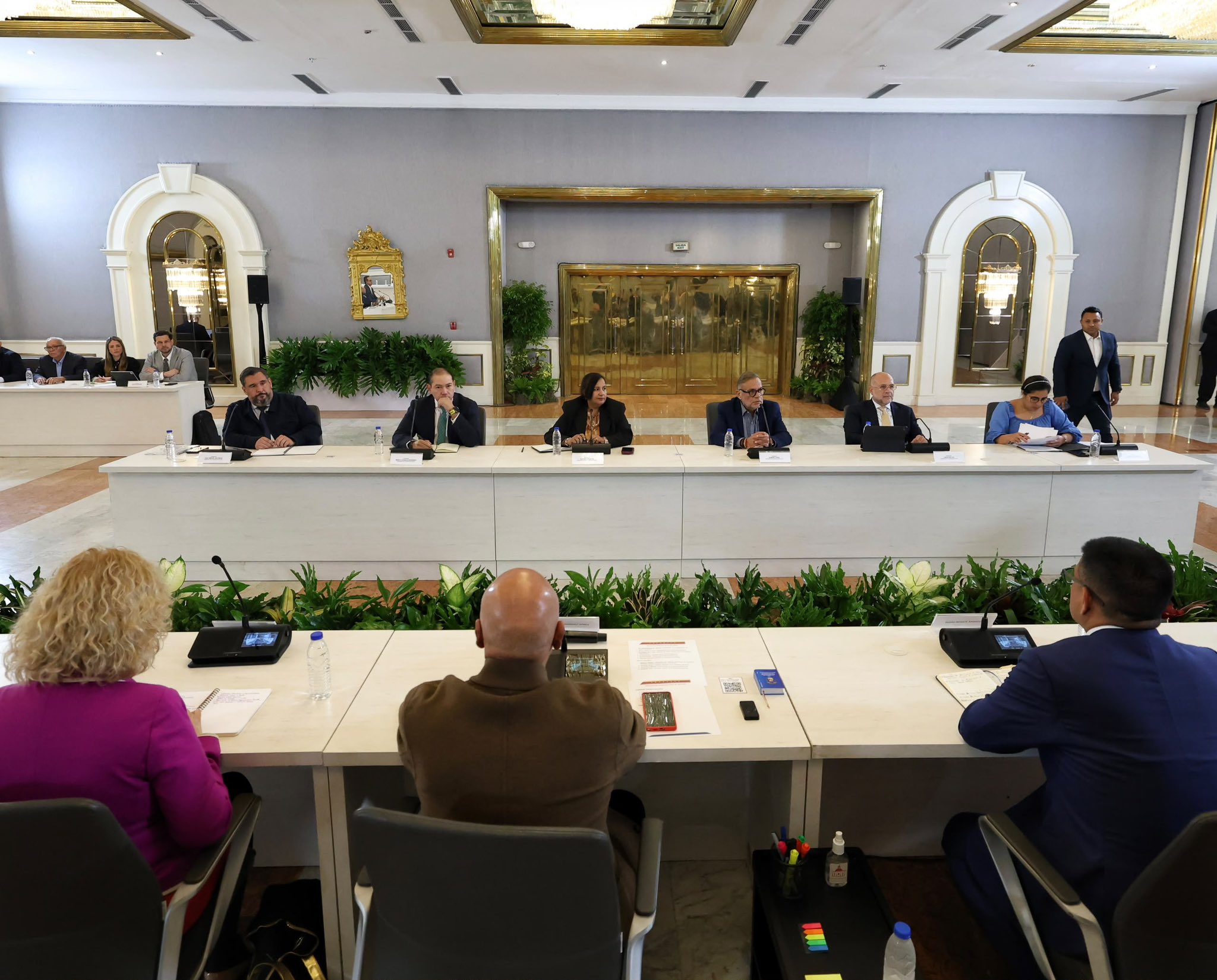
Since sudden and sweeping change did not arrive, we should learn to navigate the costs and uncertainties of a process we have no choice but to influence
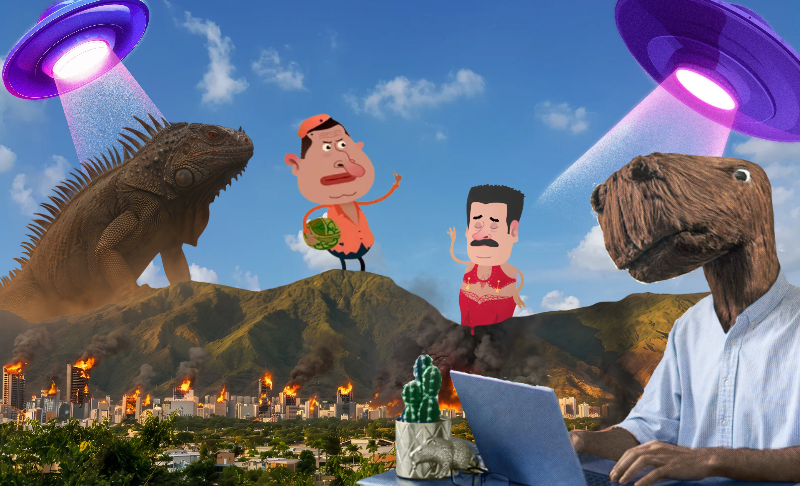
Our beloved capybara can tell us a lot about how we use humor to process constant change
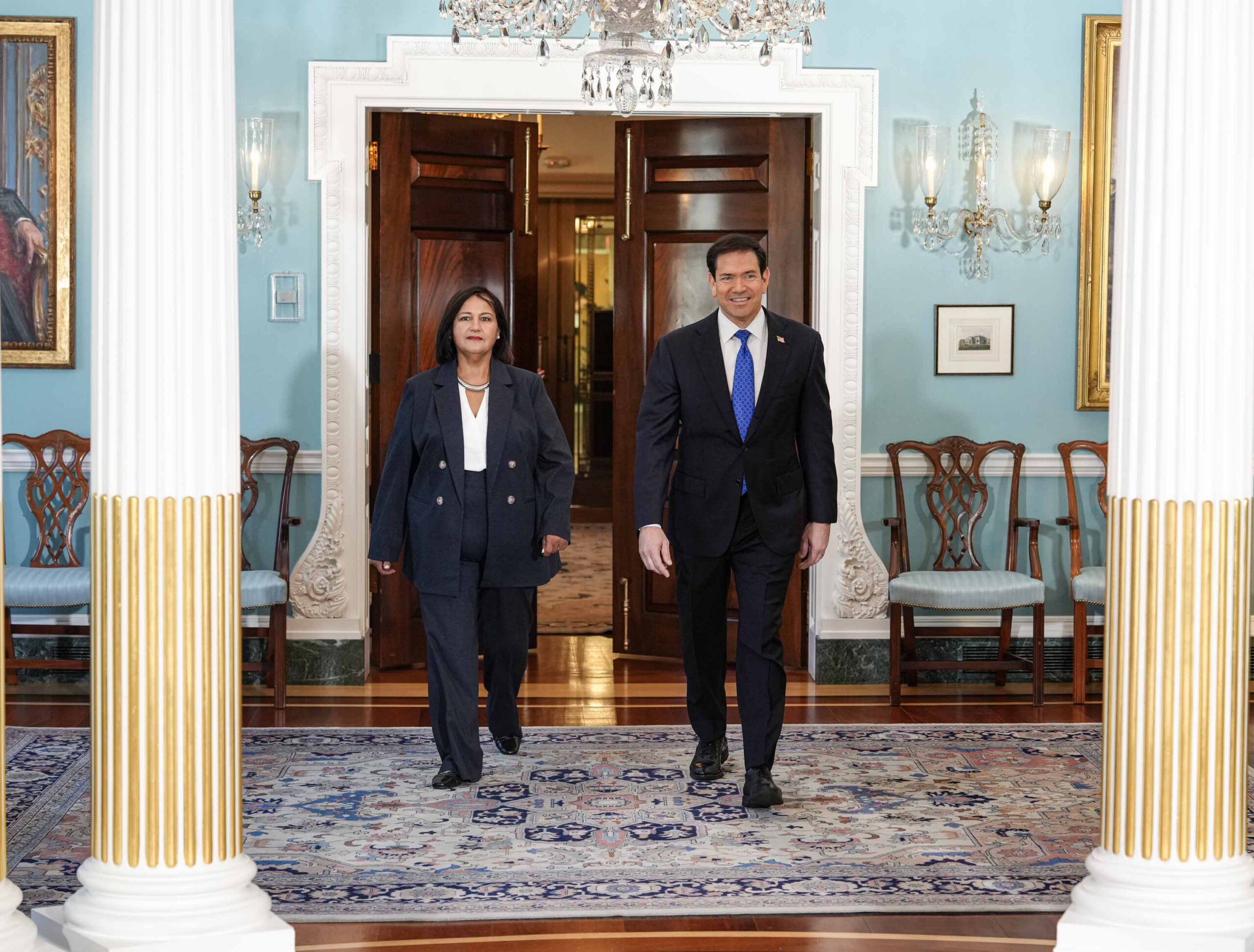
The long wait for Venezuelan voters could expose the calculations of different actors
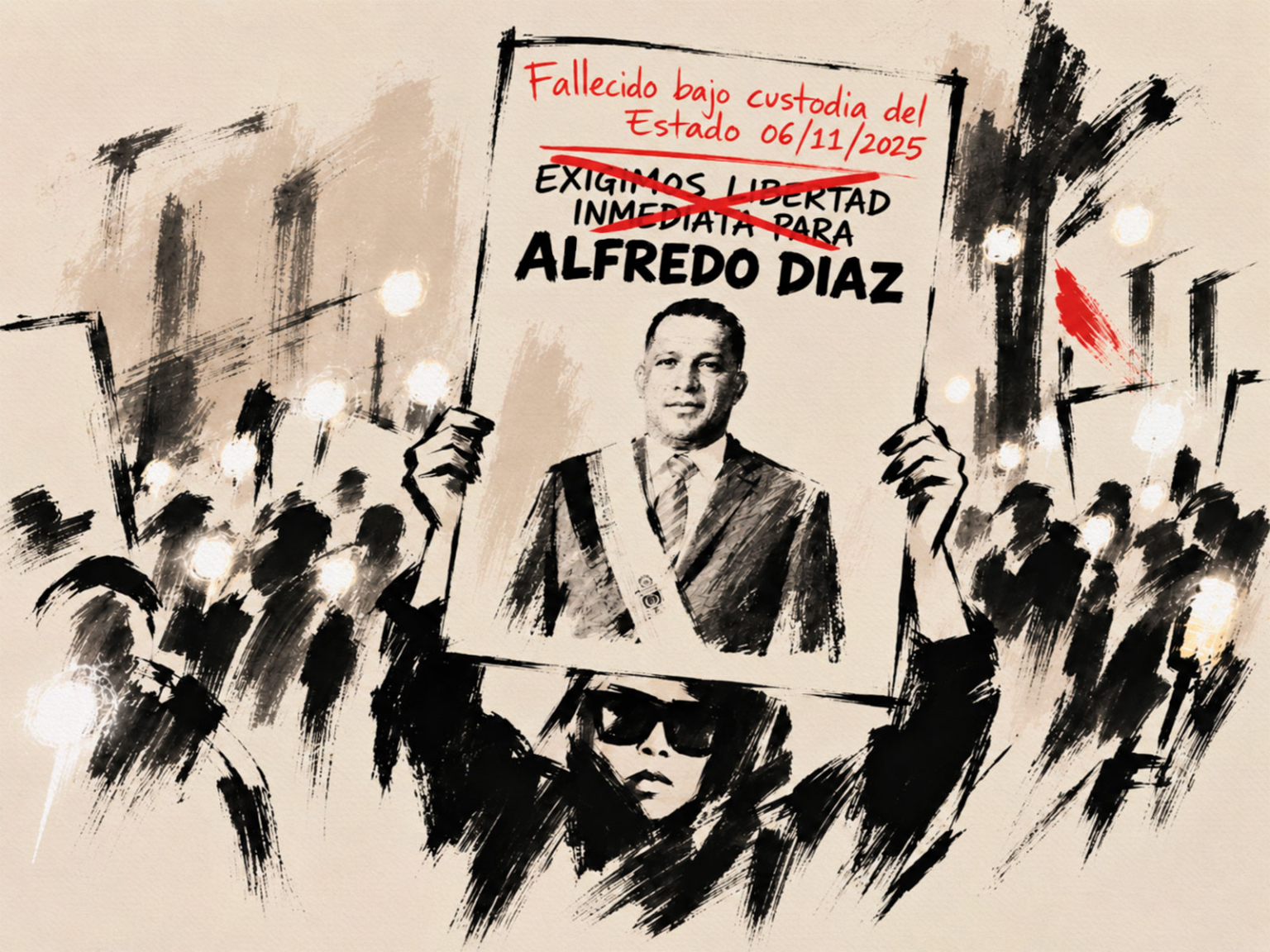
The State deprived a former governor of medical care despite clear warning signs

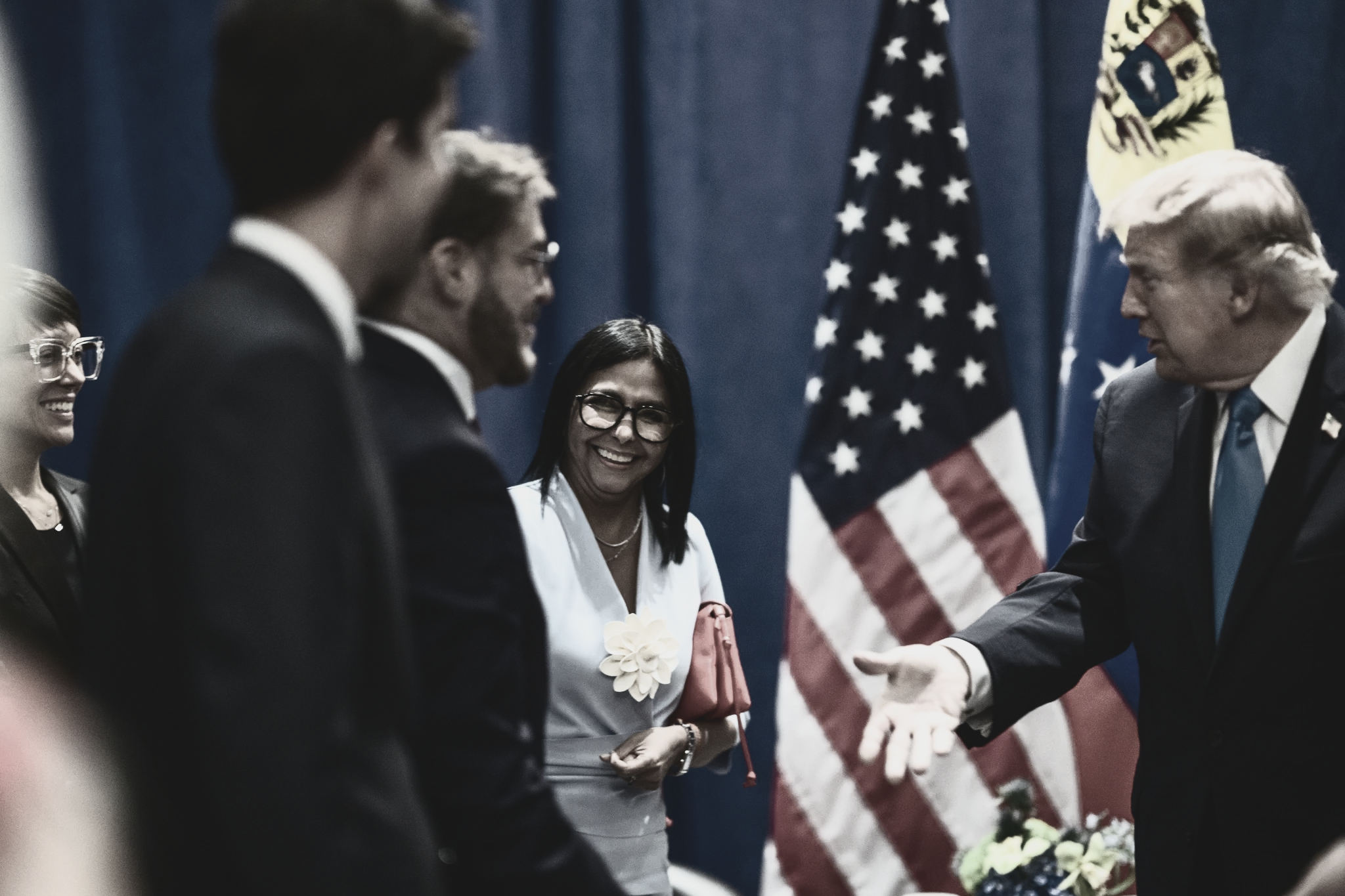
By shedding slogans and key operatives, the Rodríguez siblings bet on turning the conflict with the opposition to their advantage