
Holy Week Also Tested Change in Venezuela
While families of political prisoners prayed for liberations, the local burning of Judas effigies signaled how censorship remains in place
Photos by Omar Ponceleón
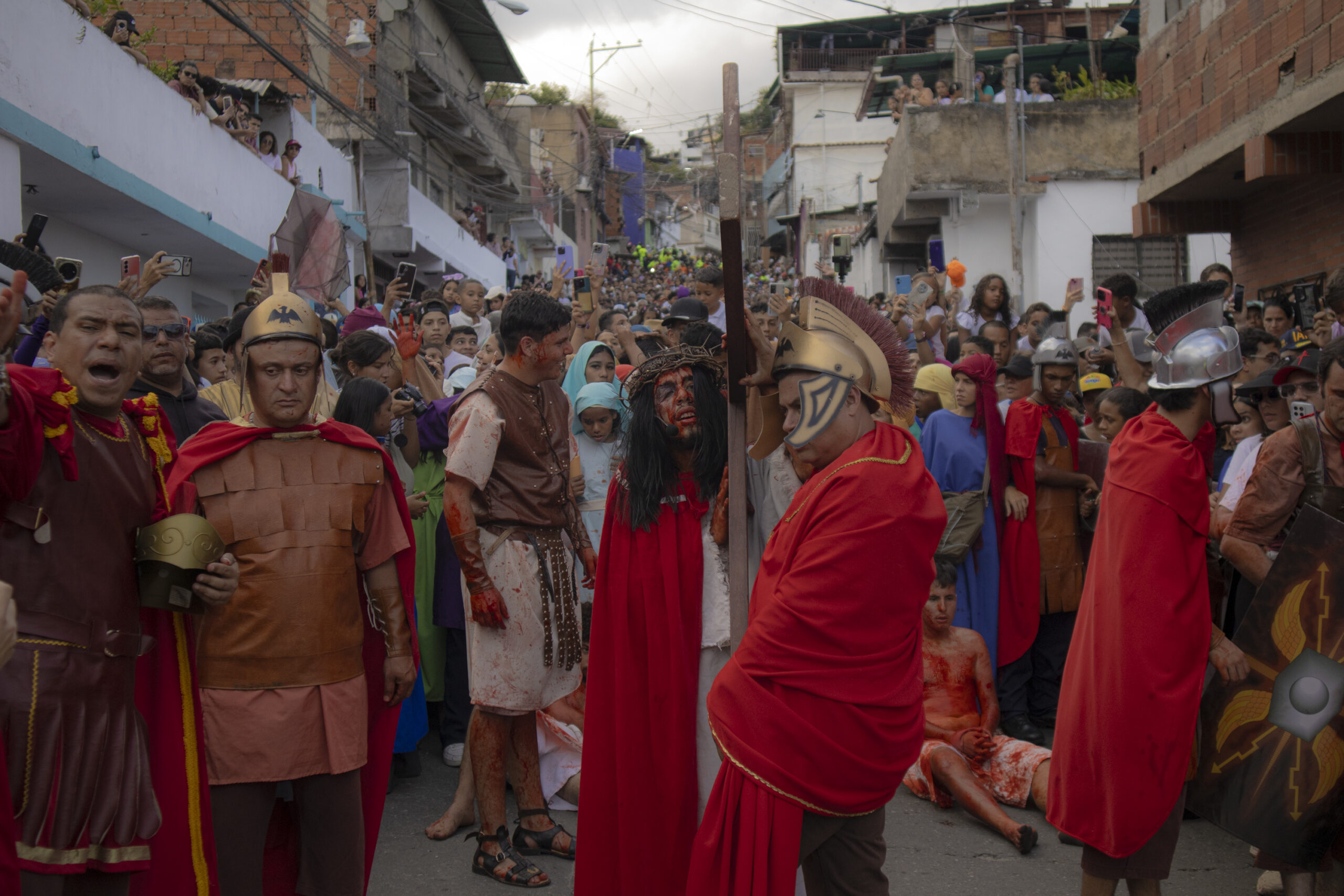
Although many people travel to the beaches, rivers, or mountains of Mérida during Holy Week, many also stay in the cities to enjoy the quieter streets and join those who participate in the schedule of processions, masses, and gatherings at the most important Catholic churches.
In Caracas, the palmeros of Chacao begin their ascent of Ávila Mountain in search of palm fronds to be blessed on Palm Sunday, while other parishioners gather with the procession of the Nazarene on Holy Wednesday in the city center. Some dress in purple and carry orchids, visiting cathedrals and fulfilling vows, as it’s is done in other parts of the country.
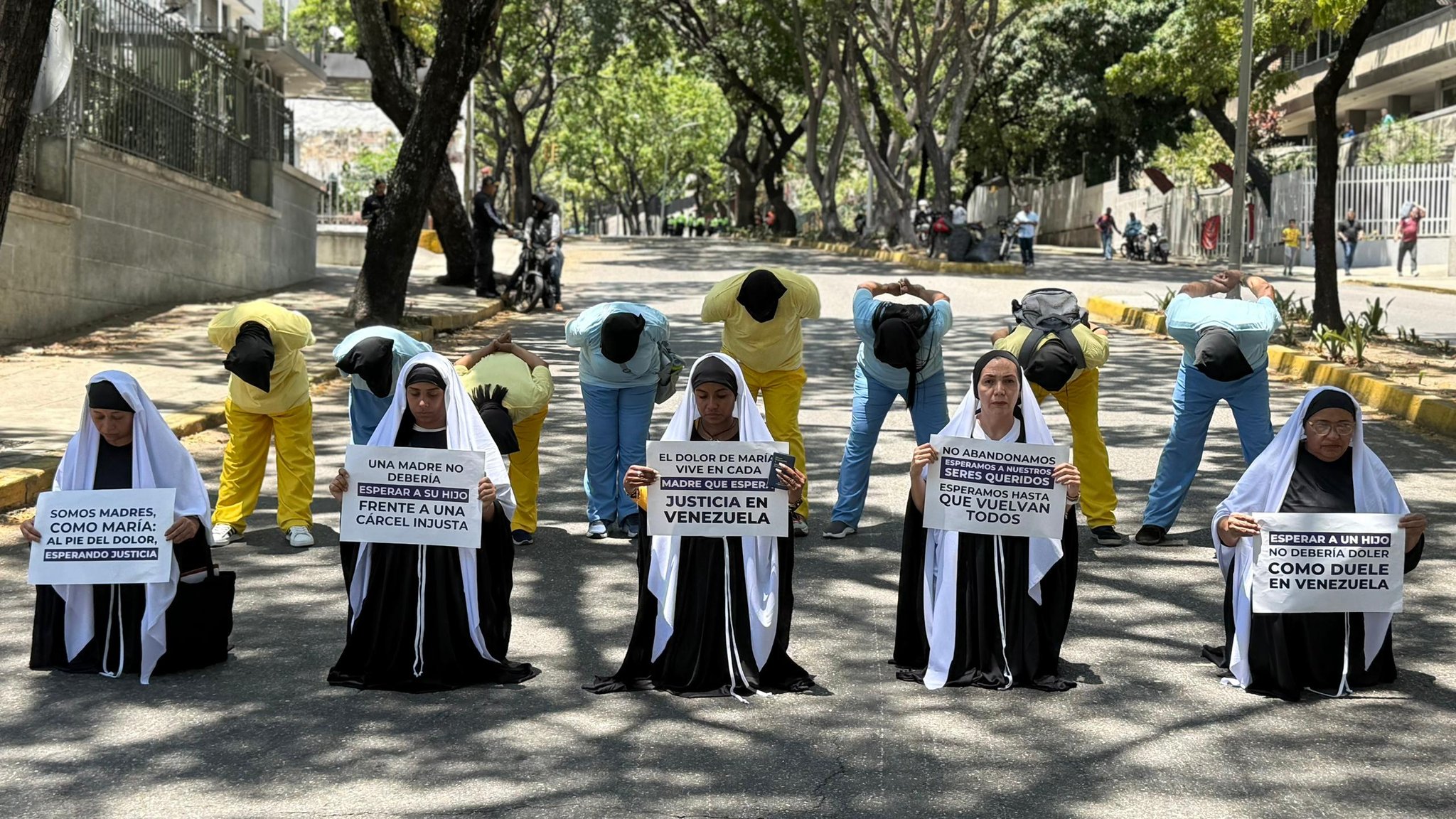
Amidst this agenda, the prayers and cries of mothers pleading for the release of their imprisoned children can be heard. They are preparing to make their own pilgrimage to the Seven Temples, an activity that symbolizes Jesus’ journey to the Garden of Gethsemane. But on this occasion, it is the Venezuelan mothers’ own Gethsemane. For in today’s Venezuela, religion and politics are inseparable. A prayer can also be a cry for justice.
Starting from the church of La Candelaria, the mothers, sisters, daughters, and other relatives of detainees, accompanied by activists and parishioners, called for the freedom for all political prisoners.
“There are more than 600 people detained in cruel and unjust centers,” said Diego Casanova, a member of CLIPPVE (Committee for the Freedom of Political Prisoners).
Carlos Julio Rojas, who has been arbitrarily detained on four separate occasions—his last imprisonment lasting two years in El Helicoide—demanded his full release. “We want them to close El Rodeo, Tocorón, and Fort Guaicaipuro,” denounced Jesús Armas, an activist and leader, who was also imprisoned in El Helicoide for a year and two months. “We want them to close all the places where human rights have been violated,” Armas demanded amidst mothers who are also demanding the release, and even proof of life, of their children, as is the case of Carmen Navas, who has been searching for her missing son for months.
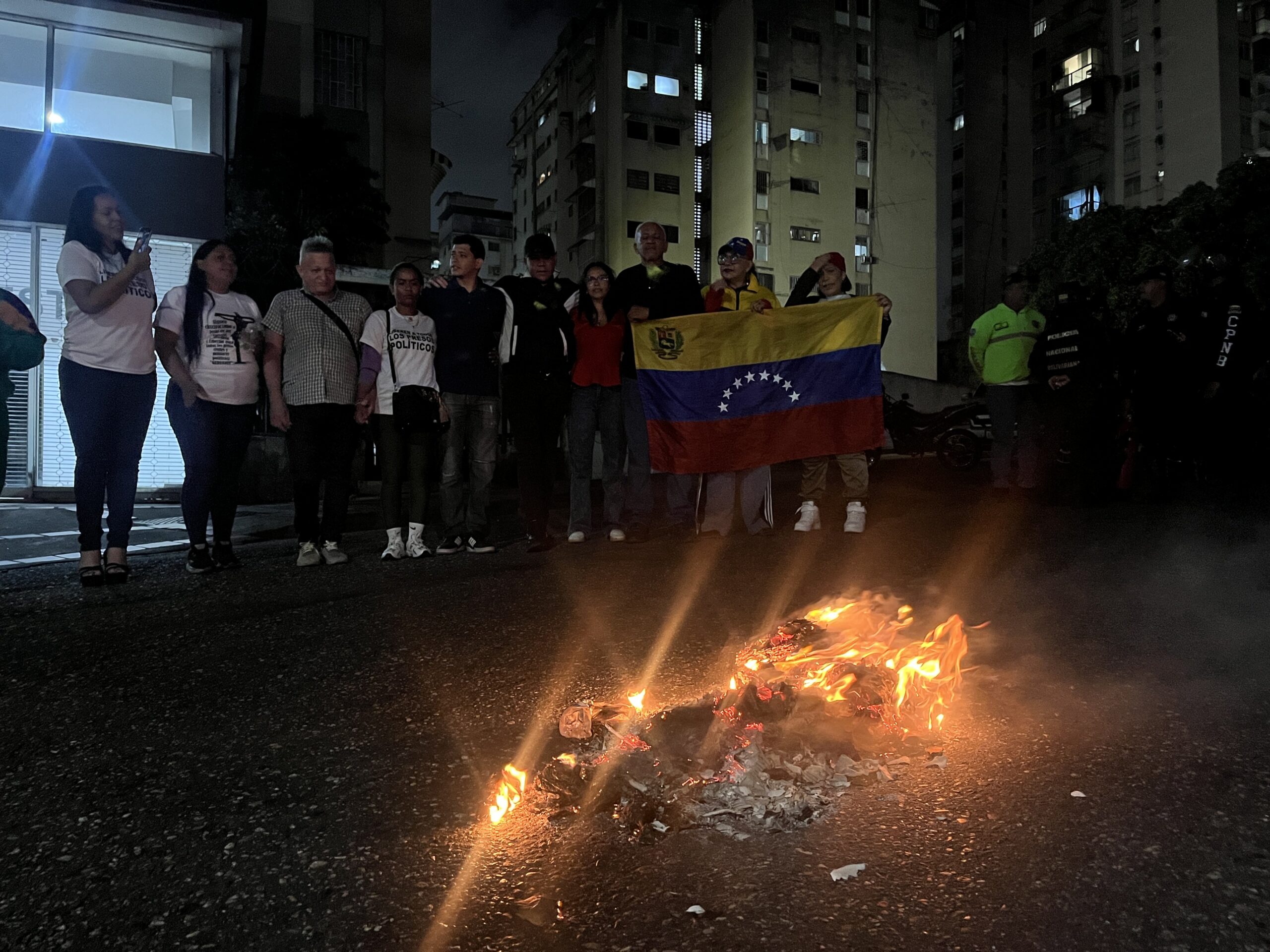
The pilgrimage to the seven churches ended at the Metropolitan Cathedral of Caracas, but the protests by the families of imprisoned and missing persons continue through prayer, vigils, or the burning of an effigy of Judas in front of El Helicoide.
Many Judases to burn
The burning of Judas, the ancient tradition that closes Holy Week in Venezuela, always attracts media attention because it can be a symptom of a community’s mood, or of political manipulation: the selection of the traitor of the year, who is dragged and vilified before being consigned to the flames. Throughout the country, Judas has different names: injustice, indifference, the neighbor who owes money to the whole neighborhood, the head of the commune who reported students to the police.
But every protest still represents a risk in Venezuela. Rojas—who two days earlier had joined the pilgrimage of the seven churches—was forced to suspend the burning of Judas in La Candelaria. He said that criminalizing a cultural act for fear of criticism only reaffirms the dictatorship’s continued rule in Venezuela. “Only Nicolás Maduro’s face changed to Delcy Rodríguez’s,” he said.
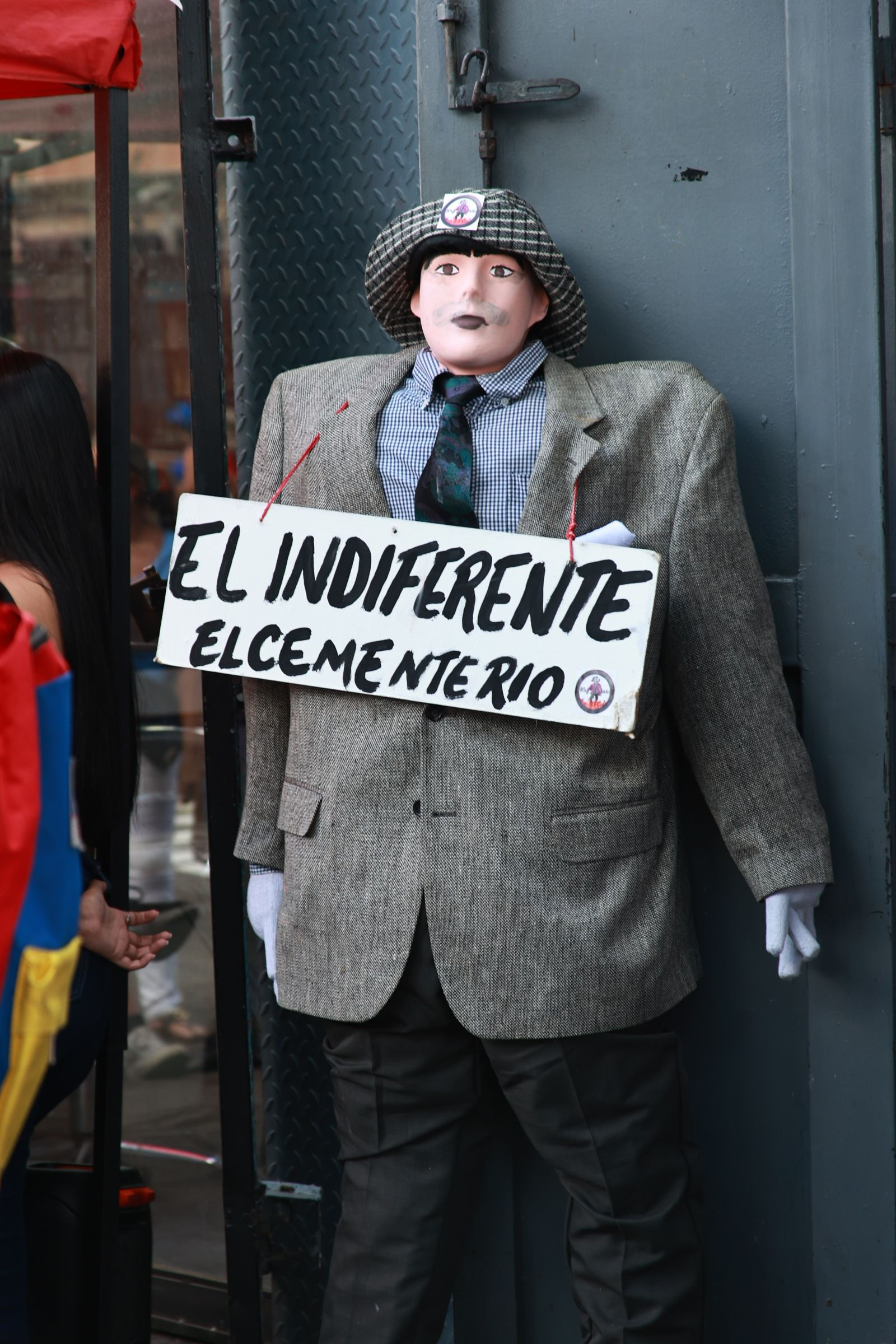
In the southwest, in the El Cementerio neighborhood, the burning of Judas has been a tradition for 85 years. The Loaiza family, who claim to have founded the tradition in this area, organizes the burning in conjunction with the Caracas mayor’s office. Last year, Judas was “The Unjust One,” this year he was called “The Indifferent One.” The effigy had been dressed in a suit and tie, with a hat that made him resemble José Gregorio Hernández, and a striking mustache.
In their public statement through an already overloaded megaphone, they mention the community’s water problem. “But we can’t talk about politics!”
The afternoon was passing peacefully. Some were getting ready to play baseball with a rubber ball, children were flying their kites, and neighbors were gathering in front of the stage that the Santa Rosalía parish had set up. When the moment of the burning arrived, amidst the music and whistles, a man raised his voice to demand that Judas’s mustache be removed. “That mustache makes him look like Maduro,” he complained. After a few minutes, the Judas of El Cementerio no longer had a mustache.

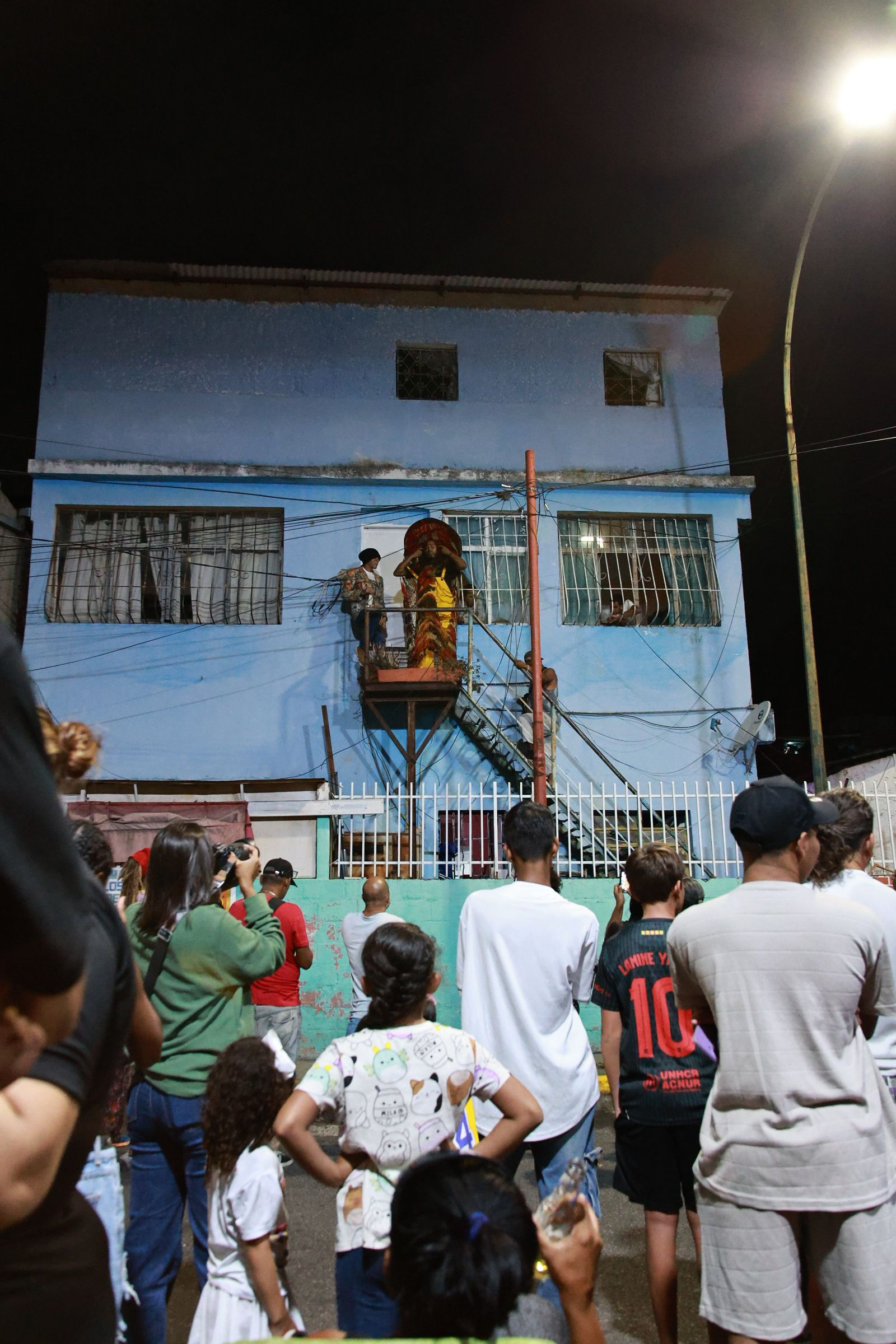
Later, to the north in El Pedregal, the palm growers of Chacao gathered amid laughter and Anís Cartujo bottles to create their own Judas effigy: one of their neighbors. Drums beat as people gathered, beer and rum in hand. As the sun set and night fell, one of the attendees leaned out of a window to recite Judas’s will, but not before thanking—amid laughter and jeers—the Chacao police, who were present at the main event in El Pedregal. “Suck-up!” several people shouted from the street. “We can’t talk about politics!” the man shouts back. In their public statement through an already overloaded megaphone, they mention the community’s water problem. “But we can’t talk about politics!” he shouts again amidst laughter.
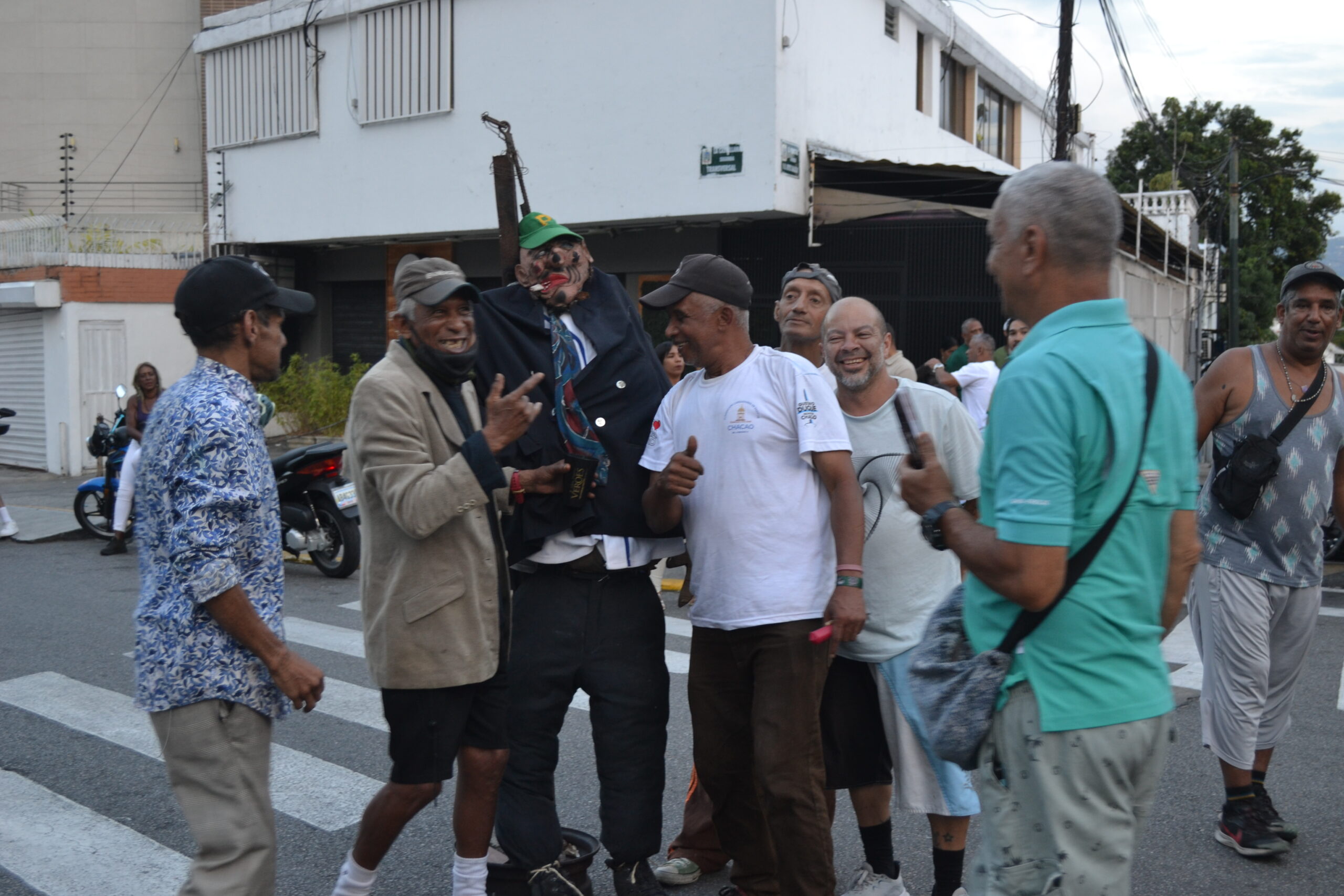
“We’re already in a democracy,” two people repeatedly replied from the street, and for a moment, everything falls silent. Are we truly in a democracy? Not yet. Do we feel closer to democracy than before? Undoubtedly. Shouting that in front of the police gave them a breath of freedom. And with a lighter and gasoline, they burned the Judas effigy in El Pedregal and the Indifferent Man without a mustache in the Cemetery. But they also burned Injustice in front of El Helicoide, where it was consumed by the prayers of all the mothers of political prisoners, their friends, and some of the survivors of the repression that subjugated the country but did not completely extinguish the torches.
Caracas Chronicles is 100% reader-supported.
We’ve been able to hang on for 22 years in one of the craziest media landscapes in the world. We’ve seen different media outlets in Venezuela (and abroad) closing shop, something we’re looking to avoid at all costs. Your collaboration goes a long way in helping us weather the storm.
Donate